Food Culture
Washoku
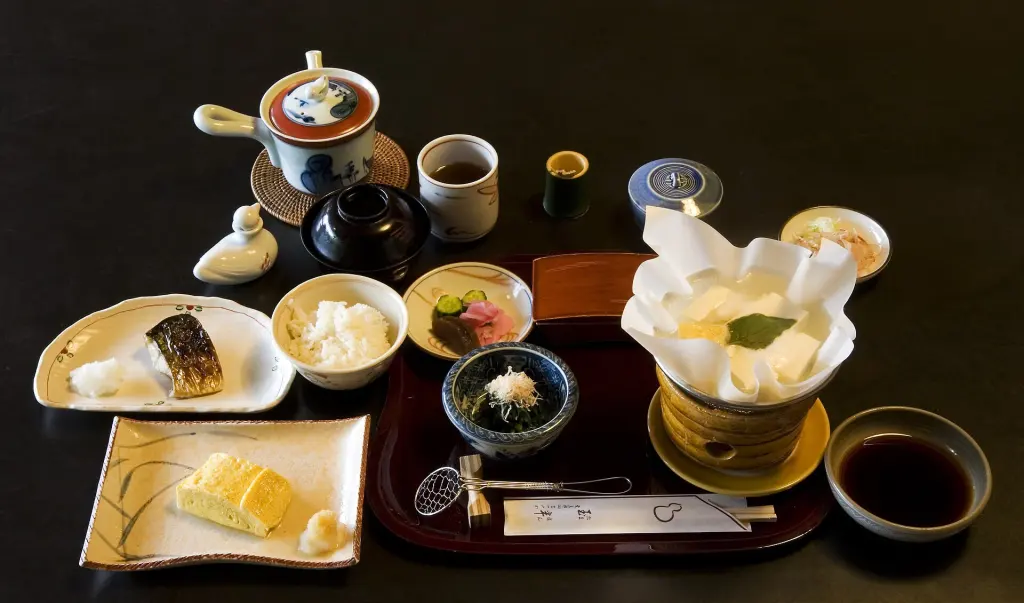
Image: MichaelMaggs / Wikimedia Commons · Creative Commons Attribution-ShareAlike 3.0
Food culture · An overview
Understand the meal, then the culture.
Washoku (和食) includes knowledge of selecting, preparing, presenting and sharing food. Meals connect ingredients and techniques with seasons, places and occasions. These connections are recurring patterns, not a single menu followed throughout Japan.
How a meal connects to its setting
The meal
Rice, soup and accompanying dishes organise relationships between foods; the number of dishes varies.
Taste & technique
Extraction, cutting and cooking shape flavour and texture. Fermentation provides another set of transformations.
What is available?
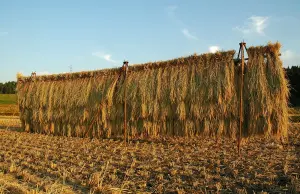
Climate, harvests, fisheries, storage and distribution affect ingredients, presentation and regional differences.
Sharing & transmission
Daily meals and annual observances connect food with households, producers, communities and changing knowledge.
Read these as interacting relationships: a season can change the ingredients, an occasion can change the arrangement, and a local technique can change what keeps or travels. Washoku includes these decisions as well as the finished dishes.
At a glance
- Name
- 和食 · Washoku
- Scope
- Food, skills, social practice and transmission
- Meal model
- Rice, soup and accompanying dishes, with wide variation
- Heritage
- UNESCO inscription in 2013, notably concerning New Year practice
Name and scope
Wa means Japanese and shoku concerns food or eating. In ordinary use, washoku may contrast with Western-style yoshoku or Chinese-derived chuka ryori. As a heritage term, it draws attention to practices linking food production, preparation, presentation, eating, and social memory. The boundaries remain flexible, so a dish does not become culturally uniform merely because it is labelled washoku.
A meal is an arrangement
A familiar model places cooked rice with soup and one or more side dishes. Ichiju sansai, one soup and three dishes, is often used to explain balance and variety, but it is an organising model rather than a description of every household meal. Noodles, one-bowl dishes, bread, curry, and mixed cuisines are also ordinary parts of life in Japan.
This is a conceptual grouping, not a placement guide or a rule for every meal. Pickles may accompany the set; simpler meals and other formats are also common.
Different processes build different qualities
| Process | What changes? | Explore |
|---|---|---|
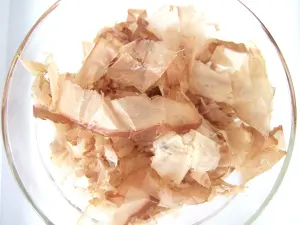
| Extraction | Soluble flavour compounds enter water to form a cooking stock. | Dashi · Kombu · Katsuobushi |
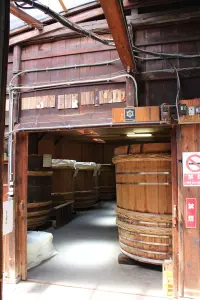
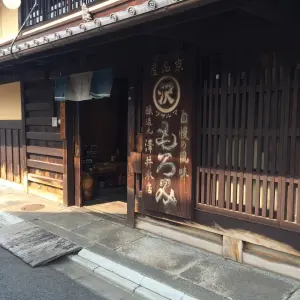
| Fermentation & enzyme action | Raw materials are transformed into seasonings, drinks and accompaniments. | Japanese fermentation · Miso · Soy sauce |
| Seasoning & cooking | Salt, sweetness, aroma, heat and texture are balanced for a particular dish. | Mirin · Umami |
Dashi, glutamate-rich kombu, inosinate-rich katsuobushi, and seasonings such as mirin can build umami and balance. They are distinct foundations rather than ingredients required in every washoku dish.
Japanese fermentation supplies many of washoku’s foundational seasonings and accompaniments, but it is not one technique: kōji moulds, yeasts, bacteria, salt, ageing, and regional production systems play different roles in different foods.
Cutting, simmering, grilling, steaming, frying, dressing, pickling, and fermentation appear in many combinations. Dashi, miso, and soy sauce build savoury depth, but ingredients and seasoning differ by dish and region. Visual arrangement matters, yet simple home cooking is as relevant to food culture as formal restaurant presentation.
Seasonality and locality
Seasonal ingredients, tableware, colour, and references to weather or annual events can shape a meal. Local climates and economies produced distinct preserved foods, vegetables, fish dishes, noodles, sweets, and fermentation traditions. National distribution and media have spread some regional foods widely, while many remain linked to particular communities.
See the relationships in a region
Hokkaido Food Culture follows the same questions through coastal resources, agriculture, Indigenous foodways, settlement and urban cooking. It shows why a regional cuisine cannot be explained by a list of famous dishes.
Historical formation
The history of Japanese noodles shows how continental techniques, regional crops, temple practices, urban commerce, and modern industry became part of food culture in Japan over different periods.
Japanese foodways developed through wet-rice agriculture, fishing, gathering, trade, Buddhist restrictions, court and warrior banquets, temple cooking, urban markets, tea practice, and contact with food traditions from elsewhere in Asia and beyond. Edo-period cities supported specialised restaurants and prepared foods; modern industry, refrigeration, school meals, migration, and global exchange further changed everyday diets.
Ritual and transmission
Osechi ryōri shows how washoku is transmitted through an annual event: regional dishes, auspicious interpretations, household recipes, and commercial sets all organise the New Year meal.
New Year foods, rice cakes, festival dishes, memorial meals, and seasonal sweets connect eating with household and community calendars. Knowledge passes through families, schools, professional kitchens, producers, publications, and media. Transmission is active selection and adaptation, not the exact repetition of an unchanging national cuisine.
Heritage and modern life
Heritage recognition has encouraged documentation and education while raising questions about who represents washoku. Contemporary diets reflect time constraints, changing households, food imports, health concerns, and environmental pressures. A balanced account therefore treats washoku as a plural, changing cultural field rather than evidence that all Japanese people eat alike.
Sources
Last updated: