
Longevity Culture in Japan
Longevity culture in Japan includes named age celebrations, auspicious imagery, family and community recognition, and public observances of respect for older people.
Longevity culture in Japan includes named age celebrations, auspicious imagery, family and community recognition, and public observances of respect for older people.
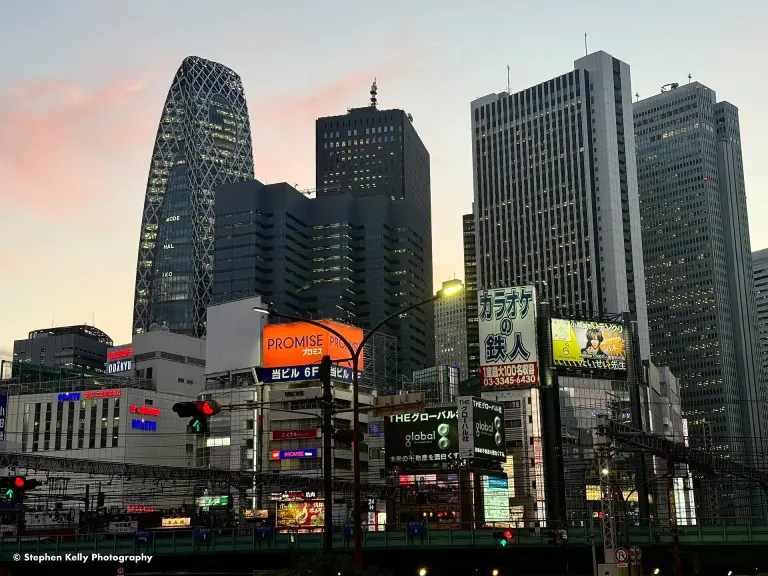
A cultural and historical guide to Shinjuku as a Tokyo special ward, transport center, business district, entertainment landscape, and diverse residential city.

An overview of Japan’s railways, from the first line of 1872 and the Shinkansen to commuter networks, private operators, and station-centered urban life.
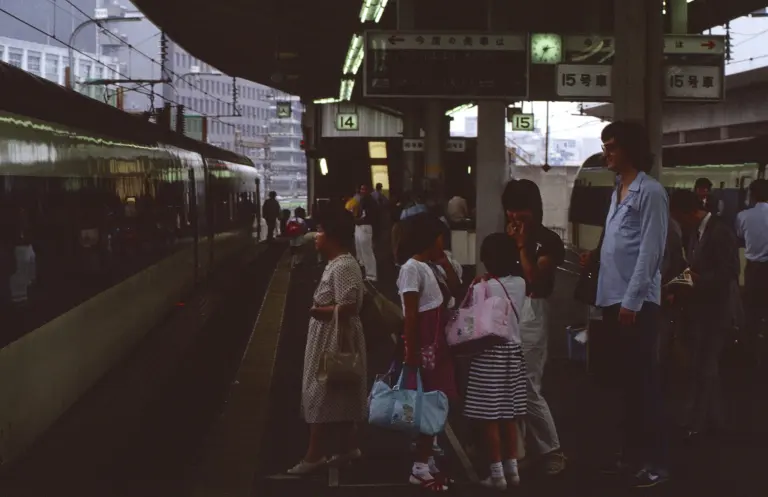
Silver Week is an informal name for a long September holiday sequence created when Japan’s movable and equinox holidays align with weekends.
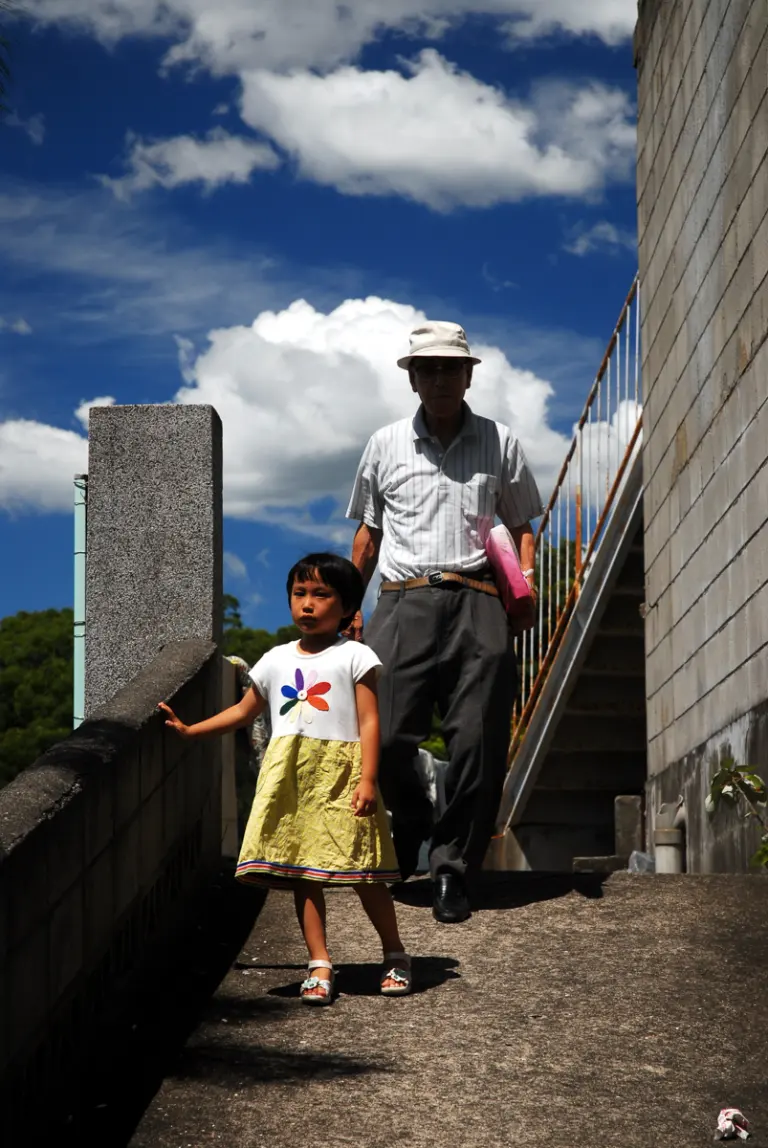
Keirō no Hi is Japan’s national holiday for respecting older people and celebrating longevity, observed on the third Monday of September.
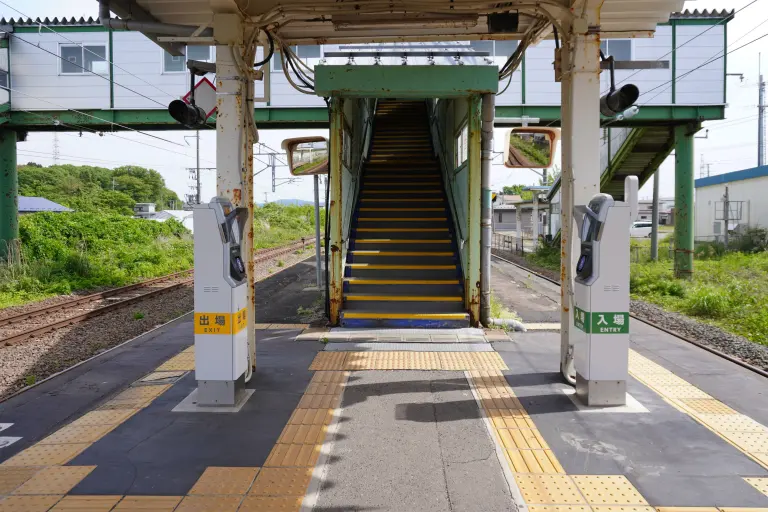
Suica is JR East’s rechargeable contactless IC system for fares, commuter passes, and electronic money, launched in 2001 and expanded through mobile and interoperable services.
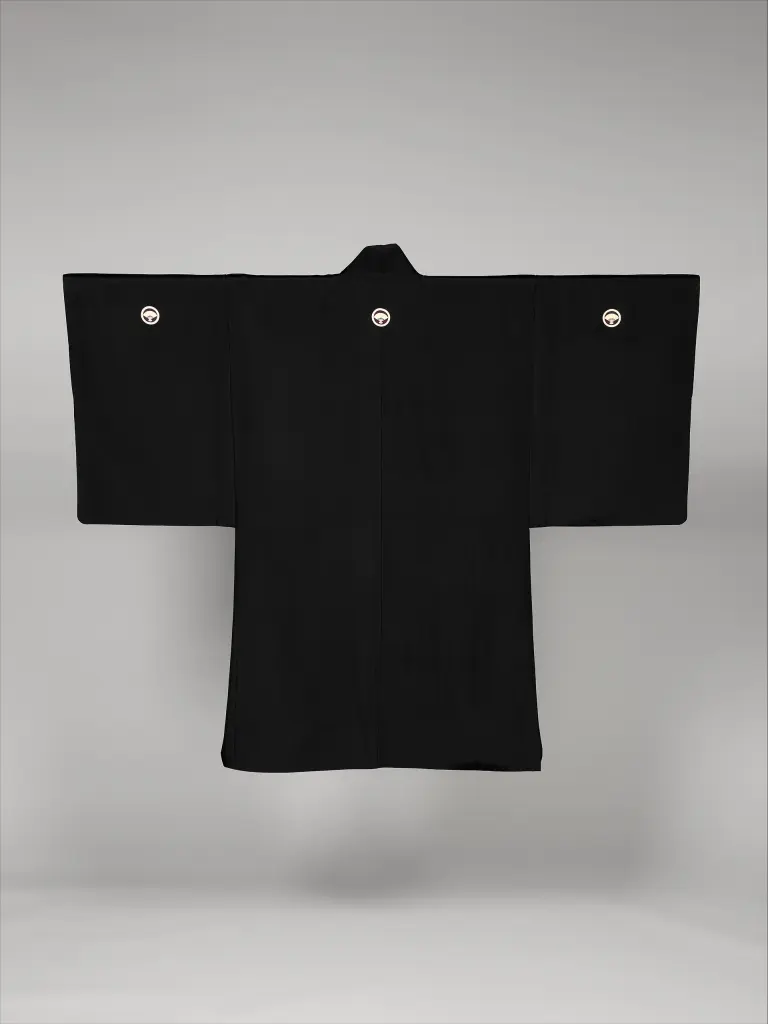
Haori are hip- or thigh-length Japanese jackets worn over kimono, ranging from crested formal menswear to patterned fashion and performance garments.
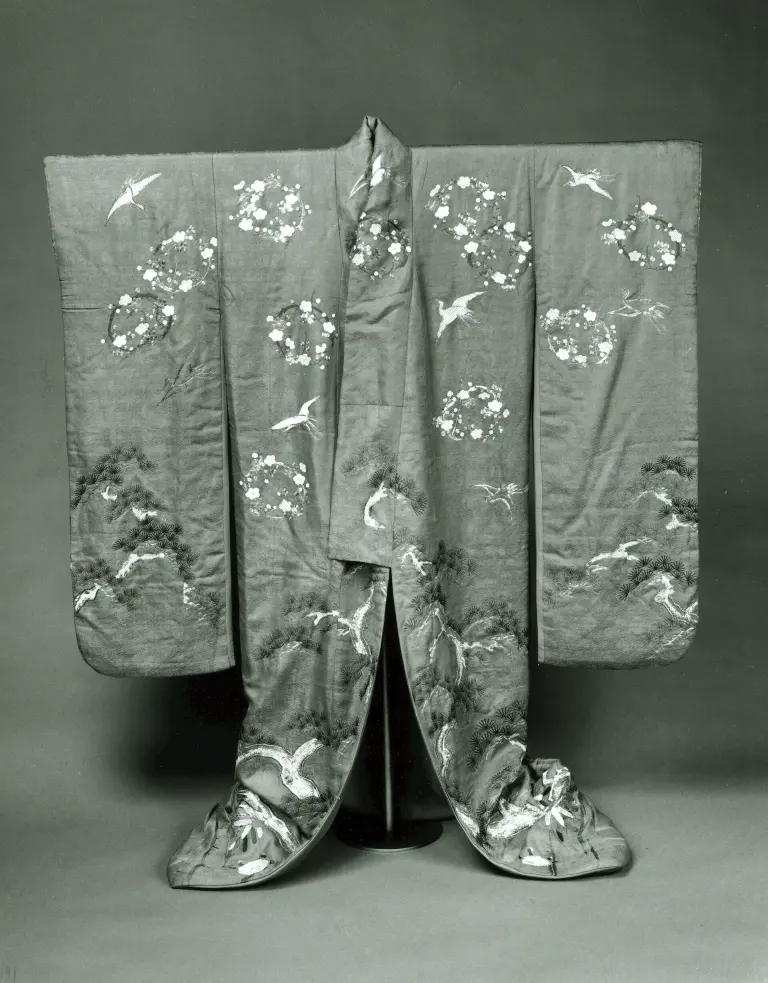
Furisode are long-sleeved kimono whose materials, sleeve length, and coordination express occasion, age convention, and changing ideas of formality.
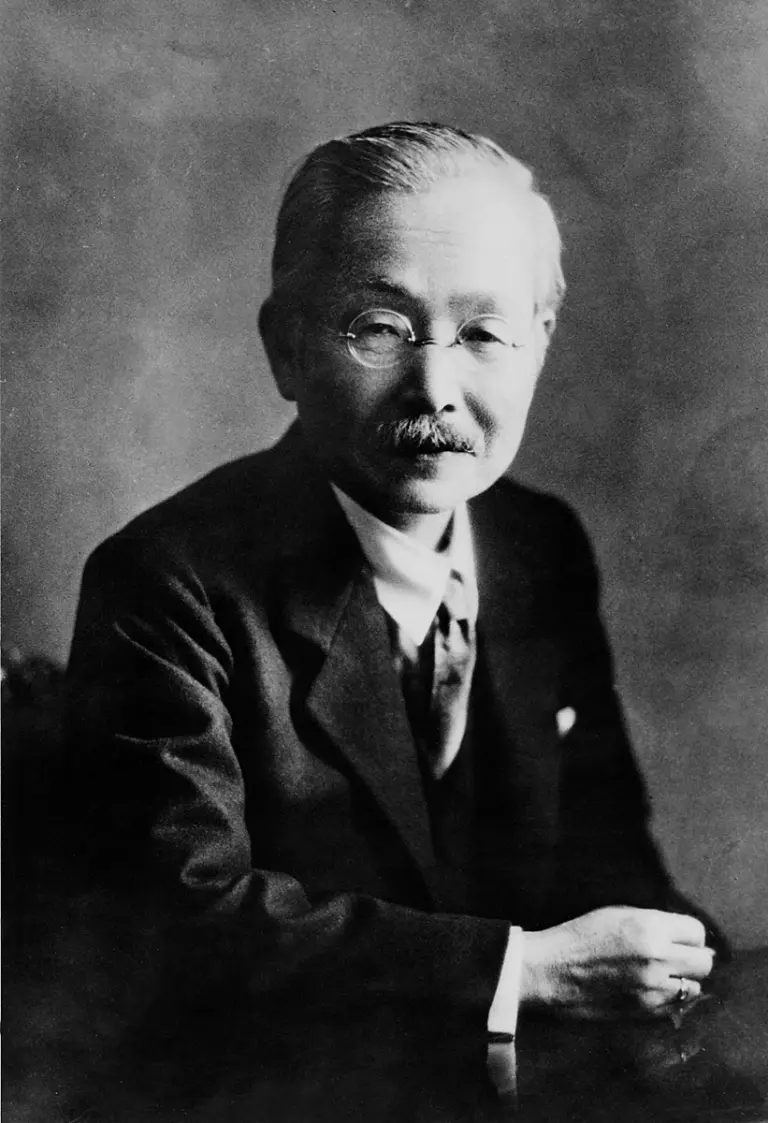
Umami is a basic taste elicited chiefly by glutamate and enhanced by nucleotides such as inosinate and guanylate in many foods and stocks.
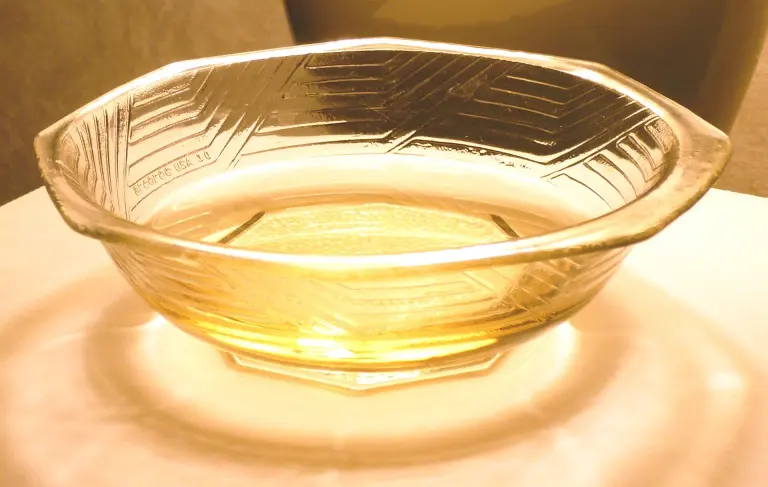
Mirin is a sweet alcoholic Japanese seasoning whose main form, hon mirin, is made from glutinous rice, rice kōji, and shōchū or alcohol.