
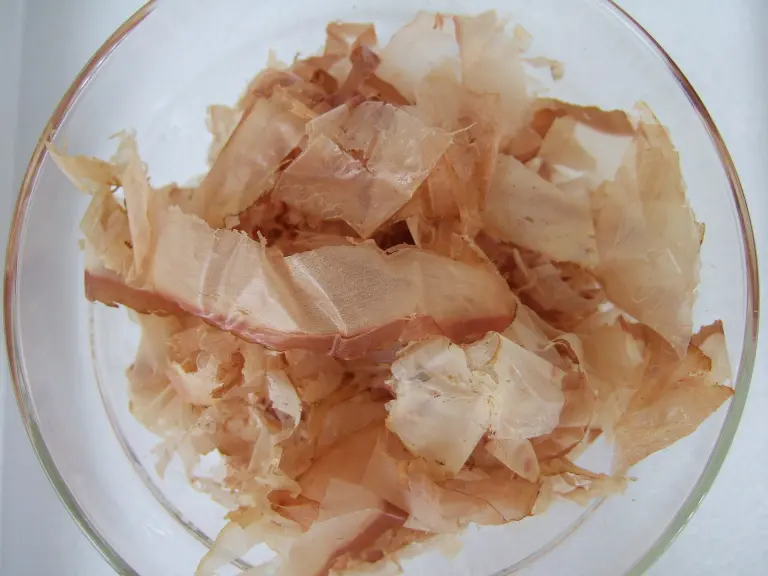
Katsuobushi
Katsuobushi is preserved skipjack tuna prepared by cooking, smoking, drying, and sometimes repeated mold-assisted maturation before shaving for food and dashi.
Katsuobushi is preserved skipjack tuna prepared by cooking, smoking, drying, and sometimes repeated mold-assisted maturation before shaving for food and dashi.
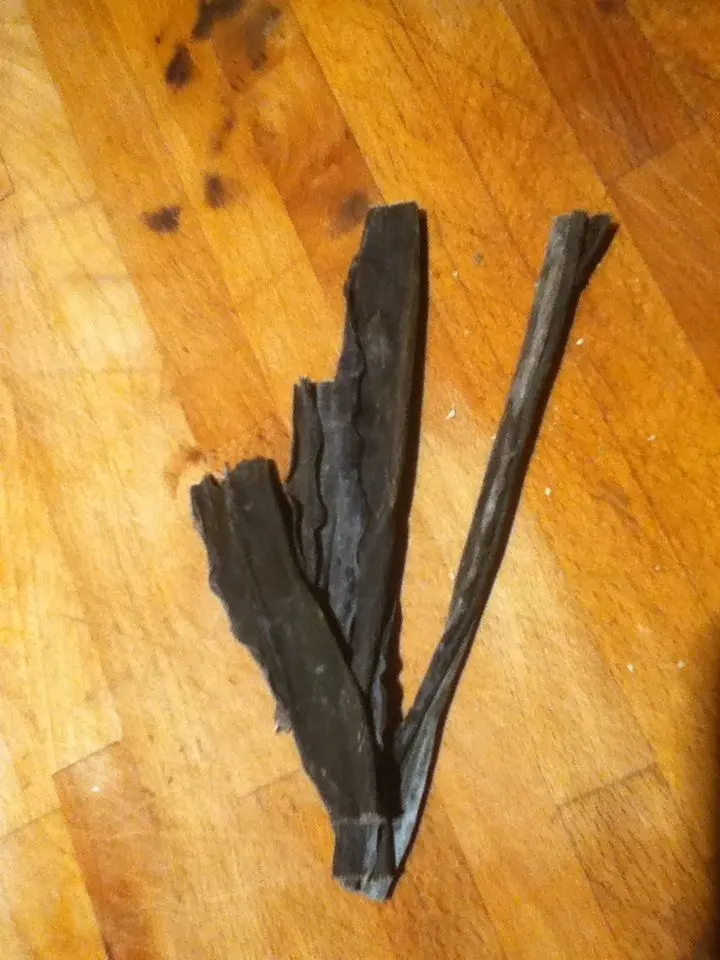
Kombu is edible kelp processed for dashi, simmered dishes, festive foods, and regional products, especially from the cold waters around Hokkaido.
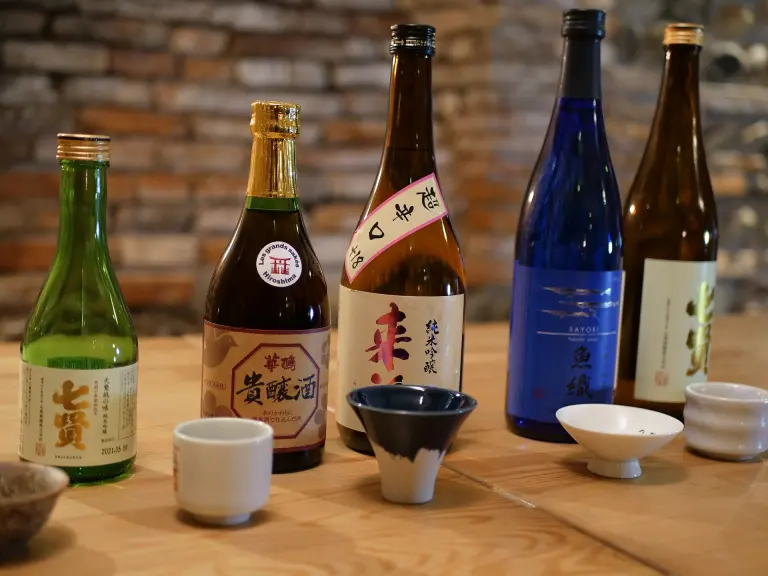
Sake is a Japanese alcoholic drink brewed mainly from rice, rice kōji, water, and yeast through multiple parallel fermentation.
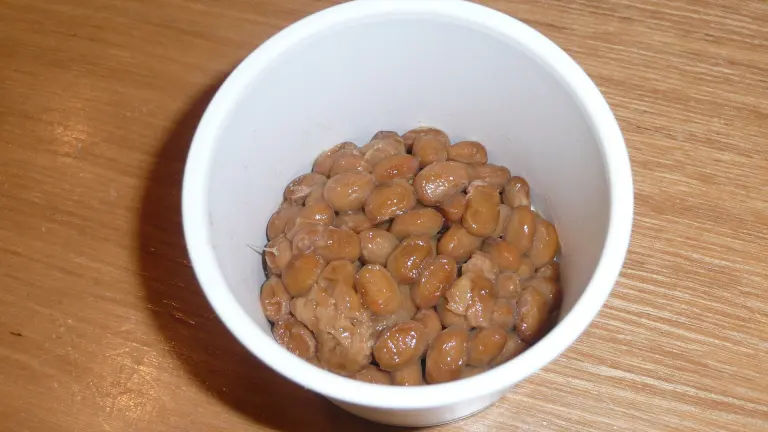
Nattō is a Japanese food made by fermenting cooked soybeans with Bacillus subtilis var. natto, producing a distinctive aroma and sticky texture.
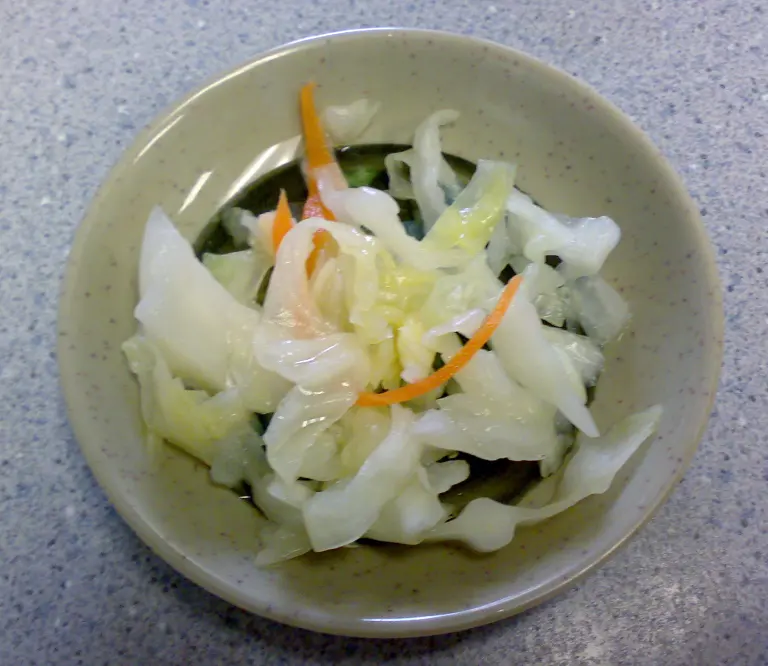
Tsukemono are Japanese pickled foods made with salt, rice bran, vinegar, miso, sake lees, or other beds; only some types are fermented.
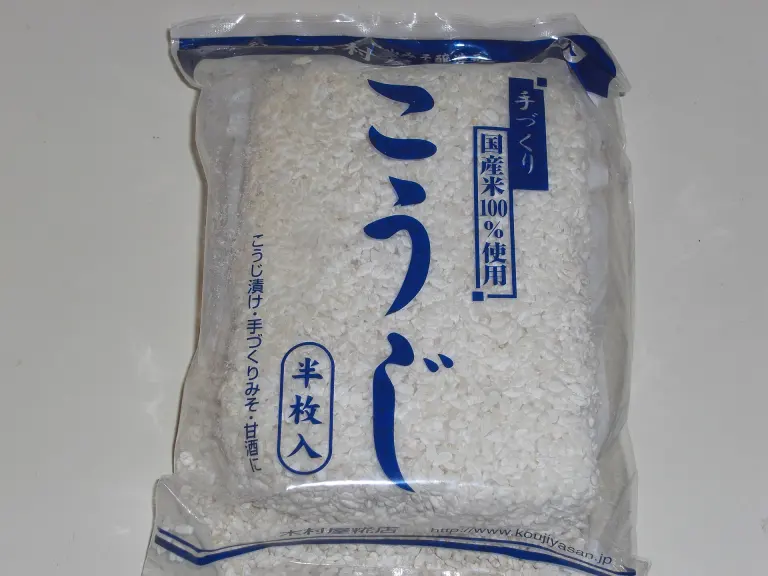
Kōji is grain or soybeans cultivated with useful molds whose enzymes support the production of sake, miso, soy sauce, vinegar, and other foods.
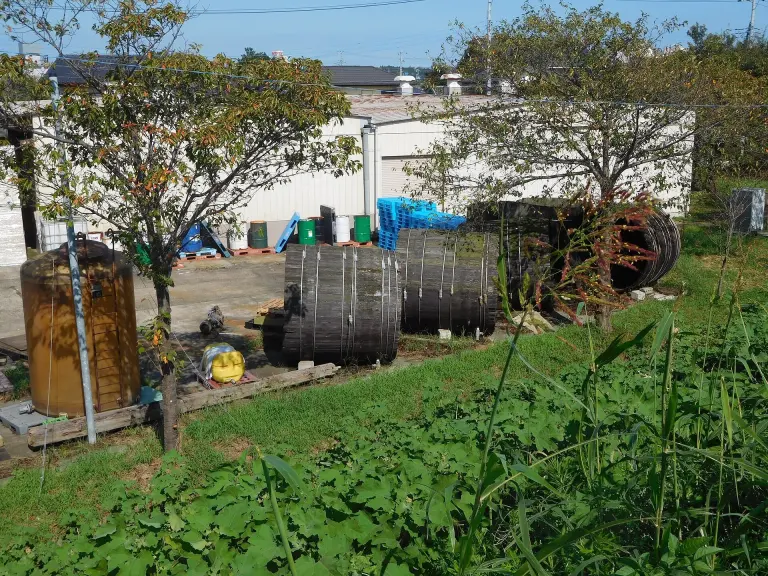
Japanese fermentation uses kōji, yeasts, bacteria, salt, and time to transform grains, soybeans, vegetables, fish, and other ingredients.

A tokonoma is a raised or defined alcove in a formal Japanese room for displaying a scroll, flowers, or selected objects.
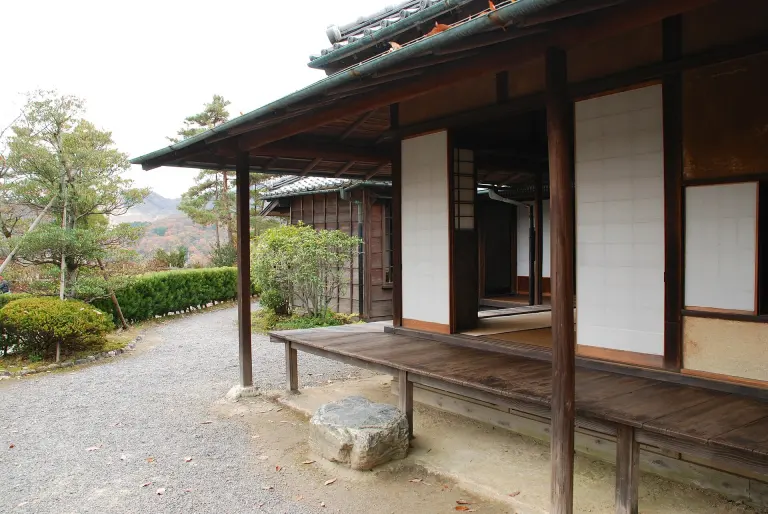
An engawa is a wooden edge or veranda beside interior rooms, used for circulation and as an adjustable boundary with outdoors.
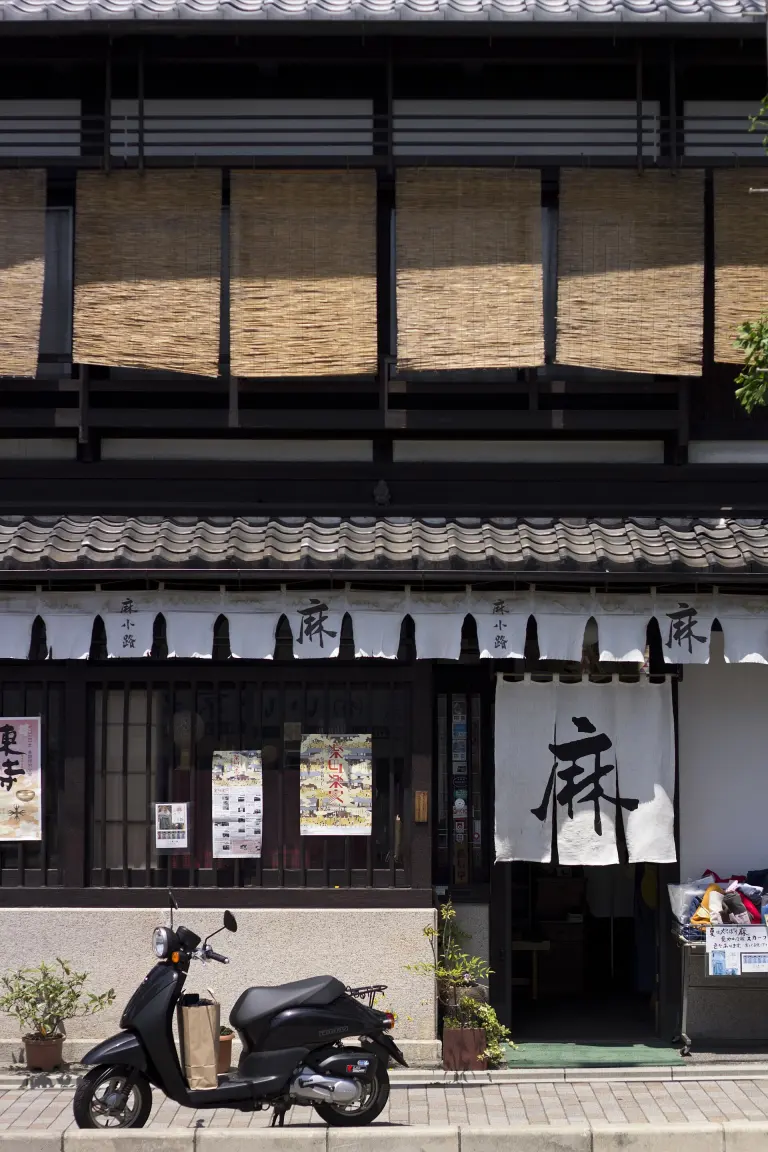
Machiya are urban vernacular houses that historically combined a street-facing business with domestic, work, storage, and courtyard spaces.