
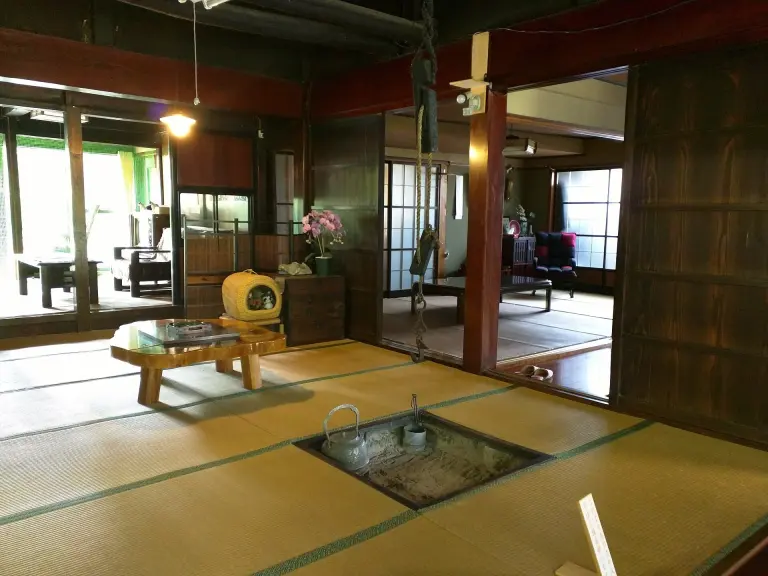
Minka
Minka are Japan’s vernacular dwellings, shaped by regional materials, climate, livelihood, household organization, and gradual historical change.
Minka are Japan’s vernacular dwellings, shaped by regional materials, climate, livelihood, household organization, and gradual historical change.
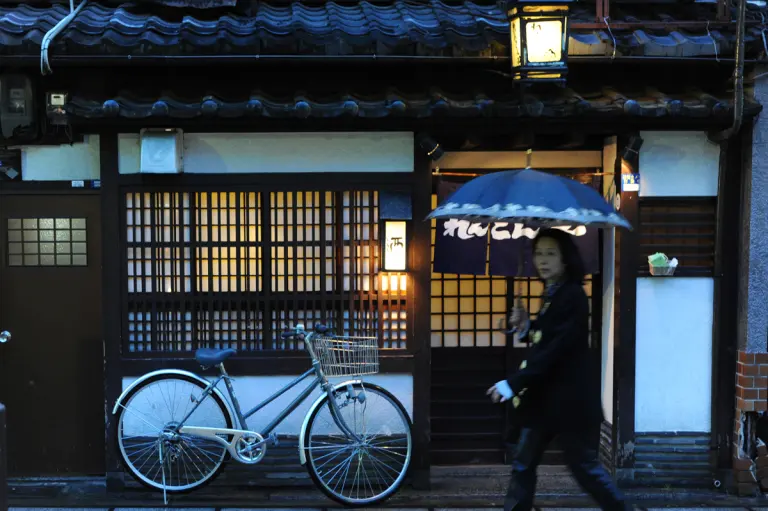
An overview of architecture in Japan, from early dwellings and religious buildings to flexible interiors, modern design, and preservation.
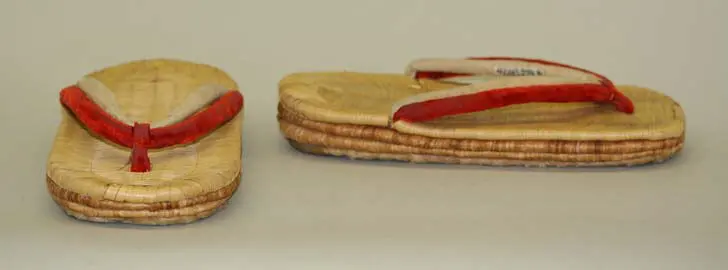
Zōri are flat Japanese thong sandals whose materials and form range from woven-straw workwear to formal footwear for kimono ensembles.
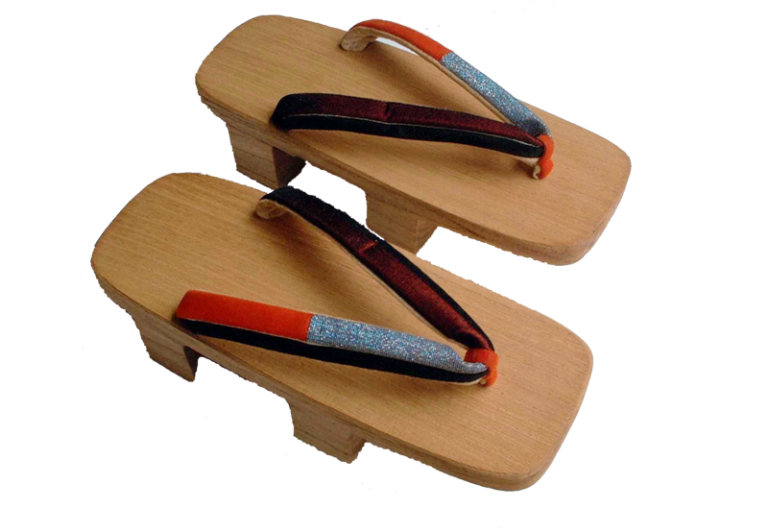
Geta are Japanese wooden footwear with a raised sole and thong, historically used in many forms for weather, work, dress, and leisure.
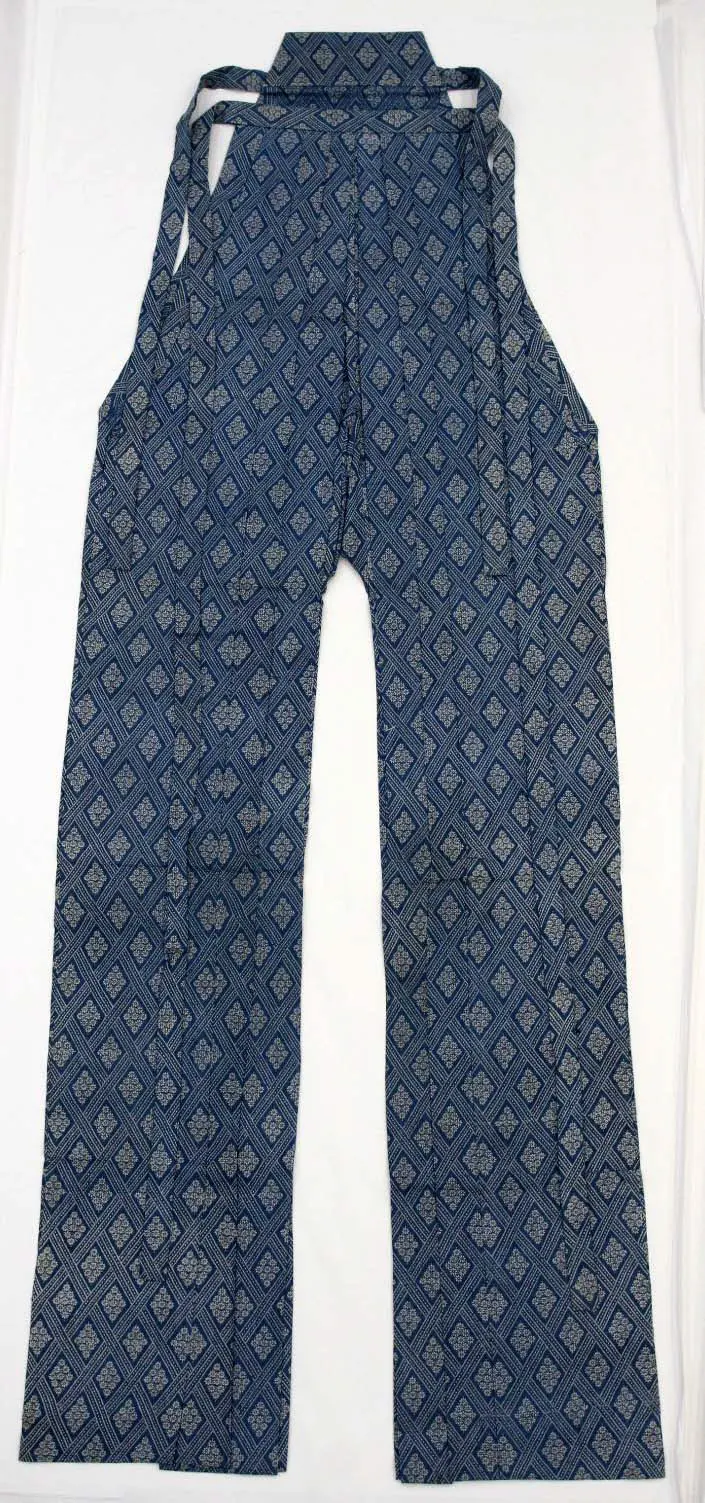
Hakama are pleated lower garments worn over kimono in court, warrior, ceremonial, theatrical, educational, religious, and martial-arts settings.
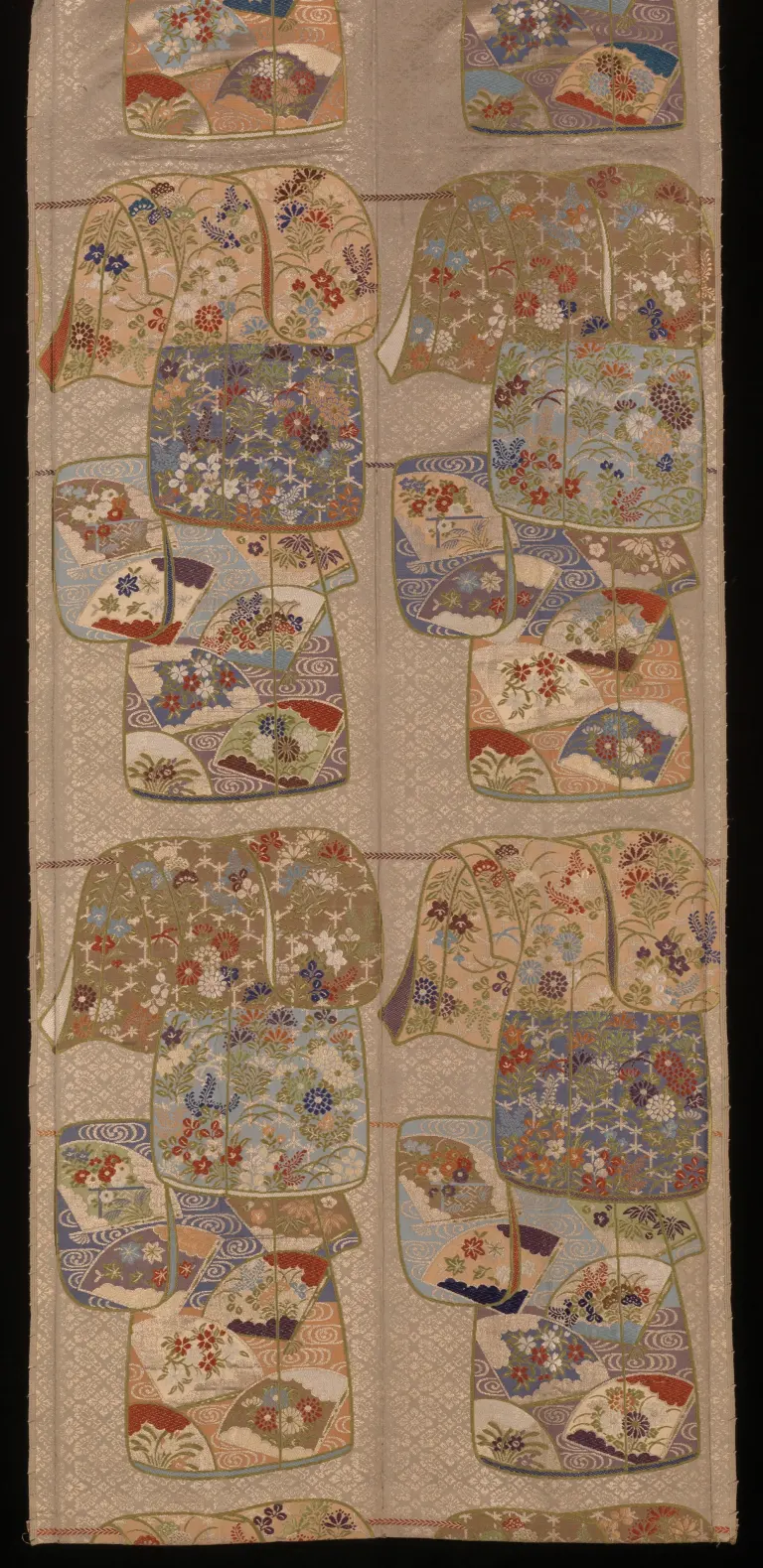
An obi is a Japanese sash whose dimensions, textile, knot, and accessories help structure kimono dress and express occasion and formality.
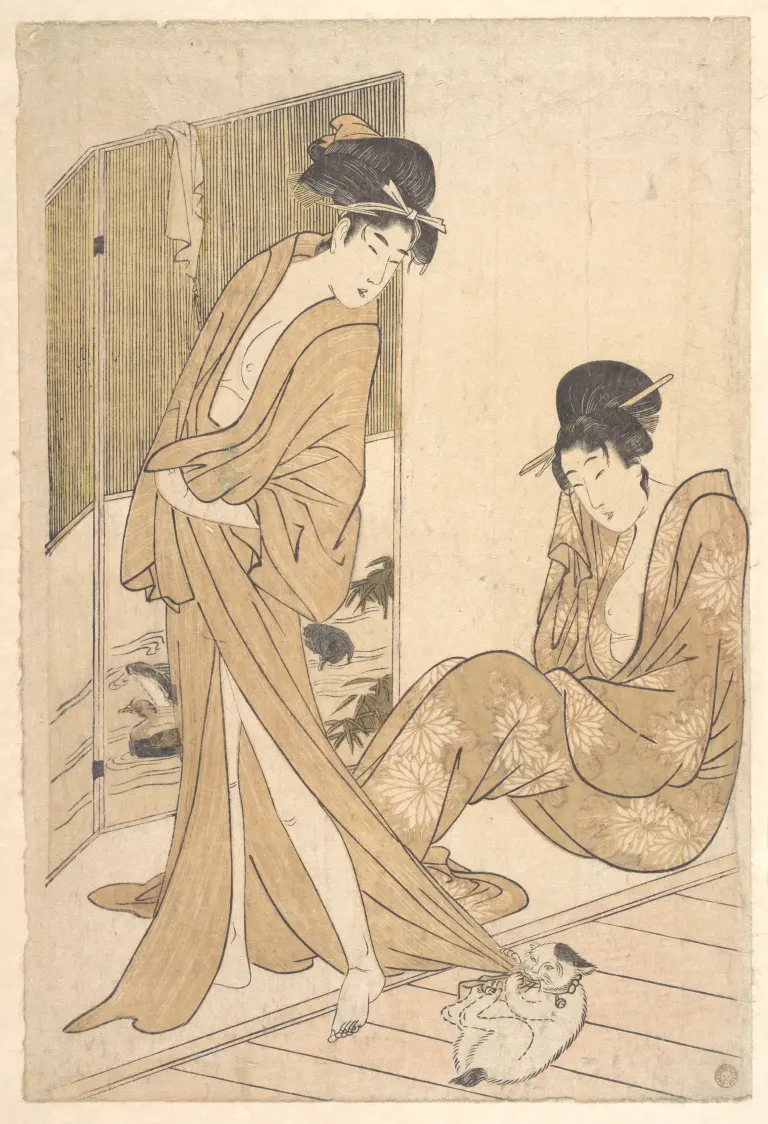
Yukata are unlined casual kimono associated with bathing, inns, summer festivals, fireworks, dance, and warm-weather leisure.
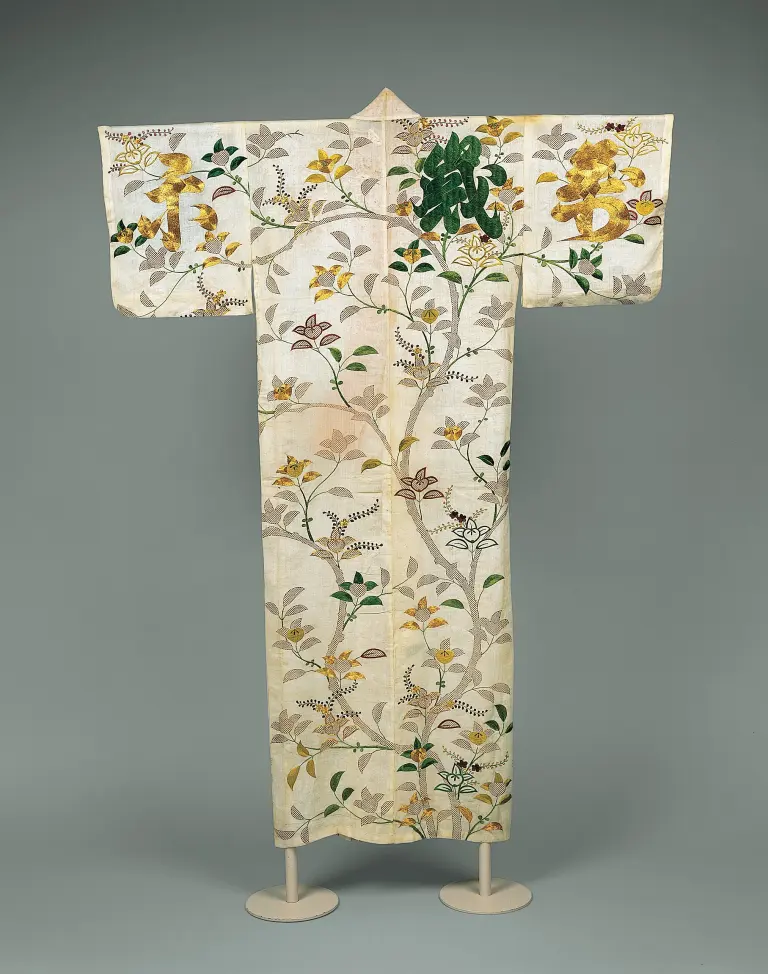
Kimono are straight-seamed wrap garments whose materials, decoration, layering, and accessories communicate season, occasion, age, taste, and formality.
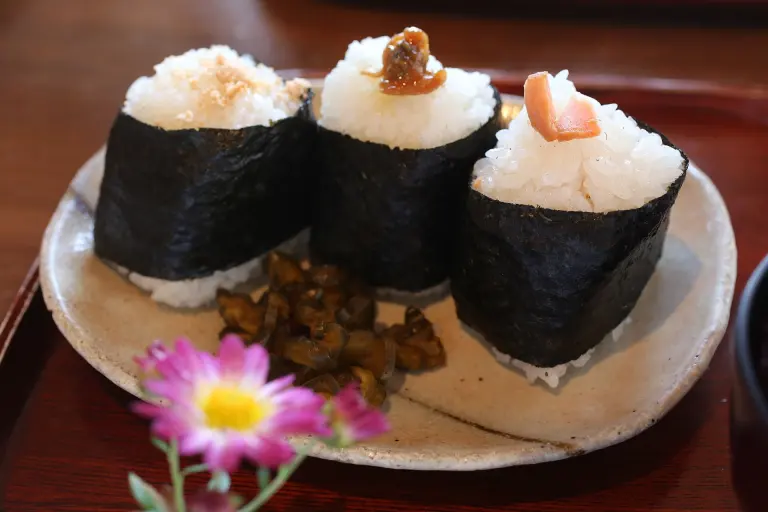
Onigiri are portable portions of cooked Japanese rice, shaped by hand or machine and often filled, seasoned, grilled, or wrapped in nori.
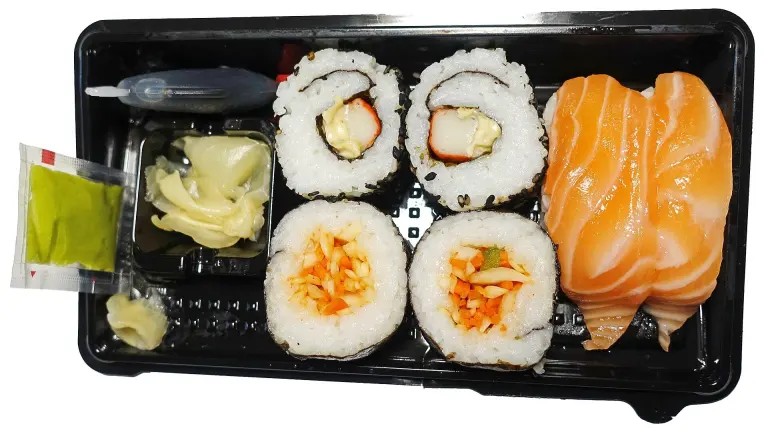
Sushi is a family of foods organized around seasoned or fermented rice traditions; it is not a synonym for raw fish or nigiri alone.