Food Culture
Sushi
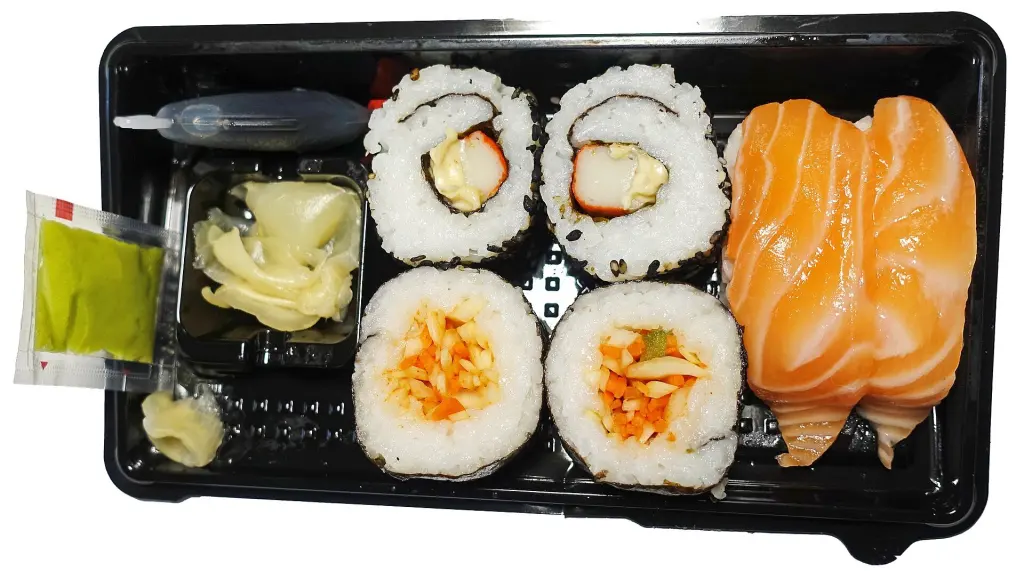
Image: Tiia Monto / Wikimedia Commons · CC BY-SA 3.0
Sushi is a broad family of foods whose defining histories centre on sourness, preservation, and rice—not raw fish alone. Early nare-zushi preserved salted fish through lactic fermentation with cooked rice, which was originally discarded. Later forms shortened fermentation and eventually seasoned edible rice with vinegar. During the Edo period, hand-formed nigiri-zushi developed as one prominent urban style, alongside pressed, rolled, scattered, stuffed, and regional forms. Toppings may be raw, cured, cooked, or vegetable-based. Refrigeration, transport, restaurant systems, conveyor belts, and international adaptation transformed the range and availability of sushi. Sashimi is sliced raw seafood without sushi rice and is therefore a separate category even when served at the same meal.
Overview
| Japanese | Sushi (すし・寿司・鮨・鮓) |
|---|---|
| Defining element | Sushi rice or a fermented rice-and-fish tradition |
| Early form | Nare-zushi fermented for preservation |
| Major modern forms | Nigiri, maki, chirashi, inari, and oshizushi |
| Edo development | Nigiri-zushi in the early nineteenth century |
| Not synonymous with | Raw fish or sashimi |
Name and definition
Sushi is written with several character combinations and pronounced zushi in many compounds. Modern non-fermented sushi uses cooked rice seasoned with vinegar, sugar, and salt, combined with other ingredients. Historical fermented sushi makes the boundary more complex. Raw fish is neither necessary nor sufficient: without sushi rice or a sushi preservation tradition, sliced raw fish is sashimi.
Fermented origins
Early nare-zushi preserved salted freshwater fish through lactic fermentation packed with cooked rice. In fully fermented forms the rice broke down and was not the main food. Related preservation practices existed beyond Japan, and a single national invention claim is inappropriate. Funa-zushi and other regional products preserve evidence of this long history while continuing as foods in their own right.
From fermentation to vinegar
Over time, partially fermented forms allowed rice and fish to be eaten together. The use of vinegar reproduced desirable sourness without waiting for long fermentation, enabling haya-zushi, or “fast sushi.” This was not a single replacement everywhere: fermented, pressed, seasoned-rice, and regional forms overlapped and still coexist.
Nigiri in Edo
The prototype of modern nigiri appeared in Edo in the early nineteenth century as hand-formed vinegared rice with prepared toppings. Fish was often salted, marinated, simmered, or otherwise treated because refrigeration was unavailable. Street stalls made it a quick urban food. Attributing all modern sushi to one inventor overstates evidence, even though Hanaya Yohei is strongly associated with early nigiri.
Major forms
Nigiri places a topping on hand-formed rice; maki rolls ingredients and rice, often with nori; chirashi distributes ingredients over rice; inari fills seasoned fried-tofu pouches; oshizushi presses rice and toppings in a mould. Temaki is hand-rolled. Regional fermented and pressed forms do not fit a simple progression toward nigiri and should not be treated as obsolete ancestors.
Rice, toppings, and seasoning
Short-grain rice is cooked and seasoned to balance acidity, sweetness, salt, texture, and temperature. Toppings may include fish, shellfish, egg, vegetables, tofu, or meat and may be raw, cured, cooked, or pickled. Soy sauce, wasabi, and pickled ginger have specific serving roles; covering every piece heavily can overwhelm the intended seasoning.
Restaurants, retail, and technology
Postwar refrigeration expanded the range and distribution of raw toppings. Counter restaurants, takeaway shops, supermarkets, delivery, and kaiten-zushi conveyor-belt systems serve different price points and occasions. Supply chains, freezing technology, aquaculture, and food-safety regulation shape what appears traditional at the counter. Prestige sushi is only one part of this larger food system.
Global adaptation and safety
Sushi spread internationally through migration, restaurants, tourism, media, and changing access to seafood and Japanese ingredients. Local rolls and plant-based forms are adaptations, not evidence that one immutable original has been corrupted. Raw seafood requires appropriate sourcing, parasite controls, temperature management, hygiene, and attention to individual health advice; visual freshness alone cannot establish safety.
Sources
- Ministry of Agriculture, Forestry and Fisheries, Fermented Fishery Foods.
- Japan Foundation, I Love Sushi Traveling Exhibition.
- Japanese Society for Food and Life, The Evolution of Sushi and the Power of Vinegar.
- Kikkoman Food Forum, Sushi: The History.
- Japan National Tourism Organization, Sushi in Japan.
Last updated: