Food Culture
Bento
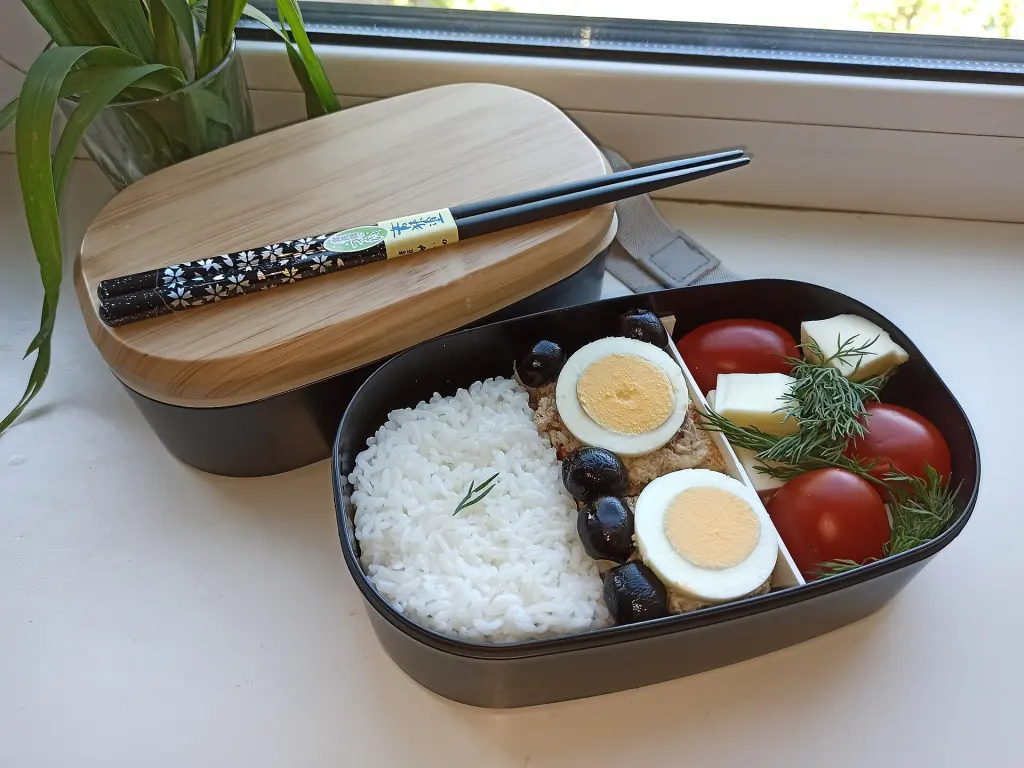
Image: Novoklimov / Wikimedia Commons · Creative Commons Attribution 4.0
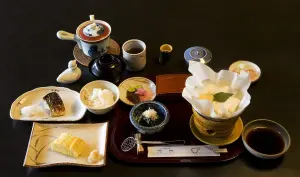
Bento (弁当) are prepared meals packed for one person or arranged in a divided container. The category includes home-made school and work lunches, convenience-store meals, station ekiben, theatre-associated makunouchi, restaurant Shōkadō boxes, picnic foods, and ceremonial sets. Rice is common but not mandatory, and there is no single rule governing colour, nutrition, or arrangement. The history of portable food in Japan extends far earlier than the modern word: travellers, farmers, hunters, and soldiers carried dried rice, rice balls, and other provisions. Early modern leisure and theatre encouraged elaborate boxes; railways created station specialities; modern retail, refrigeration, plastics, and microwaves widened the form again. Bento expresses convenience and presentation, but it also reflects labour, household expectations, regional marketing, food safety, and unequal access to time and ingredients.
Overview
| Japanese name | 弁当 |
|---|---|
| Romanization | Bentō or bento |
| Classification | Portable or boxed prepared meal |
| Common settings | Home, school, work, travel, theatre, retail, and restaurants |
| Well-known forms | Makunouchi, ekiben, Shōkadō, and kyaraben |
| Common container | Single or divided bento box |
Definition and range
A bento is defined more by portioning, portability, and presentation than by one recipe. It may be packed by a family member, assembled by the eater, sold by a specialist, or mass-produced. Boxes range from disposable trays to lacquered tiers and insulated containers.
Early portable food
Onigiri has long served as portable rice food and remains a common bento component, although the histories of rice parcels and compartmented meal boxes are not identical.
Historical accounts describe dried cooked rice and rice balls carried for travel, field work, hunting, and conflict. These foods demonstrate long portable-meal practices, but direct origin stories for the exact modern term are less certain. Bento developed through several settings rather than one moment of invention.
Edo-period leisure and theatre
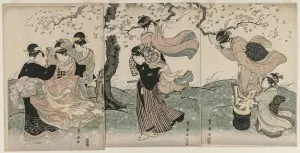
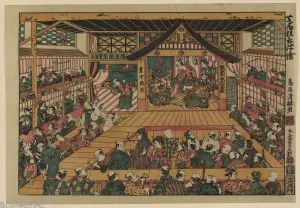
Urban excursions, hanami, and theatre encouraged colourful multi-item meals and purpose-made containers. Makunouchi became associated with food eaten during performance intervals. The name has continued even as retail versions and their contents changed.
Railways and ekiben
With modern rail travel, boxed meals sold at stations became ekiben. Competing claims surround the first sale, but the form clearly developed in the Meiji period. Producers use local ingredients, ceramics, wrapping, and route stories to turn a practical meal into regional tourism and collecting culture.
Home, school, and work
Home-made bento may communicate care, routine, economy, and dietary preference, while also requiring planning and labour. School rules, workplace facilities, food allergies, household schedules, and gender expectations shape who prepares them and what they contain. Not every student or worker carries one.
Presentation and popular forms
Arrangement can separate flavours, protect texture, and make food visually legible. Character bento, or kyaraben, uses ingredients to depict faces or figures; Shōkadō boxes divide restaurant dishes into compartments. These are distinctive forms, not standards that every bento must meet.
Food safety and modern retail
A packed meal may sit for hours, so cooling, clean preparation, suitable ingredients, and temperature control matter. Retail producers use regulated facilities and date labels. Reusable containers can reduce waste but require washing, while disposable packaging raises environmental concerns. Modern bento culture is inseparable from logistics and food-safety systems.
Sources
Last updated: