Food Culture
Dashi
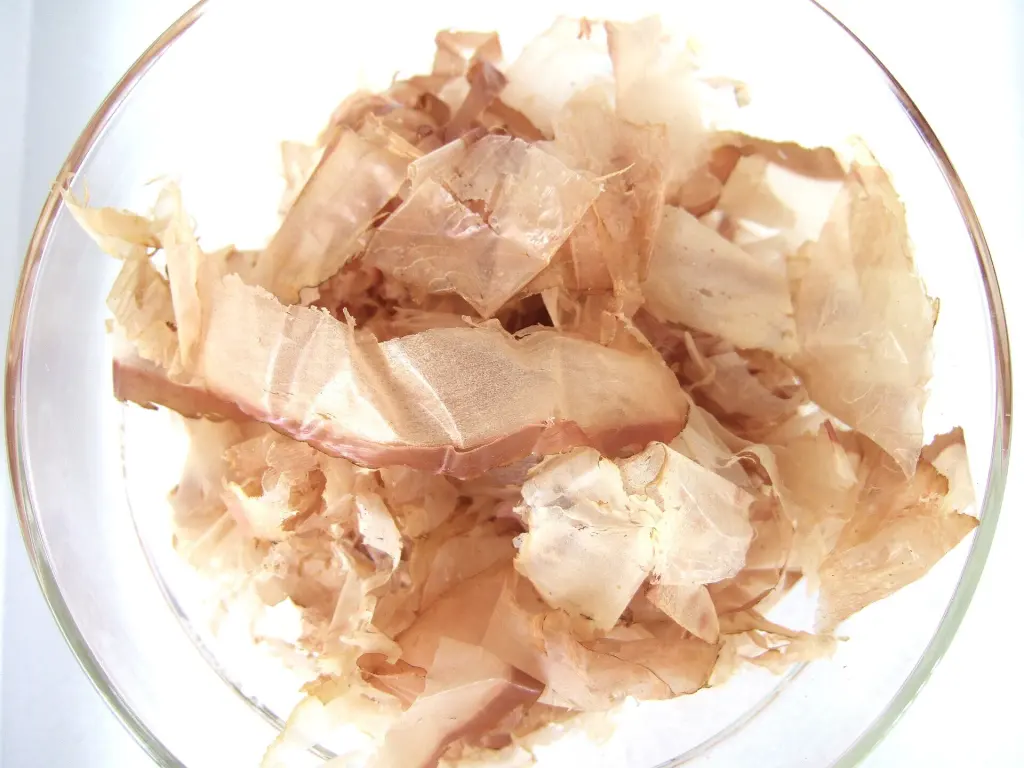
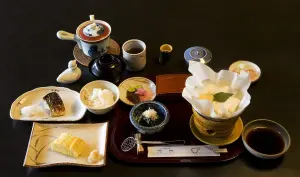
Image: Sakurai Midori / Wikimedia Commons · Creative Commons Attribution-ShareAlike 3.0
Ingredients · Extraction · Use
Flavour drawn into water.
Dashi (出汁) is a family of cooking stocks. Kelp, prepared fish, dried mushrooms and other ingredients yield different aromas and savoury qualities. The ingredient, extraction and intended dish must be understood together.
An ingredient becomes a cooking liquid
- ChooseKelp, fish, mushrooms or a combination
- ExtractWater, time and heat draw out flavour
- UseSeason the stock for the intended dish
At a glance
- Name
- 出汁 · Dashi
- Definition
- An extracted cooking liquid
- Common materials
- Kombu, katsuobushi, niboshi and dried shiitake
- Uses
- Soups, simmered dishes, noodles, sauces and egg dishes
Name and definition
Dashi refers to an extracted cooking liquid, not one packaged seasoning or one exact recipe. The word may be written in kana or with characters associated with drawing flavour out. Everyday usage also appears in compound terms for specific ingredients and preparations.
Compare ingredients, extraction and use
| Material / stock | Contribution | Extraction pattern | Typical uses |
|---|---|---|---|
| Kombu | Kelp; glutamate | Soaking or gentle heating | Plant-based stocks; soups and simmered dishes |
| Katsuobushi | Prepared bonito; inosinate and a distinctive aroma | Brief hot extraction of shavings, then straining | Clear stocks, noodle sauces and combinations with kombu |
| Niboshi | Small dried fish; savoury fish flavour | Soaking and/or simmering; preparation varies | Miso soup and robust everyday stocks |
| Dried shiitake | Mushrooms; guanylate and a pronounced aroma | Rehydration; soaking liquid used as stock | Plant-based cooking and simmered dishes |
| Awase dashi | A combined stock, often kombu and katsuobushi | Ingredients extracted together or in stages | A balance of aroma and umami for varied dishes |
Methods differ with ingredient grade, cut, strength and the intended dish. These comparisons follow the Umami Information Center’s ingredient overview and extraction demonstrations.
Kombu contributes glutamate; katsuobushi and other dried fish contribute nucleotides such as inosinate; dried shiitake contributes guanylate. Combining ingredients can intensify perceived umami. Their aromas, salt content, smoke, and bitterness also matter, so extraction is controlled for the desired dish.
Extraction methods
Kombu may be soaked or gently heated and removed before strong boiling. Katsuobushi shavings are commonly added to hot liquid and strained after a short extraction. Niboshi may be cleaned, soaked, and simmered. These are broad patterns rather than rigid rules, and professional kitchens use carefully specified temperatures and grades.
Ichiban and niban dashi
In some formal and restaurant contexts, the first extraction is called ichiban dashi and valued for clarity and fragrance. Used ingredients can be extracted again for niban dashi, suited to stronger seasoning or simmered foods. Many homes do not follow this two-stage terminology for every meal.
Keep stock and seasoning distinct
A liquid foundation
Dashi carries aroma and savouriness; miso or other seasonings add further qualities. Fish-based dashi can be present even when the visible ingredients are vegetables.
Broth or dipping sauce
Soba and udon preparations combine stock with seasonings. Strength and balance vary with the serving style.
Flavour within a dish
Stock can become the cooking liquid for vegetables and other ingredients, or part of an egg mixture. It is not limited to a bowl of soup.
Dashi and umami
The familiar awase dashi pairing brings together glutamate-rich kombu and inosinate-rich katsuobushi. Their interaction strengthens the perception of umami, while stocks made from either ingredient alone remain important in their own contexts.
Bonito-based dashi seasoned with soy sauce and mirin became fundamental to the dipping sauces and hot broths used with soba.
Research on kombu helped identify glutamate as a source of umami in the early twentieth century. Later work clarified other compounds and their synergistic effects. Dashi is culturally important to that history, but umami is a basic taste found in foods worldwide rather than a property exclusive to Japan.
Regional and dietary variation
Regional udon broths use different combinations of kelp, dried bonito or other fish, soy sauce, and salt, linking dashi practice to local ingredients and tastes.
Dashi is central to many Japanese noodle broths and dipping sauces, although ingredients and seasoning differ among soba, udon, regional dishes, and dietary needs.
Kombu distribution historically linked Hokkaido production with ports and cuisines elsewhere in Japan. Dried-fish stocks vary by local catch and preference. Buddhist vegetarian cooking uses plant-based dashi such as kombu and shiitake, while modern cooks also make vegetable stocks that extend the category.
Modern products and use
Powders, tea-bag-style packs, concentrates, and bottled soup bases make dashi quicker to prepare. Their ingredients may include salt, sugar, flavour enhancers, or soy sauce, so they are not interchangeable with unsalted stock. The appropriate form depends on time, dietary restrictions, flavour, and the dish being made.
Follow the ingredient beyond the pot
Hokkaido Food Culture explains the regional and trading context of kombu. Japanese Fermentation explains how ingredients and seasonings may be transformed before cooking; extracting dashi itself is not fermentation. Washoku places the stock within the wider meal.
Sources
- UNESCO, Washoku, traditional dietary cultures of the Japanese
- Ministry of Agriculture, Forestry and Fisheries, What is Washoku?
- Web Japan, Japanese Food Culture
- Research review, Measures to Promote the Protection and Inheritance of Traditional Japanese Dietary Cultures
- Ministry of Agriculture, Forestry and Fisheries, Dashi and Umami
- National Diet Library, Japanese Dashi Culture and the Discovery of Umami
- Journal for the Integrated Study of Dietary Habits, Globalization of umami and Japanese food culture
- Umami Information Center, What is Dashi?
- Umami Information Center, How to Experience Umami
Last updated: