Food Culture
Miso
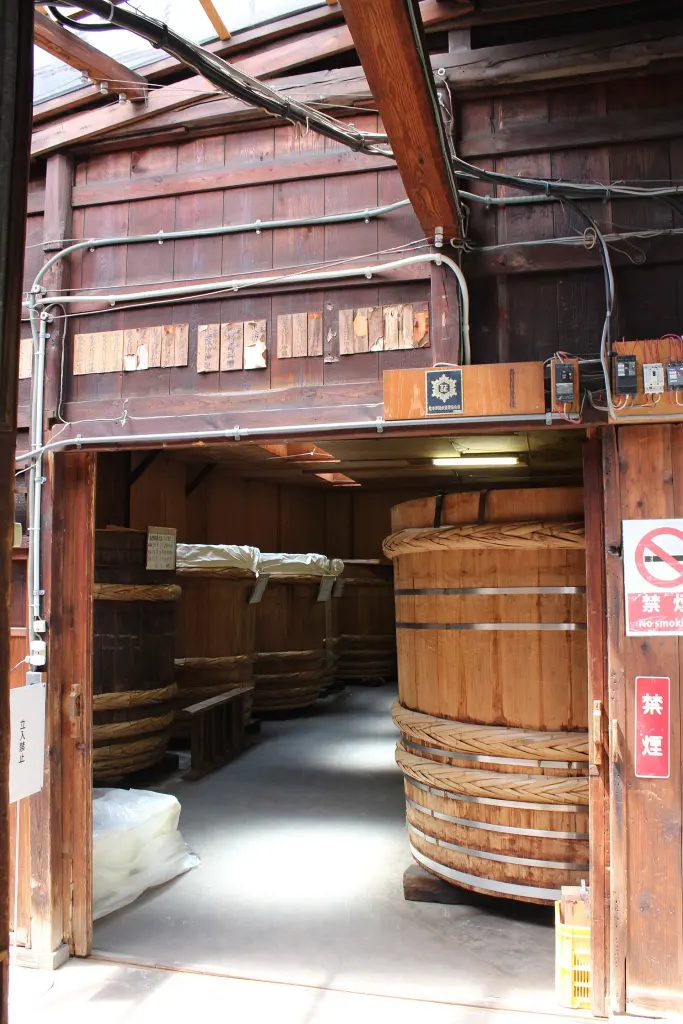
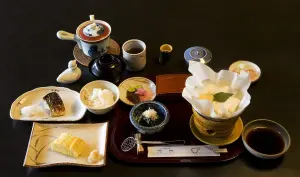
Image: KCyamazaki / Wikimedia Commons · Creative Commons Attribution-ShareAlike 4.0
Miso (味噌) is a fermented paste central to many forms of Japanese cooking. It is usually produced from soybeans, salt, and koji cultivated on rice, barley, or soybeans. Microbial and enzymatic activity breaks down proteins and carbohydrates during fermentation and ageing, developing savoury taste, aroma, colour, and texture. Miso appears in soup, marinades, sauces, simmered dishes, pickles, and regional foods. It is not one uniform brown paste: white, red, sweet, salty, smooth, chunky, short-aged, and long-aged products reflect different ingredients and techniques. Production developed through exchanges with continental Asian fermentation traditions and later household, temple, domain, and commercial practice in Japan. Modern factories coexist with small breweries and home preparation. Because varieties differ greatly in salt and flavour, recipes normally specify type or adjust quantity to taste.
Overview
| Japanese name | 味噌 |
|---|---|
| Classification | Fermented seasoning paste |
| Principal ingredients | Soybeans, salt, and koji |
| Koji bases | Rice, barley, or soybean |
| Major broad types | Rice miso, barley miso, and soybean miso |
| Common uses | Soup, sauces, marinades, simmering, and pickling |
Ingredients and process
Miso belongs to the wider field of Japanese fermentation. Its process begins with kōji, whose enzymes act on steamed soybeans and grain before yeasts, bacteria, salt, and maturation shape the finished paste.
Cooked soybeans are crushed or left textured, mixed with salt and koji, packed, and aged. Koji mould produces enzymes that make soybean protein and starches available to later fermentation processes. Temperature, time, salt, water, oxygen exposure, and microbial community influence the result.
Types and regions
Rice-koji miso is widespread, barley miso is strongly associated with parts of Kyushu and Shikoku, and soybean miso is characteristic of central Japan. These labels describe the koji substrate, not the absence of soybeans. Regional names and colour categories overlap, so no short list captures every product.
History
Fermented grain and bean pastes entered Japan through long East Asian exchanges. Early forms were elite foods and condiments; temple and warrior households helped transmit production, and village manufacture expanded with soybean cultivation. Commercial breweries and domain specialities developed further in the early modern period.
Miso soup and cooking
Miso is also used as a concentrated seasoning in ramen, where it is combined with broth, aromatic fats, noodles, and toppings rather than prepared as ordinary miso soup.
Miso soup combines dashi, miso, and ingredients chosen for season, locality, and household preference. The paste is commonly dissolved near the end to preserve aroma. Miso also seasons fish or meat, vegetable dressings, hot pots, noodles, grilled preparations, and preserved foods.
Colour, flavour, and ageing
Pale miso may be relatively sweet and briefly aged, while darker miso can be longer aged and more robust, but colour alone does not determine saltiness or quality. Raw material proportions and heat-driven browning contribute to appearance. Tasting and label information are more reliable than assuming from colour.
Nutrition and salt
Miso supplies protein-derived compounds and, depending on product and serving, microorganisms and other fermentation products. It also contains substantial sodium. Health effects depend on overall diet, amount, and individual needs; heritage status should not be treated as a universal medical claim.
Production today
Industrial control allows consistent products and wide distribution, while regional makers preserve distinctive koji ratios, vessels, and ageing. Refrigeration and packaging can slow change after sale. Unpasteurised and pasteurised products behave differently, and storage guidance should follow the maker's label.
Sources
Last updated: