
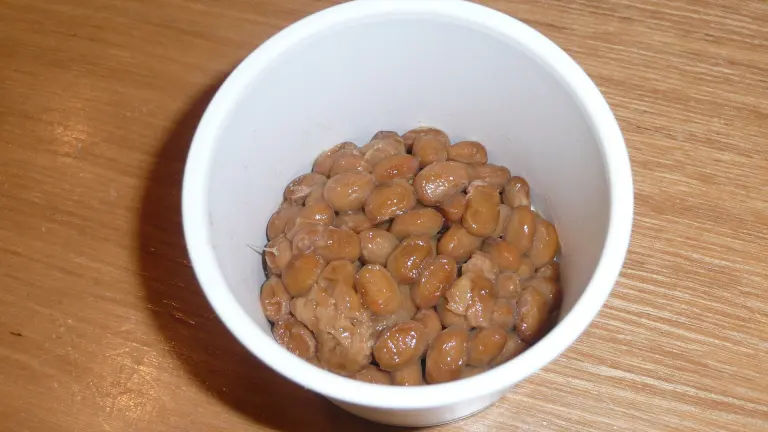
Nattō
Nattō is a Japanese food made by fermenting cooked soybeans with Bacillus subtilis var. natto, producing a distinctive aroma and sticky texture.
Nattō is a Japanese food made by fermenting cooked soybeans with Bacillus subtilis var. natto, producing a distinctive aroma and sticky texture.
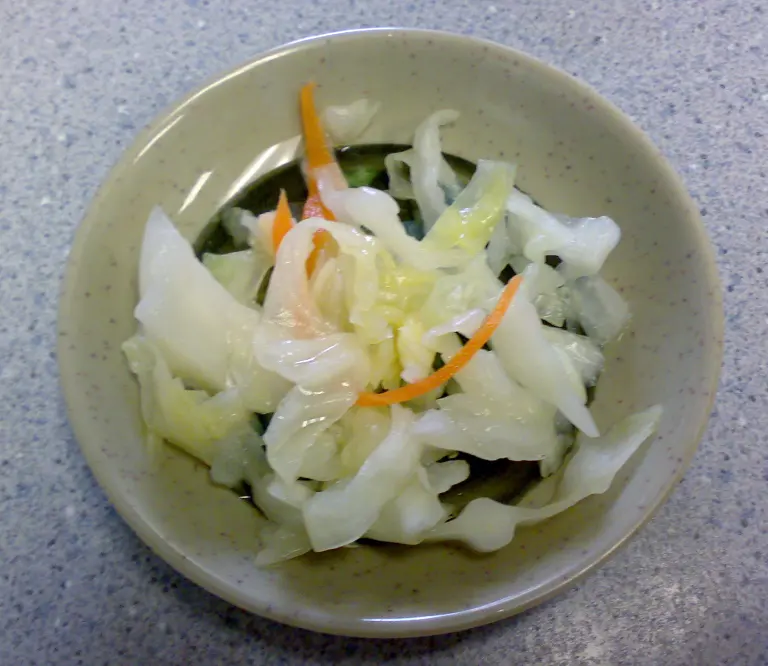
Tsukemono are Japanese pickled foods made with salt, rice bran, vinegar, miso, sake lees, or other beds; only some types are fermented.
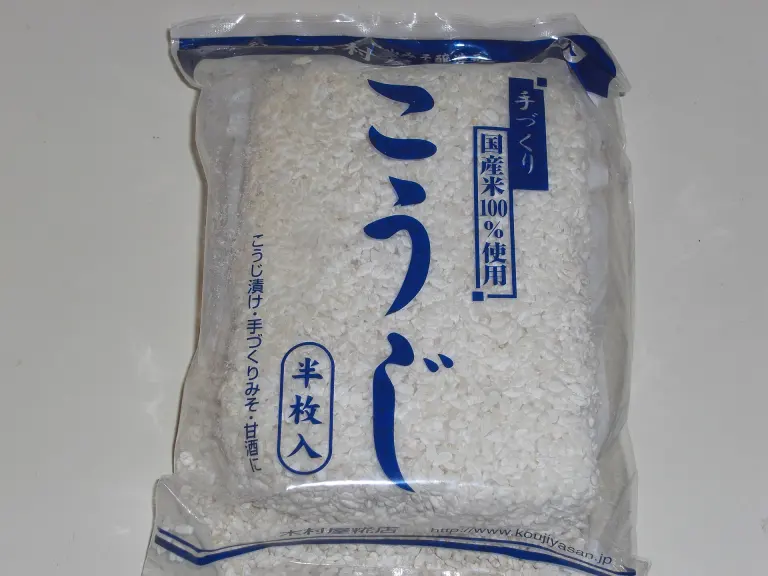
Kōji is grain or soybeans cultivated with useful molds whose enzymes support the production of sake, miso, soy sauce, vinegar, and other foods.

Japanese fermentation uses kōji, yeasts, bacteria, salt, and time to transform grains, soybeans, vegetables, fish, and other ingredients.
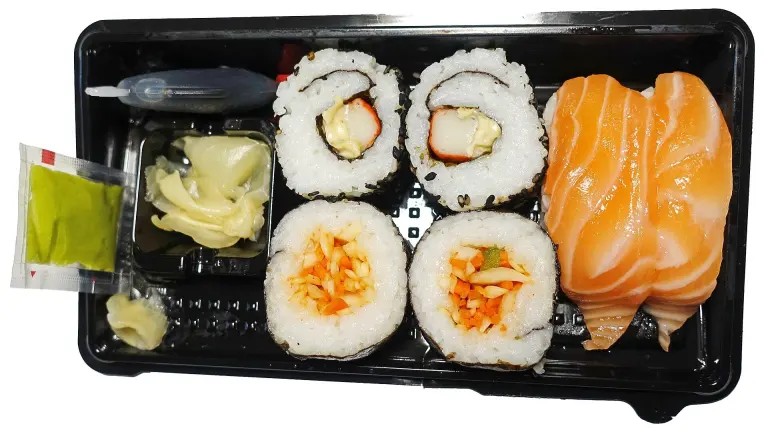
Sushi is a family of foods organized around seasoned or fermented rice traditions; it is not a synonym for raw fish or nigiri alone.
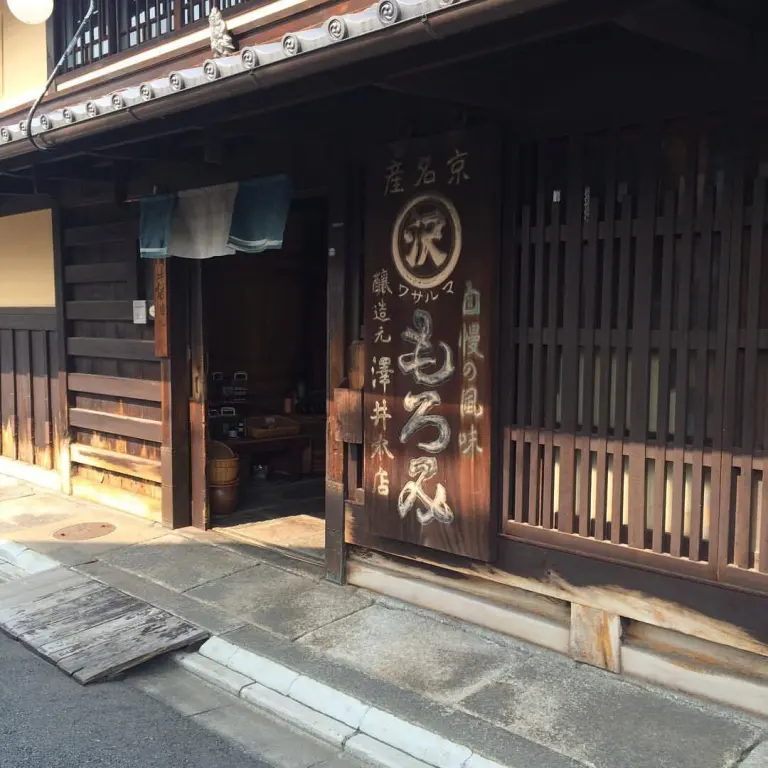
Japanese soy sauce, or shōyu, is a fermented liquid seasoning with regional types produced from combinations of soybeans, wheat, salt, water, and koji.
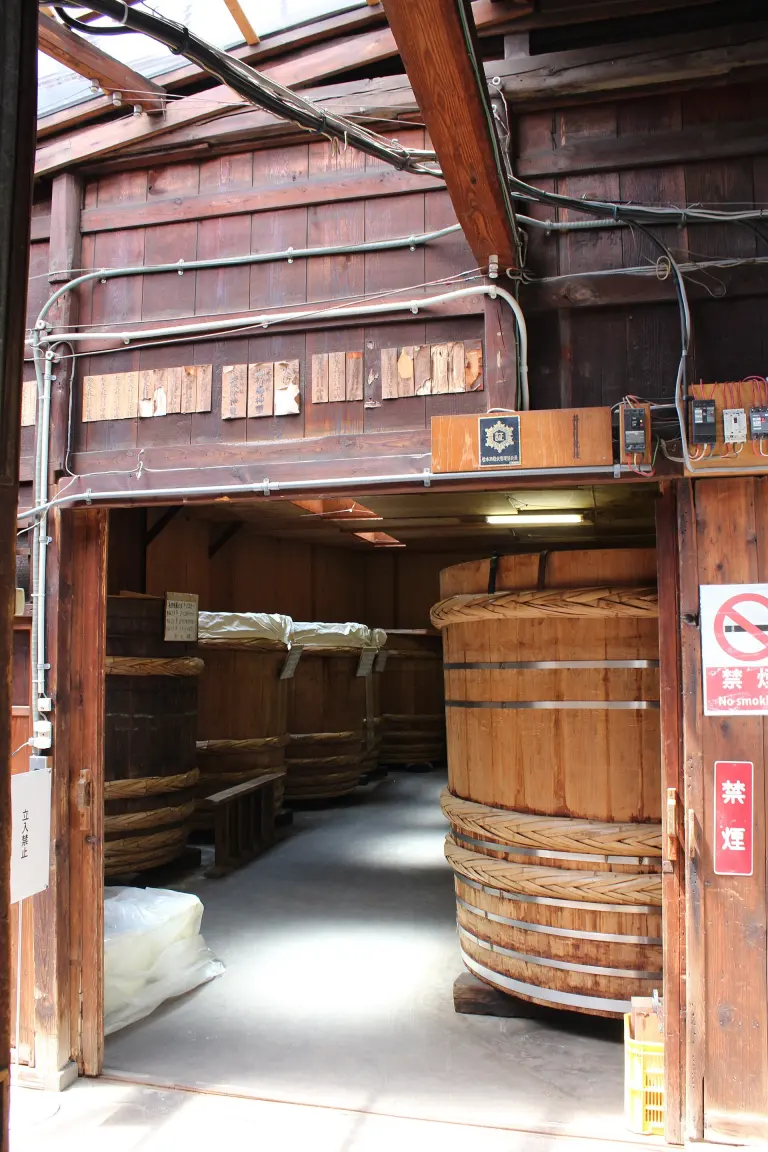
Miso is a Japanese fermented paste made mainly from soybeans, salt, and koji, with regional varieties shaped by grain, proportion, microbes, climate, and ageing.