Food Culture
Kōji
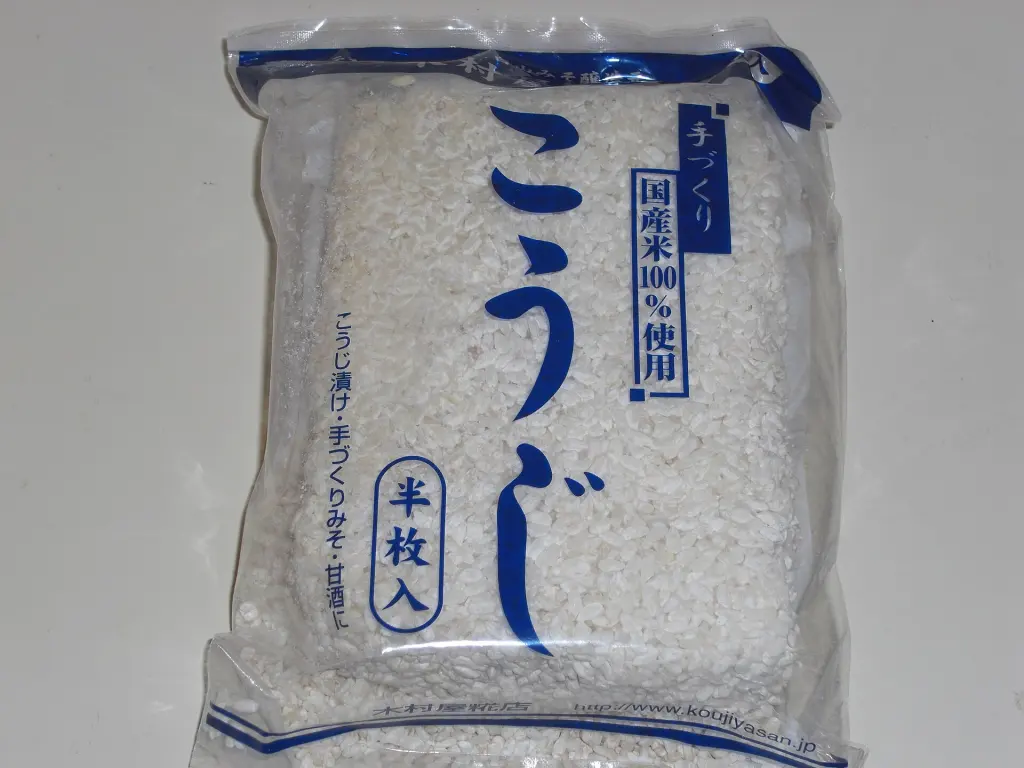
Image: 7'o'7 / Wikimedia Commons · CC BY-SA 3.0
Kōji is a cultivated food material made by growing useful filamentous fungi on steamed rice, barley, soybeans, or another substrate. In much Japanese brewing, Aspergillus oryzae produces enzymes that break starches into sugars and proteins into smaller flavor-active compounds. Those conversions make kōji fundamental to sake, miso, soy sauce, mirin, vinegar, amazake, and related products. Kōji is neither yeast nor simply “moldy rice”: the substrate, mold strain, temperature, moisture, timing, and intended product are carefully managed. It also does not define every form of Japanese fermentation. Nattō, for example, is made with Bacillus bacteria, while many vegetable fermentations depend mainly on lactic-acid bacteria.
Overview
| Japanese name | 麹 or 糀 |
|---|---|
| Romanization | Kōji |
| Basic form | Cooked grain or soybeans cultivated with a selected filamentous fungus |
| Major mold | Aspergillus oryzae for many Japanese foods and drinks |
| Main functions | Producing enzymes that break down starches, proteins, and other compounds |
| Major uses | Sake, miso, soy sauce, shōchū, awamori, vinegar, mirin, and amazake |
Definition and written forms
The standard character 麹 has continental origins and can refer broadly to grain-based fermentation cultures. The Japanese-created variant 糀 combines the elements for rice and flower and is often associated visually with rice kōji. Spelling preference does not by itself indicate a different product.
Kōji names both the cultivated material and, informally, the production tradition around it. It should be distinguished from kōji-kin, the mold organism or inoculum, and tane-kōji, the prepared spores used to begin cultivation. It is also distinct from yeast, which performs alcoholic fermentation.
How kōji is made
A producer prepares the substrate by polishing or cleaning, washing, soaking, and steaming it as appropriate. After cooling to a controlled temperature, tane-kōji is distributed over the material. The culture is then kept warm and aerated while its temperature and moisture are managed as the fungal hyphae grow.
Rice kōji for sake is commonly developed over roughly two days in a dedicated room called a kōji-muro. Makers break up, mix, spread, or mound the rice to regulate heat and growth. The exact schedule and desired pattern of penetration vary by product and brewery; a domestic recipe cannot stand in for professional process control.
Enzymes and conversion
Amylolytic enzymes from kōji convert grain starch into smaller sugars. This is crucial because yeast cannot directly ferment intact rice starch. Proteolytic enzymes break proteins into peptides and amino acids, contributing nutrients for microorganisms and compounds associated with umami and aroma.
Kōji also supplies lipases and other enzymes and generates its own flavor compounds. Producers select strains and cultivation conditions for the balance of enzymes needed by a particular food. “More kōji” is therefore not a universal measure of quality, sweetness, or fermentation strength.
Substrates, molds, and colours
Rice kōji, barley kōji, and soybean kōji are named for their substrates. A separate classification concerns the mold. Yellow kōji molds, especially Aspergillus oryzae, are strongly associated with sake, miso, and soy sauce. Black and white kōji molds are important in shōchū and awamori because their citric-acid production suits warmer brewing environments.
The two classifications should not be collapsed: rice kōji can be made with more than one type of kōji mold depending on its intended use. Scientific names have also been revised over time, so institutional or scholarly identifications are more reliable than color labels alone.
Kōji in sake brewing
In sake, rice kōji saccharifies steamed rice while yeast converts the resulting sugars into alcohol. Because these processes proceed together in the main mash, sake brewing is described as multiple parallel fermentation. Kōji also supplies nutrients and flavor precursors.
Only part of the total brewing rice becomes kōji; the remainder is steamed and added separately. Rice polishing, kōji development, the yeast starter, staged additions, temperature, pressing, filtration, maturation, and pasteurization all affect the final drink. Kōji is indispensable but not sufficient by itself.
Seasonings and other foods
For miso, rice, barley, or soybean kōji is mixed with cooked soybeans and salt. In soy sauce, kōji grown on soybeans and wheat begins the enzymatic breakdown before brine fermentation and ageing. Kōji also supports rice vinegar, mirin, amazake, shio-kōji, and many regional preparations.
These foods do not taste alike because they use different substrates, salt levels, microbes, strains, and maturation conditions. Calling kōji a “Japanese fermentation starter” is a useful introduction, but it can obscure the distinct microbial communities and production standards of each product.
Safety, science, and heritage
Food kōji relies on selected, managed strains. Its close taxonomic relationship to other Aspergillus molds does not make unidentified household mold safe to eat. Commercial tane-kōji producers, brewers, researchers, and regulators maintain cultures and monitor conditions for intended food use.
The Brewing Society of Japan designated Aspergillus oryzae and related brewing molds as Japan's “national fungi” in 2006, recognizing their role in food culture and industry. In 2024, UNESCO inscribed traditional knowledge and skills of sake-making with kōji mold in Japan, emphasizing transmitted craft knowledge rather than one fixed recipe.
Sources
- Ministry of Agriculture, Forestry and Fisheries, An Introduction to Japanese Fermented Foods.
- National Research Institute of Brewing, Information about Types of Alcoholic Beverages: What Is Koji?.
- Koyanagi, Traditional Fermented Foods as Sources for Isolation of Diverse Strains of Lactic Acid Bacteria.
- Kusumoto, Novel Utilization of Aspergillus oryzae Used in Japanese Brewing Industries.
- National Research Institute of Brewing, A Comprehensive Guide to Japanese Sake.
- UNESCO, Traditional Knowledge and Skills of Sake-making with Koji Mold in Japan.
Last updated: