Food Culture
Rice in Japanese Culture
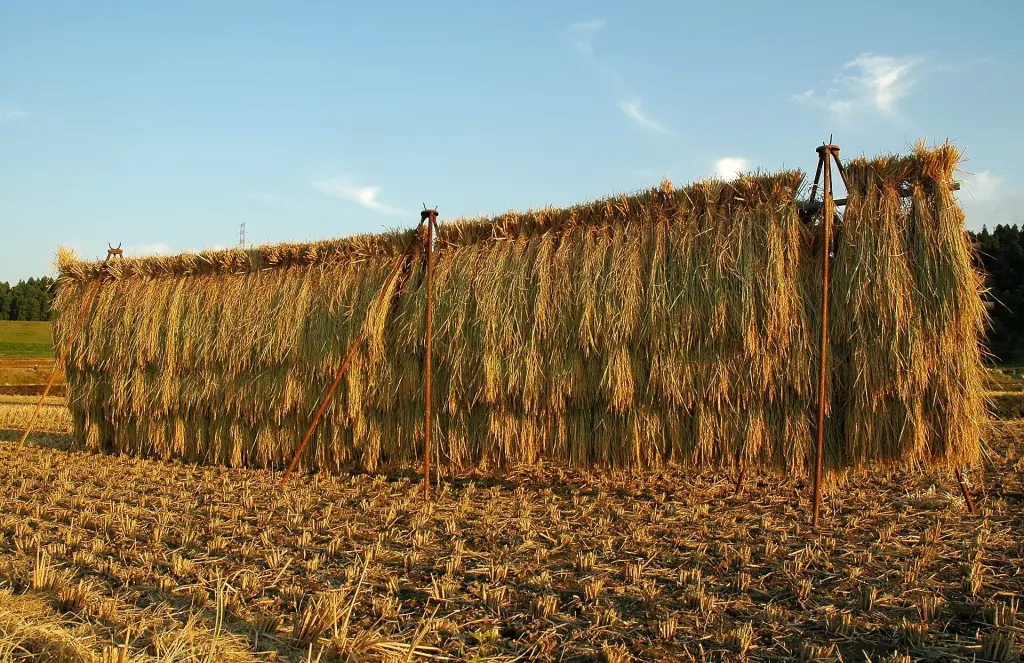
Image: Kropsoq / Wikimedia Commons · Creative Commons Attribution-ShareAlike 3.0
Rice has shaped food, landscapes, labour, taxation, ritual, and language in Japan, although its importance has never made Japanese diets culturally uniform. Wet-rice cultivation reached parts of the archipelago in prehistory and expanded unevenly alongside millet, wheat, barley, beans, fish, and gathered foods. Cooked rice became a central meal component and the word gohan can mean both rice and a meal. Rice is also pounded into mochi, fermented into sake and vinegar, used to produce koji for miso, and offered in religious and seasonal settings. Historically it could serve as tax, stipend, and a measure of domain wealth. Modern consumption has declined from earlier levels, but rice remains prominent in household meals, school food, regional agriculture, festivals, and debates about food security.
Overview
| Japanese terms | 米 (kome) and ご飯 (gohan) |
|---|---|
| Main cultivated type | Japonica rice |
| Major forms | Non-glutinous uruchimai and glutinous mochigome |
| Cultural roles | Staple, offering, tax base, and ceremonial food |
| Processed forms | Mochi, sake, vinegar, flour, and rice koji |
| Landscape | Paddy fields and irrigation systems |
Words and meanings
Kome usually refers to uncooked rice, while gohan commonly means cooked rice and, by extension, a meal. Other terms distinguish seed, plant, grain, variety, degree of polishing, and preparation. This vocabulary reflects importance without proving that rice was the sole staple in every place or period.
Cultivation and landscape
Wet-field cultivation depends on coordinated water control, transplanting or direct seeding, harvest, drying, and processing. Paddy systems reshaped valleys and plains and supported community institutions, but cold, mountainous, and dry areas often relied more heavily on other grains or tubers. Regional environments produced different calendars and varieties.
Food and meal structure
Onigiri turns cooked rice into a portable portion for work, travel, lunch boxes, shops, and emergency distribution while retaining wide regional and household variation.
In sushi, rice is not a neutral platform: fermentation or vinegar seasoning, texture, temperature, and shaping are central to the food’s identity.
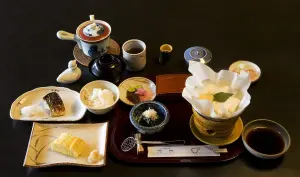
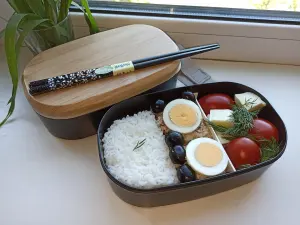
Plain cooked rice traditionally accompanies seasoned side dishes and soup in many washoku meals. It also becomes porridge, mixed rice, sushi rice, rice balls, sekihan, and bento staples. Mochigome is steamed and pounded for mochi or used for sticky rice dishes; flour supports dumplings and sweets.
Ritual and seasonal life
At New Year, kagami mochi makes rice into a household offering for Toshigami before it is opened and eaten in the observance called kagami biraki.
Rice, sake, and mochi appear as offerings and shared foods in shrine rites, New Year observances, harvest festivals, life-cycle ceremonies, and memorial practice. Meanings vary among communities. Rice is important, but scholarship cautions against treating every grain ritual as exclusively a rice cult when classical sources also emphasise other cereals and beans.
Wealth, tax, and power
Premodern governments collected agricultural produce, and early modern domains were assessed through kokudaka, an estimate expressed in rice volume. Samurai stipends and market exchange were closely connected with rice. These institutions made the grain a political and economic measure even when actual production, payment, and diets were more diverse.
Fermentation and products
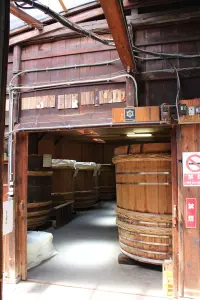
Kōji makes rice starch accessible to other microorganisms by supplying enzymes that produce fermentable sugars. In sake brewing, this saccharification proceeds alongside alcoholic fermentation by yeast.
Rice supports sake, vinegar, mirin, amazake, pickles, and rice-koji fermentation. In miso, rice may feed koji used to ferment soybeans; rice is not necessarily the main solid ingredient. Bran from milling also has culinary and practical uses, showing how processing creates several material streams.
Modern change
Postwar diets diversified through bread, noodles, meat, dairy products, and processed foods, while mechanisation changed farm labour. Government policy, ageing farming communities, price, imports, and environmental conditions now shape production. Rice retains strong symbolic visibility even as household consumption and the social organisation of cultivation change.
Sources
- UNESCO, Washoku, traditional dietary cultures of the Japanese.
- Ministry of Agriculture, Forestry and Fisheries, What is Washoku?.
- Web Japan, Japanese Food Culture.
- Research review, Measures to Promote the Protection and Inheritance of Traditional Japanese Dietary Cultures.
- Ministry of Agriculture, Forestry and Fisheries, Rice as Washoku.
- Web Japan, Food: Another Perspective on Japanese Cultural History.
- The Historical Society of Japan, The five grains and annual observances in Nara and Heian Japan.
Last updated: