Food Culture
Umami
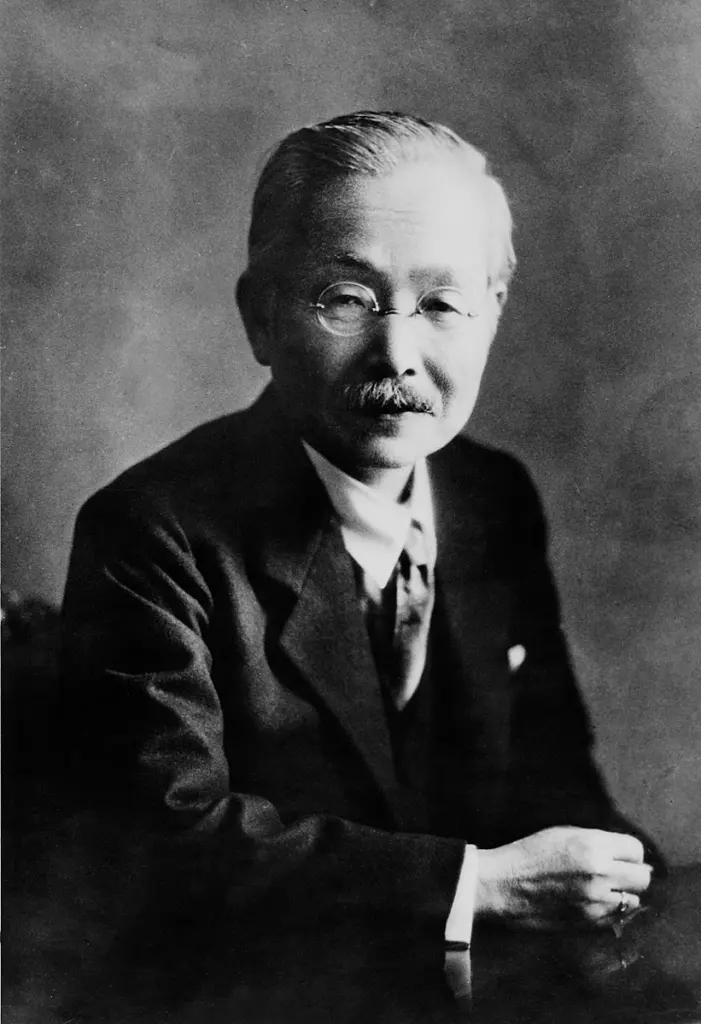
Image: Unknown photographer / Wikimedia Commons · Public domain
Umami is a basic taste quality elicited chiefly by glutamate and strengthened by certain nucleotides, especially inosinate and guanylate. Japanese chemist Ikeda Kikunae identified glutamate as the characteristic taste component of kombu stock in 1908 and named the taste umami. Later sensory and receptor research established it alongside sweet, sour, salty, and bitter as a basic taste. In Japanese cooking, the interaction of kombu glutamate with inosinate from katsuobushi is especially important to dashi, while mushrooms, tomatoes, meats, seafood, and fermented foods provide related compounds worldwide. Umami does not mean all forms of “deliciousness,” and it is not identical to monosodium glutamate, which is one source of glutamate rather than the taste category itself.
Overview
| Japanese term | うま味; also 旨味 in general writing |
|---|---|
| Classification | One of the five widely recognized basic tastes |
| Principal stimulus | Glutamate |
| Synergistic nucleotides | Inosinate and guanylate |
| Scientific naming | Ikeda Kikunae, 1908 |
| Classic dashi example | Kombu glutamate combined with katsuobushi inosinate |
Name and meaning
Ikeda formed the scientific food term umami from the Japanese adjective umai, meaning tasty or savory, and the nominal ending mi. In technical Japanese, うま味 often denotes the basic taste, while 旨味 can refer more broadly to attractiveness or deliciousness, although everyday usage is not rigidly separated.
English borrowed umami rather than translating it as simply “savory.” The loanword is useful because the taste is present in sweet, mild, and fermented foods as well as in meat-like dishes. It describes a sensory quality, not a cuisine, ingredient, or universal judgment of quality.
A basic taste
A basic taste is defined through characteristic stimuli and biological detection rather than by culinary popularity alone. Human taste receptors respond to glutamate and related compounds, and signals from taste cells contribute to the perception identified as umami.
Taste is only one part of flavor. Smell, temperature, texture, irritation, fat, expectation, and previous experience also shape what a food seems like. A rich broth may therefore be high in umami while owing much of its character to aromas and mouthfeel that are not umami itself.
Ikeda and the discovery of glutamate
In 1908, Tokyo Imperial University chemist Ikeda Kikunae reported that the distinctive taste of kombu dashi came from glutamate. He argued that it differed from the four tastes then conventionally emphasized in Western physiology and named it umami.
Ikeda subsequently developed a method for producing a stable seasoning form, monosodium glutamate, or MSG. The commercial history helped spread the term, but the scientific proposition was broader: glutamate occurs naturally in many foods, and the taste category is not defined by one manufactured seasoning.
Compounds and food sources
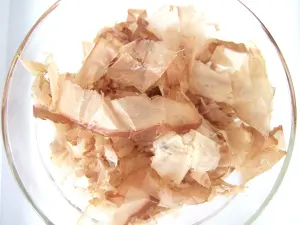
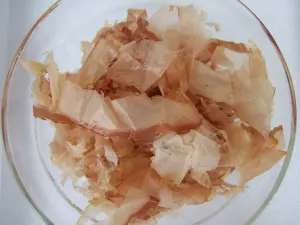
Free glutamate is found in kombu, tomatoes, cheeses, soy sauce, miso, and many other foods. Inosinate is prominent in meats and fish products such as katsuobushi, while guanylate occurs in dried mushrooms. Proteins contain bound glutamate, but cooking, ageing, drying, and fermentation can increase the free compounds available to taste receptors.
A food's measured glutamate content does not predict its entire flavor. Salt, acidity, sweetness, aroma, serving temperature, and concentration change perception. Natural and manufactured sources deliver the same glutamate ion, while the surrounding food matrix can differ greatly.
Synergy
Glutamate and the nucleotides inosinate or guanylate can interact so that their combined umami intensity is greater than a simple addition of either alone. This synergy is a sensory and receptor effect, not merely a poetic description of ingredients that taste good together.
The classic Japanese example combines kombu with katsuobushi. Other cuisines pair tomatoes with cheese or meat, and vegetables with mushrooms or cured ingredients. Such parallels show that umami chemistry is widespread even when cultures organize, name, and value the resulting flavors differently.
Dashi and washoku
Dashi makes umami especially legible because it extracts taste compounds into a relatively light stock. Kombu dashi emphasizes glutamate; katsuobushi dashi contributes inosinate and smoke-derived aroma; niboshi and dried shiitake produce different profiles. Awase dashi deliberately combines sources.
Umami supports soups, noodle broths, simmered foods, dipping sauces, and seasoning balances in washoku. It should not be presented as the secret of all Japanese food, however. Acidity, bitterness, sweetness, salinity, aroma, texture, seasonality, and visual form are equally important to particular dishes.
Misconceptions and current science
Umami is sometimes used in marketing to mean depth, richness, or simple excellence. Those associations overlap with experience but exceed the scientific definition. A disliked food can contain umami compounds, and an admired food need not be dominated by them.
MSG is the sodium salt of glutamic acid and supplies glutamate in solution; it is not a sixth taste or a synonym for umami. Research continues on receptor mechanisms, interactions among taste and digestion, and individual variation. Cultural claims should remain separate from medical promises or claims that one ingredient guarantees satisfaction.
Sources
- Ministry of Agriculture, Forestry and Fisheries, Dashi & Umami.
- Kumiko Ninomiya, Food Science of Dashi and Umami Taste.
- Kenzo Kurihara, Glutamate: From Discovery as a Food Flavor to Role as a Basic Taste.
- Chaudhari et al., Umami the Fifth Basic Taste: History of Studies on Receptor Mechanisms.
- Nishiguchi et al., The Molecular Basis of Glutamate Sensing in Multimeric Metabotropic Glutamate Receptors.
- Government of Japan, The Discovery of Umami.
Last updated: