
Sanma in Japanese Food Culture
Pacific saury connects autumn meals, salt grilling and regional preparations with the rakugo story that gave inland Meguro a lasting association with fish.
Pacific saury connects autumn meals, salt grilling and regional preparations with the rakugo story that gave inland Meguro a lasting association with fish.
Water, rice, brewing knowledge and local food traditions shape sake-producing places, with Nada, Fushimi and Niigata illustrating different regional contexts.
Tsukimi dango are dumplings offered for moon viewing, with regional differences in shape, ingredients, arrangement and seasonal meaning.
Japanese curry developed through imported cookery, institutional meals and packaged seasonings, with curry rice as its best-known form.
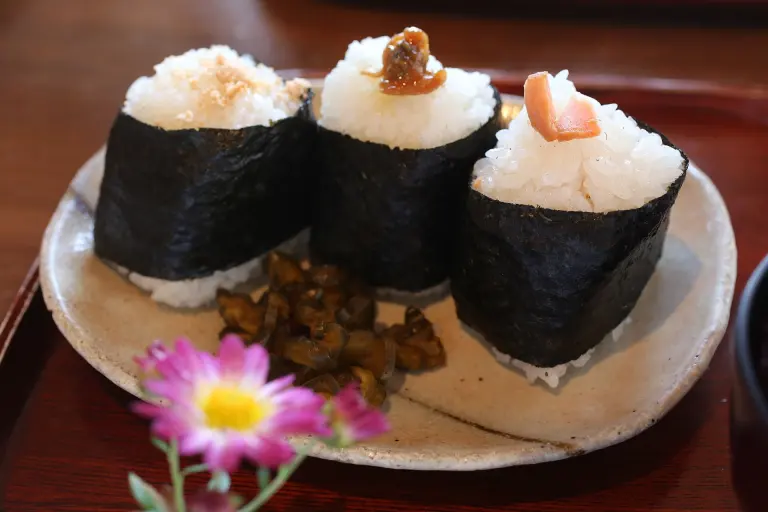
Onigiri are portable portions of cooked Japanese rice, shaped by hand or machine and often filled, seasoned, grilled, or wrapped in nori.
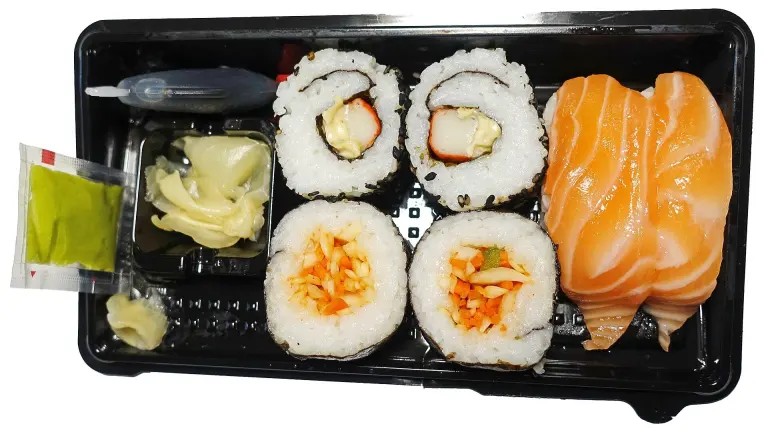
Sushi is a family of foods organized around seasoned or fermented rice traditions; it is not a synonym for raw fish or nigiri alone.
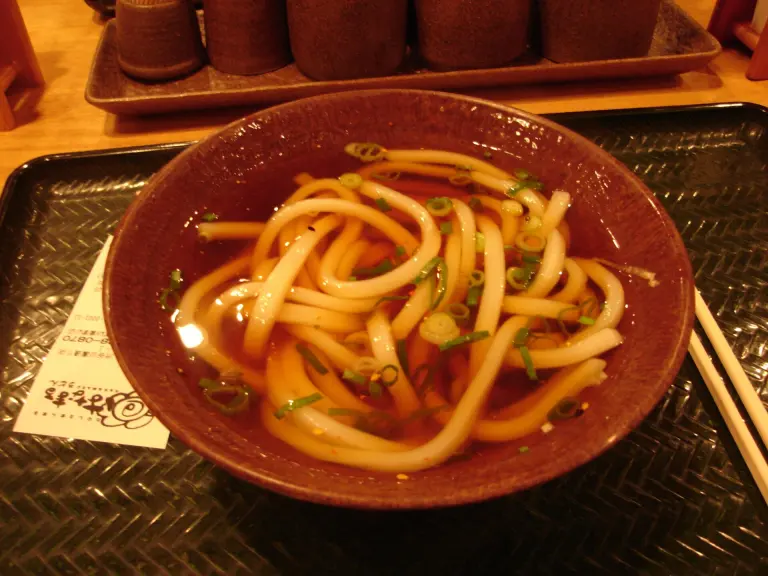
Udon are Japanese wheat noodles whose width, texture, broth, preparation, and regional forms vary far beyond the familiar thick white bowl.
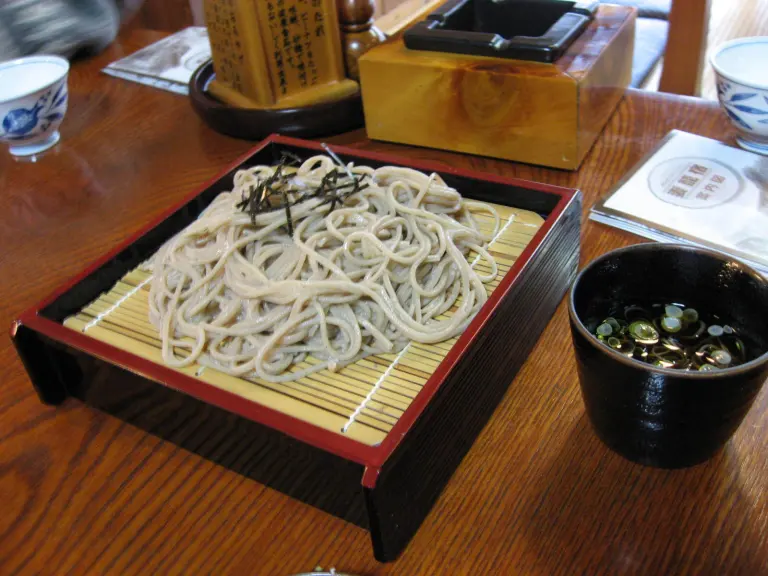
Soba most often means Japanese buckwheat noodles, served chilled or hot, but the word also appears in names for unrelated wheat noodles.
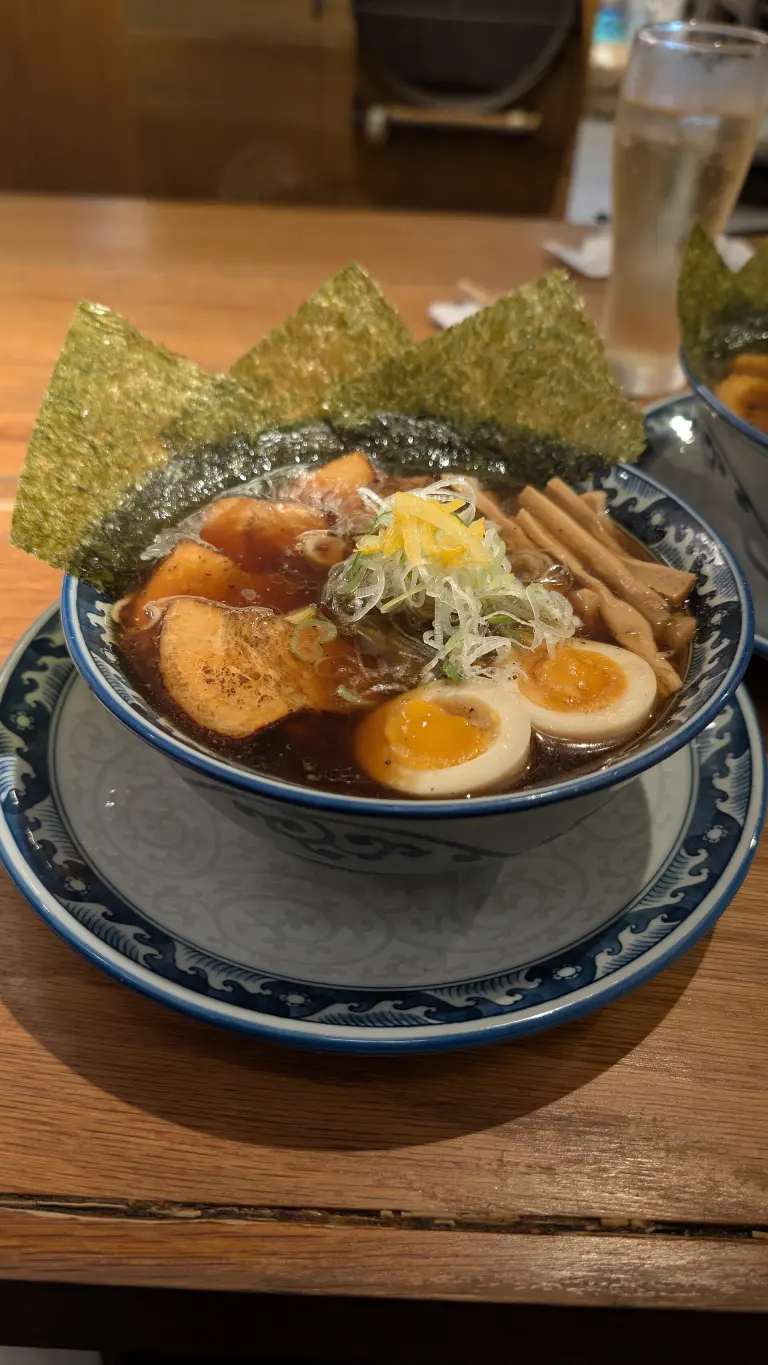
Ramen is a Japanese wheat-noodle dish of Chinese origin, organized around alkaline noodles, seasoned soup or sauce, aromatic oil, and varied toppings.

Japanese noodles comprise distinct wheat, buckwheat, and Chinese-style traditions, including udon, soba, sōmen, and ramen, each with its own ingredients and history.