Food Culture
Ramen
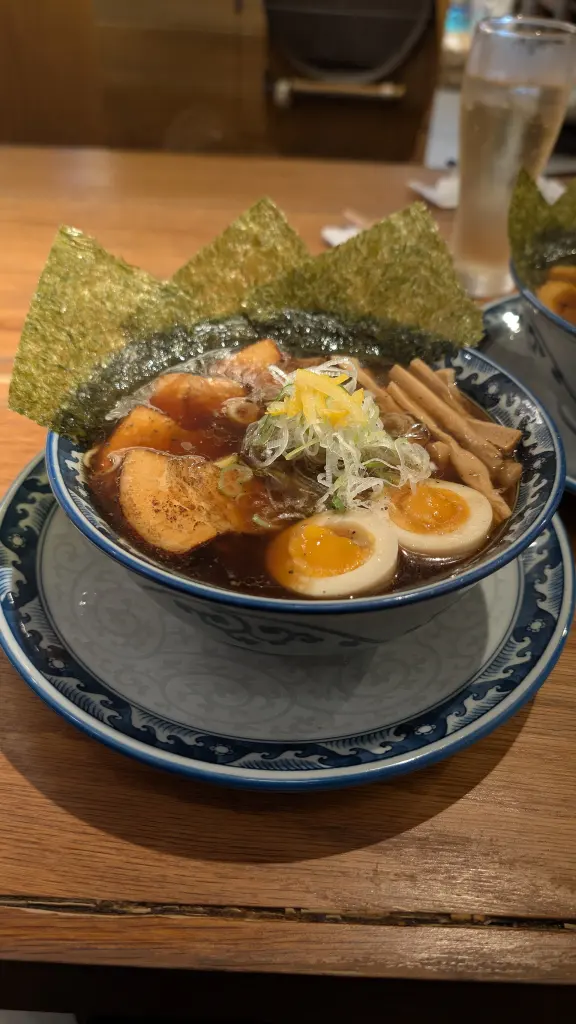
Image: Joli Rumi / Wikimedia Commons · CC BY-SA 4.0
Ramen is a Japanese noodle dish formed through the adaptation of Chinese wheat-noodle traditions in modern Japan. Its noodles characteristically use alkaline salts known as kansui, which influence colour, aroma, elasticity, and cooking behaviour. A bowl is commonly assembled from noodles, broth, concentrated seasoning or tare, aromatic oil, and toppings, but ramen also includes dipping and brothless forms. Chinese migrants and restaurants in port cities were important to its development; early twentieth-century urban shops and postwar street stalls helped broaden its audience. Regional and shop-specific styles later became a major part of ramen culture. Instant ramen is historically connected but is a distinct industrial food format, not the definition of restaurant ramen.
Overview
| Japanese | Rāmen (ラーメン) |
|---|---|
| Classification | Chinese-derived Japanese wheat-noodle dish |
| Noodle characteristic | Alkaline salts called kansui |
| Core components | Noodles, soup or sauce, tare, oil, and toppings |
| Modern formation | Late nineteenth and twentieth centuries |
| Related terms | Chūka soba and shina soba in historical usage |
Name and scope
Ramen names both a noodle and dishes made with it. Chūka soba remains a common alternative, while the historical term shina soba is now avoided or treated cautiously because Shina acquired derogatory associations. The name does not mean that all ramen is soup-based: tsukemen, mazesoba, and abura soba organize noodles and seasoning differently.
Chinese roots and modern Japan
Chinese noodle dishes were served in Japan before the modern era, but the direct history of contemporary ramen is especially tied to nineteenth-century treaty ports, Chinese communities, and modern restaurants. Yokohama and other ports enabled exchange among migrants, workers, cooks, and Japanese customers. Claims that one ancient figure “invented ramen” compress several distinct histories into a national origin story.
Urban shops and postwar growth
Chinese restaurants and specialist shops brought noodle soup into the modern urban meal. Rairaiken in Asakusa, opened in 1910 with Chinese cooks, is frequently cited as an influential early shop rather than the first moment noodles of this kind existed in Japan. After the Second World War, street stalls, wheat availability, repatriation, and changing city life contributed to broader consumption.
Noodles and kansui
Ramen noodles are usually made from wheat flour, water, salt, and alkaline agents collectively called kansui. Flour protein, hydration, alkalinity, cutting, compression, thickness, and ageing alter texture and compatibility with soup. Yellow colour can result partly from the alkaline reaction; eggs are not required. Straight, wavy, thin, and thick noodles are selected for particular bowls.
Broth, tare, and oil
A ramen soup may draw on chicken, pork, seafood, dried fish, vegetables, kelp, or combinations. The concentrated tare supplies much of the salt and defining seasoning, such as soy sauce, salt, or miso. Aromatic fats carry further flavour. Tonkotsu describes a pork-bone broth, whereas shōyu, shio, and miso primarily identify seasoning approaches.
Toppings and assembly
Common toppings include braised or roasted pork, green onion, bamboo shoots, seaweed, seasoned egg, bean sprouts, fish cake, and regional vegetables. A finished bowl is assembled to control noodle cooking, soup temperature, aroma, and contrast. No topping list is universal, and the absence of pork or a particular spiral fish cake does not make a dish non-ramen.
Regional and shop styles
Ramen Shop Culture in Japan examines ordering, seating and the social setting around the bowl.
Sapporo miso ramen, Hakata tonkotsu, Kitakata ramen, Tokyo shōyu styles, and many other labels link bowls to local industries, tastes, tourism, and restaurant lineages. These categories overlap and continue to change. Shops also define styles through house recipes, ingredient sourcing, serving systems, and branding, making ramen simultaneously regional and intensely individual.
Instant noodles and global circulation
Instant ramen, developed as a mass-produced convenience food in postwar Japan, expanded the word’s global reach. It uses precooked and dried or fried noodles with packaged seasoning and differs materially from fresh restaurant ramen. Overseas cooks have adapted both formats to local ingredients and dietary practices. Ramen’s Chinese roots and Japanese development are complementary parts of its history, not competing claims to ownership.
Sources
- Kikkoman Food Forum, Japanese Noodles No. 4: Ramen.
- Japan National Tourism Organization, A Guide to Ramen in Japan.
- Shin-Yokohama Ramen Museum, English Guide.
- Ministry of Agriculture, Forestry and Fisheries, Washoku Guidebook.
- Ministry of Agriculture, Forestry and Fisheries, Grain Products in Traditional Foods.
- Ministry of Agriculture, Forestry and Fisheries, Japanese Food Culture.
- Japan National Tourism Organization, The Art of Noodles.
- Oxford Research Encyclopedia of Food Studies, Noodle Nation Japan.
Last updated: