Food Culture
Sanma in Japanese Food Culture

Image: jetalone / Wikimedia Commons · CC BY 2.0
Sanma in Japanese Food Culture
An autumn fish connects meals, regions and comic memory.
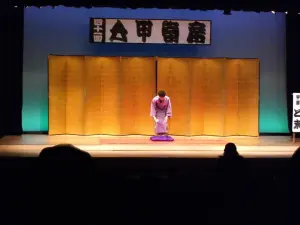
Sanma, or Pacific saury, is a fish strongly associated with autumn meals in Japan. Its common written name, 秋刀魚, evokes the season and its long, blade-like shape. Salt grilling is a familiar preparation, often served with rice and accompaniments such as grated daikon, but it is only one part of the fish’s food culture. Regional dishes include minced preparations and several kinds of sushi, reflecting different ingredients, preservation methods and local histories. Sanma also enters cultural memory through the rakugo story Meguro no Sanma. That comic association concerns an inland place and a misunderstanding about flavour, not evidence that Meguro is a fishing port.
Ingredient
Pacific saury carries an autumn association.
Preparation
Regional dishes use different techniques.
Story
Rakugo connects a fish with inland Meguro.
At a glance
- Japanese name
- サンマ / 秋刀魚 — sanma
- English name
- Pacific saury
- Seasonal association
- Autumn
- Familiar preparation
- Shioyaki, or salt grilling
- Cultural story
- 目黒のさんま — Meguro no Sanma
01
A seasonal name carries a culinary association
The characters 秋刀魚 bring together autumn, a blade and fish. MAFF’s food writing treats sanma as a recognisable seasonal ingredient and describes the familiar grilled meal. This association is cultural as well as practical: it does not establish the origin, freshness or availability of a particular fish offered at a shop or restaurant.
02
Salt grilling is one familiar way to serve the fish
MAFF’s account of fish cookery describes grilled sanma with grated daikon. The lead photograph shows a whole grilled fish served alongside rice and soup. That arrangement makes a useful example of a meal, but household and restaurant accompaniments vary. The dish name identifies a preparation, rather than one mandatory national menu.
03
Regional dishes use different preparations
MAFF documents pōpō-yaki in Fukushima as a minced-sanma preparation shaped and cooked, and sanma-zushi in Totsukawa, Nara, with different methods within the village. The latter account distinguishes longer fermentation in the north from vinegar-treated pressed sushi in the south. These are separate processes, not interchangeable names for salt-grilled fish.
- Shioyaki
- Salt-grilled fish, commonly presented as part of a meal.
- Pōpō-yaki
- A minced and shaped preparation documented in Fukushima.
- Sanma-zushi
- Regional sushi forms with different curing and fermentation histories.
04
Meguro’s association comes from a comic story
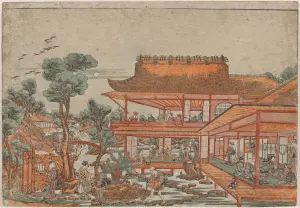
Meguro’s municipal history explains that the inland district’s connection with sanma comes from rakugo. A lord enjoys simply prepared fish during an outing but is disappointed by the elaborate treatment it receives afterwards. Versions differ in characters and setting. The story turns social distance and a mistaken conclusion about place into comedy; it is not a fisheries record.
05
The story circulates beyond a single performance
CiNii Books records Meguro no Sanma in a 1986 children’s rakugo collection published by Kaiseisha. Meguro’s municipal accounts also connect the story with contemporary local cultural activity. Performance, print and community events therefore provide different routes by which a food name becomes a shared reference, even among people who have never eaten the dish in that location.
06
Fish, dish and cultural reference are different subjects
A menu, a regional recipe and a rakugo performance offer different kinds of evidence. Identify which is being discussed before treating a local example as a national rule. Rakugo explains the storytelling form, while Rice in Japanese Culture places the accompanying staple in context. Seasonal symbolism does not substitute for a dated account of supply.
Sources
Last updated: