
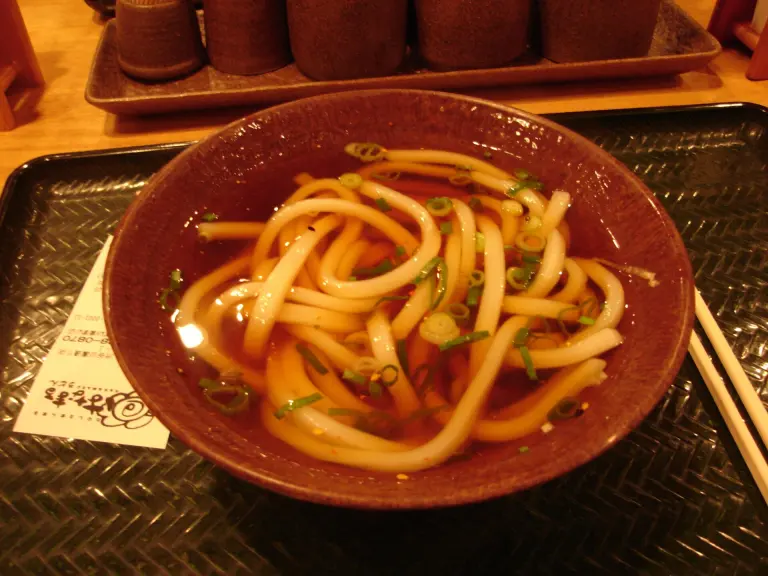
Udon
Udon are Japanese wheat noodles whose width, texture, broth, preparation, and regional forms vary far beyond the familiar thick white bowl.
Udon are Japanese wheat noodles whose width, texture, broth, preparation, and regional forms vary far beyond the familiar thick white bowl.
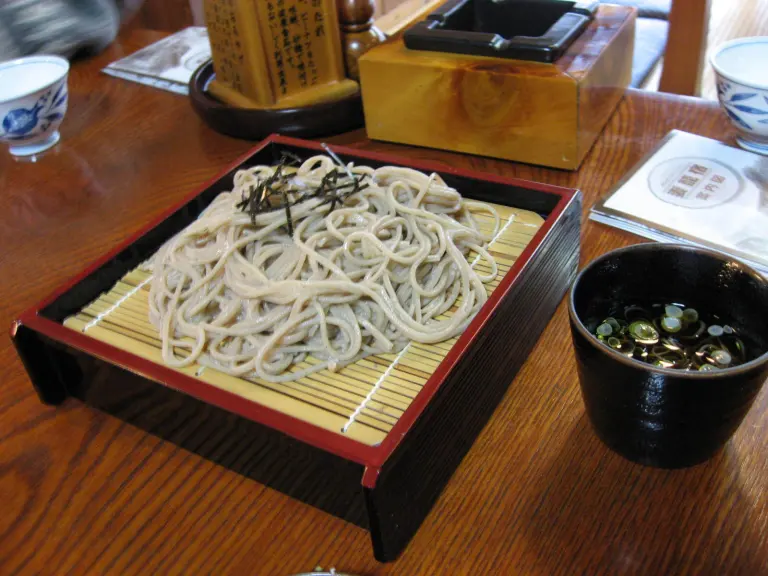
Soba most often means Japanese buckwheat noodles, served chilled or hot, but the word also appears in names for unrelated wheat noodles.
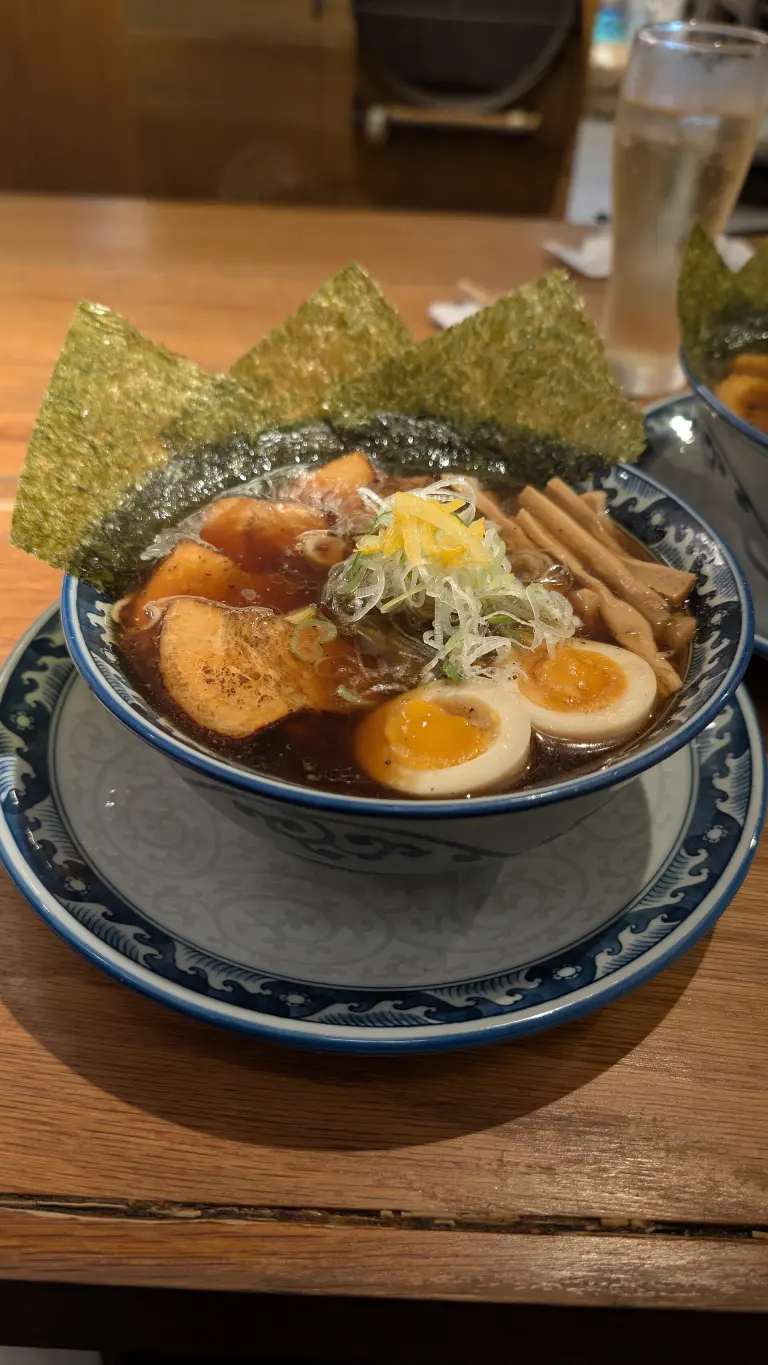
Ramen is a Japanese wheat-noodle dish of Chinese origin, organized around alkaline noodles, seasoned soup or sauce, aromatic oil, and varied toppings.

Japanese noodles comprise distinct wheat, buckwheat, and Chinese-style traditions, including udon, soba, sōmen, and ramen, each with its own ingredients and history.
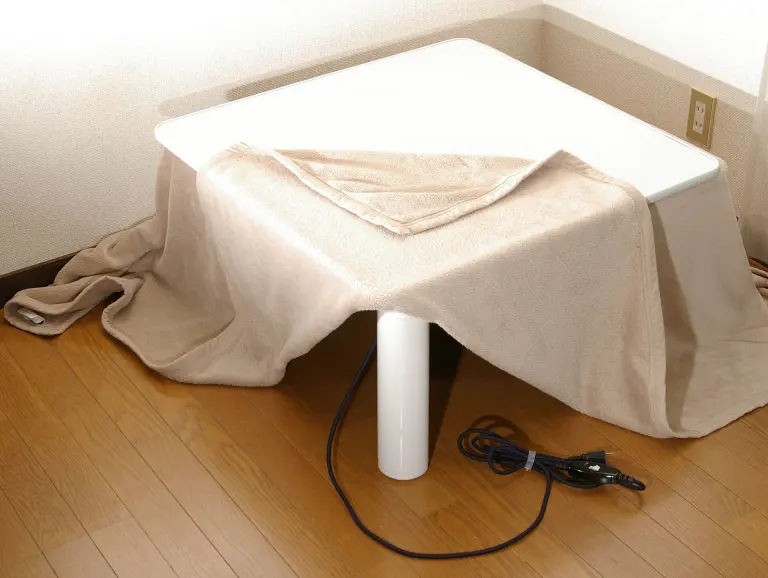
A kotatsu is a low table with a heat source and covering quilt, providing localized warmth and a shared domestic gathering place in winter.
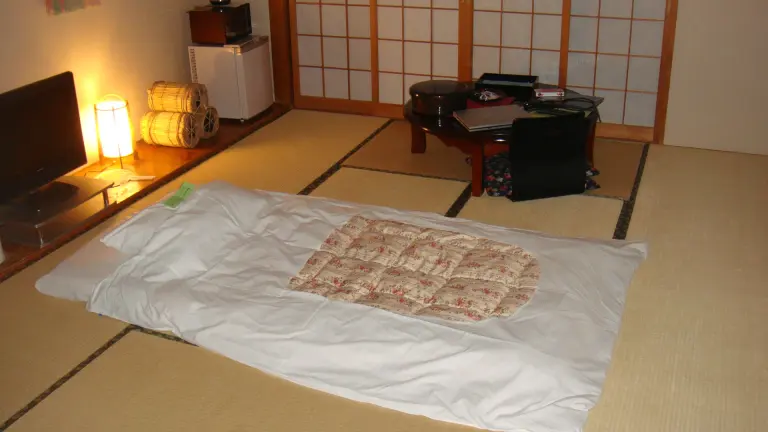
In Japan, futon are portable bedding—especially a floor mattress and quilt—that can be laid on tatami and stored to free the room by day.
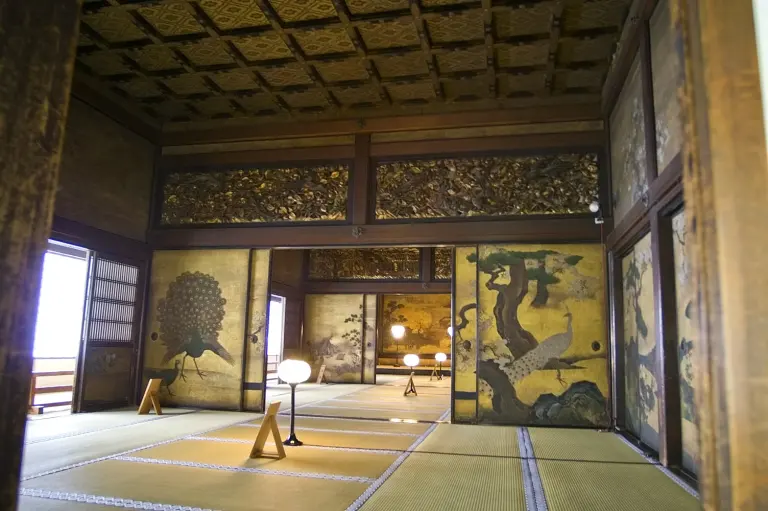
Fusuma are opaque sliding panels used to divide rooms and close storage in Japanese interiors, often carrying paper, textiles, or painting.

Shōji are light-transmitting sliding or fixed fittings that use a lattice and translucent material to shape light, privacy, and movement.
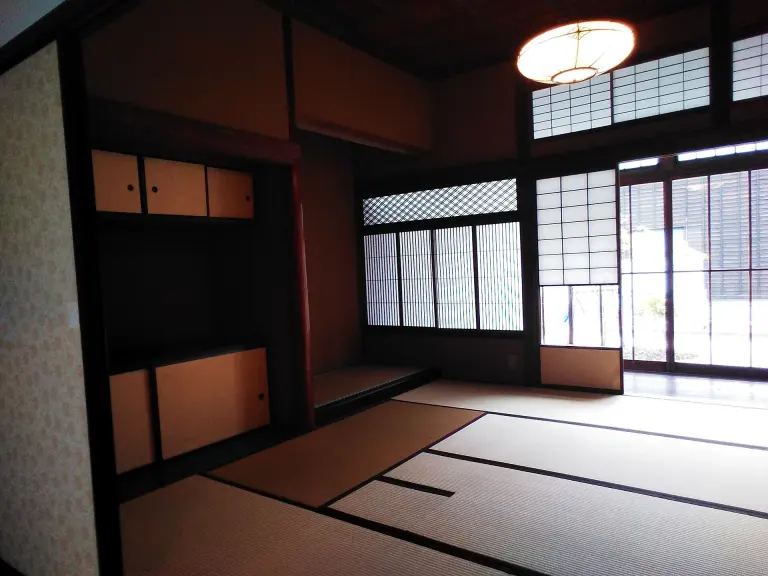
Tatami are modular floor mats whose materials, proportions, arrangement, and uses have helped organize Japanese interior space for centuries.

A Japanese house is not one fixed style but a changing family of dwellings shaped by climate, materials, domestic customs, and modern building systems.