
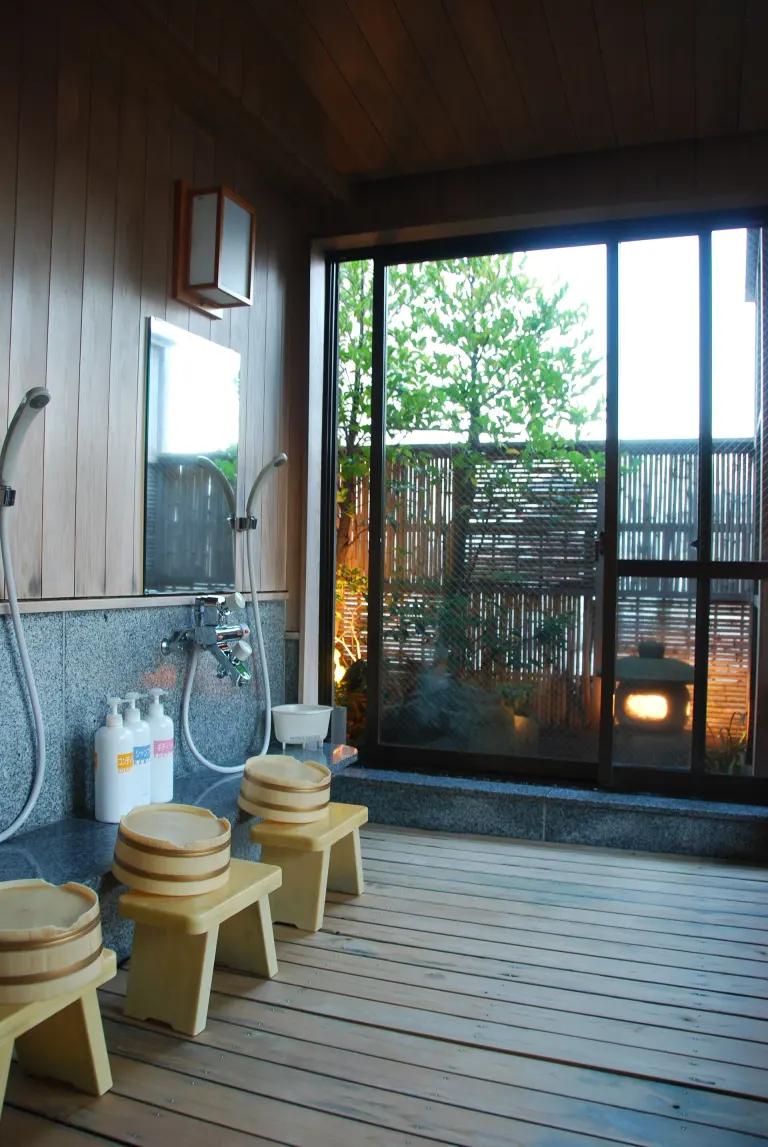
Bathing Etiquette in Japan
Japanese communal-bath etiquette centres on washing before soaking, keeping towels and hair out of shared water, protecting privacy, and following each facility’s rules.
Japanese communal-bath etiquette centres on washing before soaking, keeping towels and hair out of shared water, protecting privacy, and following each facility’s rules.
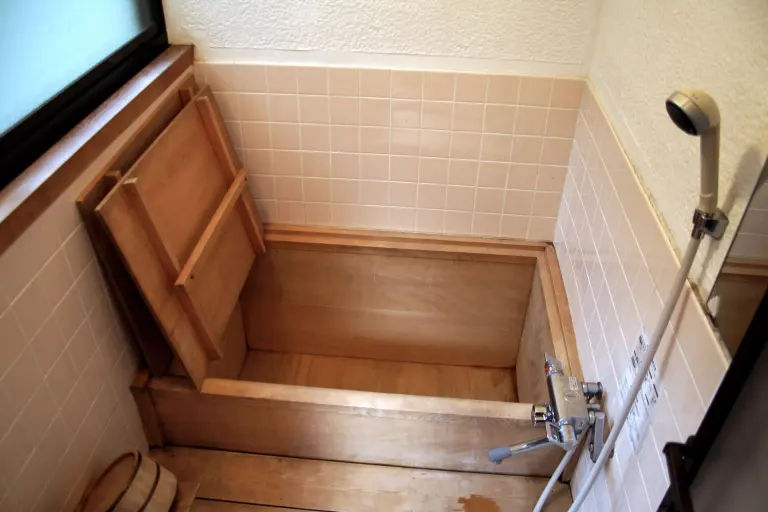
Ofuro is the everyday Japanese term for a bath and commonly evokes the home routine of washing outside a deep tub before soaking in shared clean water.
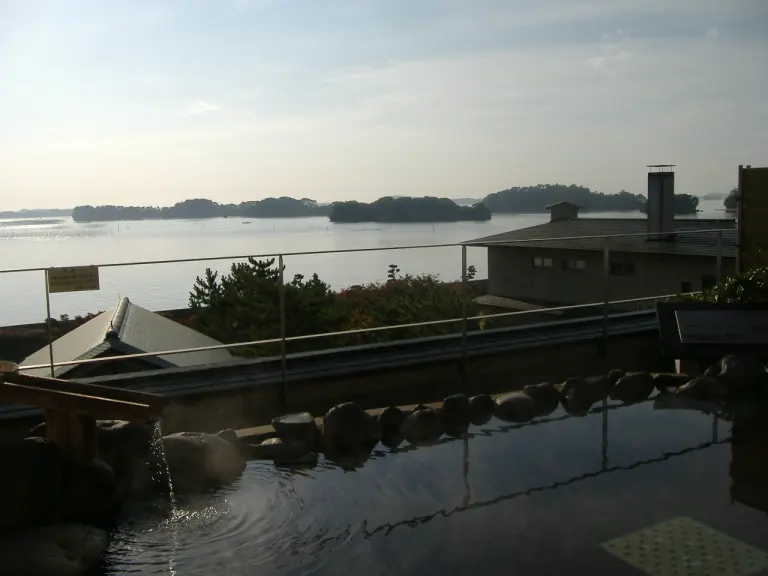
Onsen are Japanese hot springs and the bathing facilities built around qualifying geothermal water, linking geology, law, inns, regional travel, and communal etiquette.
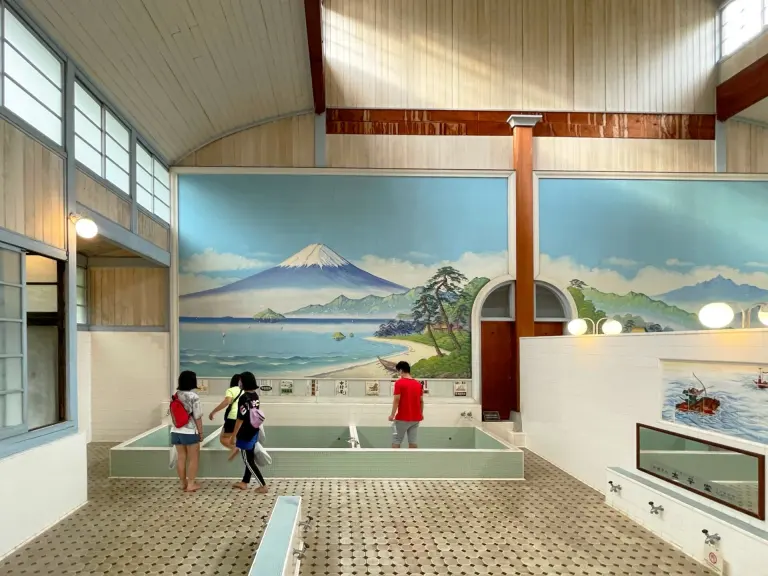
A sento is a Japanese public bathhouse where customers wash and soak, historically serving neighbourhood hygiene, sociability, visual culture, and everyday routine.
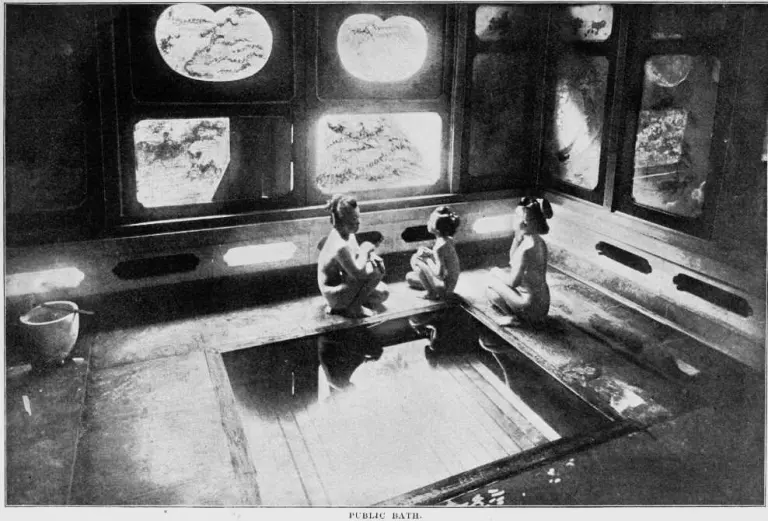
Japanese bathing culture separates washing from soaking and connects the home bath, sento, onsen travel, public health, relaxation, and social custom.
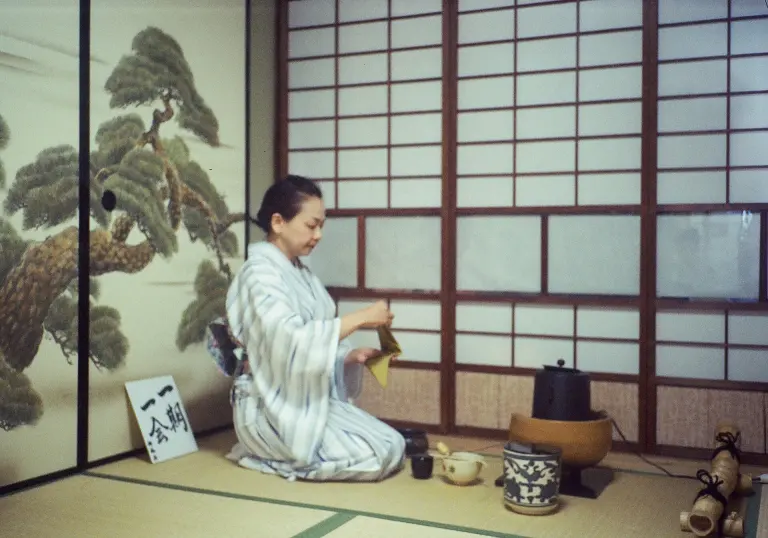
Omotenashi is a Japanese term for receiving and caring for guests through preparation and attention, shaped by domestic, ceremonial, commercial, and tourism settings.
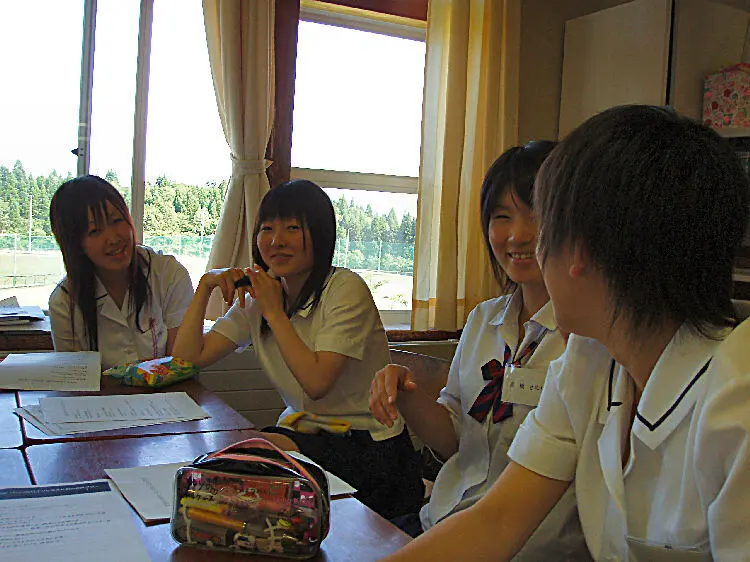
Honne and tatemae contrast inner feeling or intention with a publicly appropriate position, but their relationship varies and should not be equated automatically with deception.

Uchi–soto describes shifting distinctions between inside and outside groups or spaces in Japanese language and social relations, not permanent categories of people.
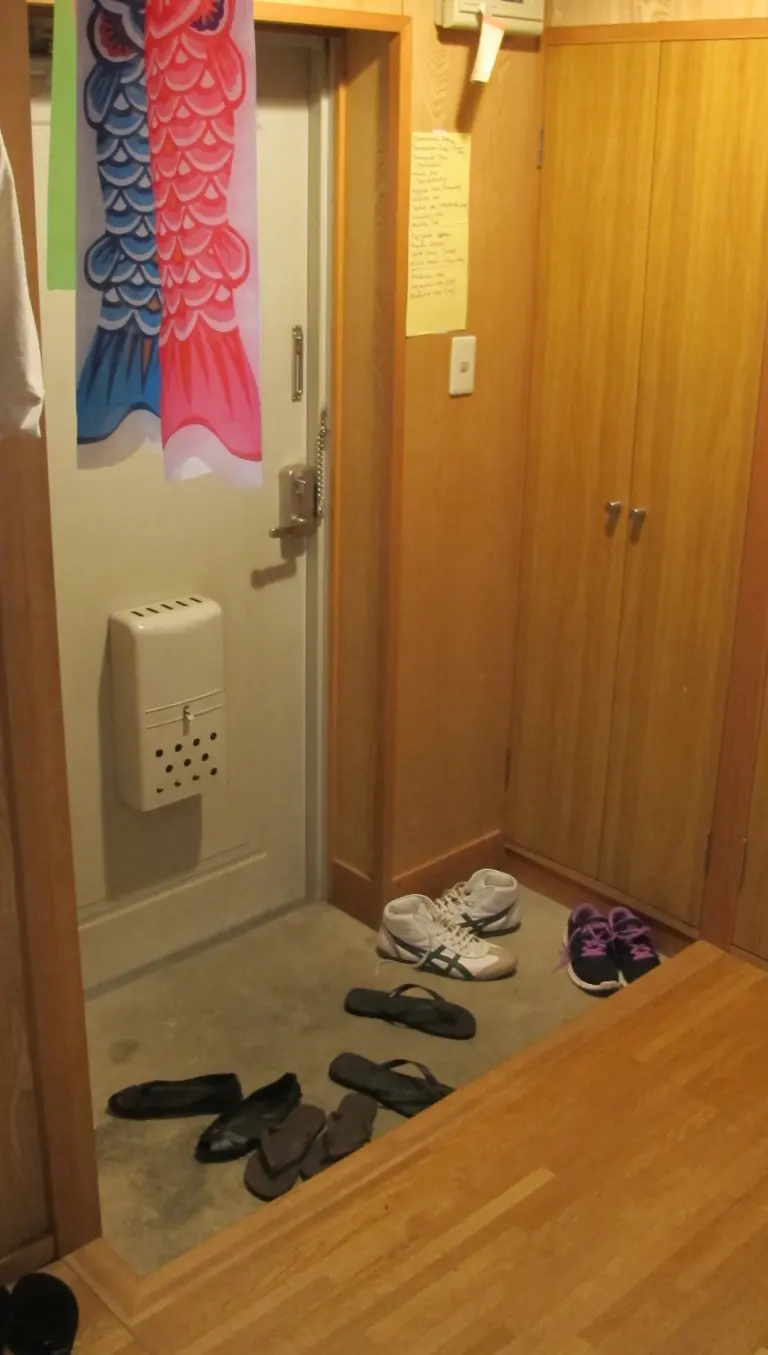
A genkan is the entry zone of a Japanese home or building where outside and raised interior spaces meet and shoes are commonly removed.
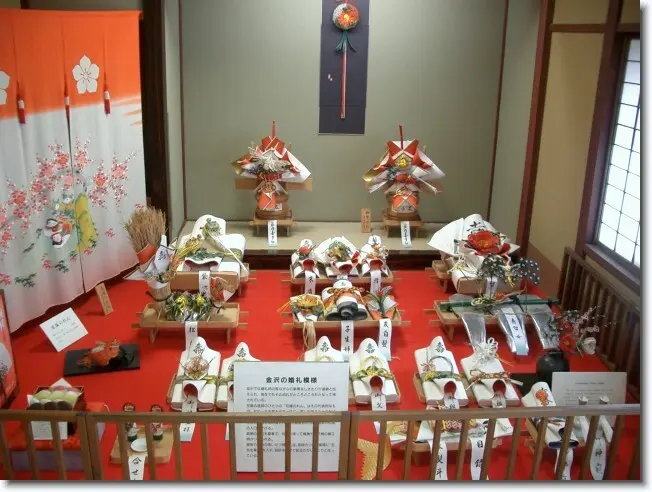
Gift-giving in Japan connects gratitude, celebration, condolence, travel, season, obligation, and reciprocity through choices of object, timing, wrapping, presentation, and return.