Social Customs
Bathing Etiquette in Japan
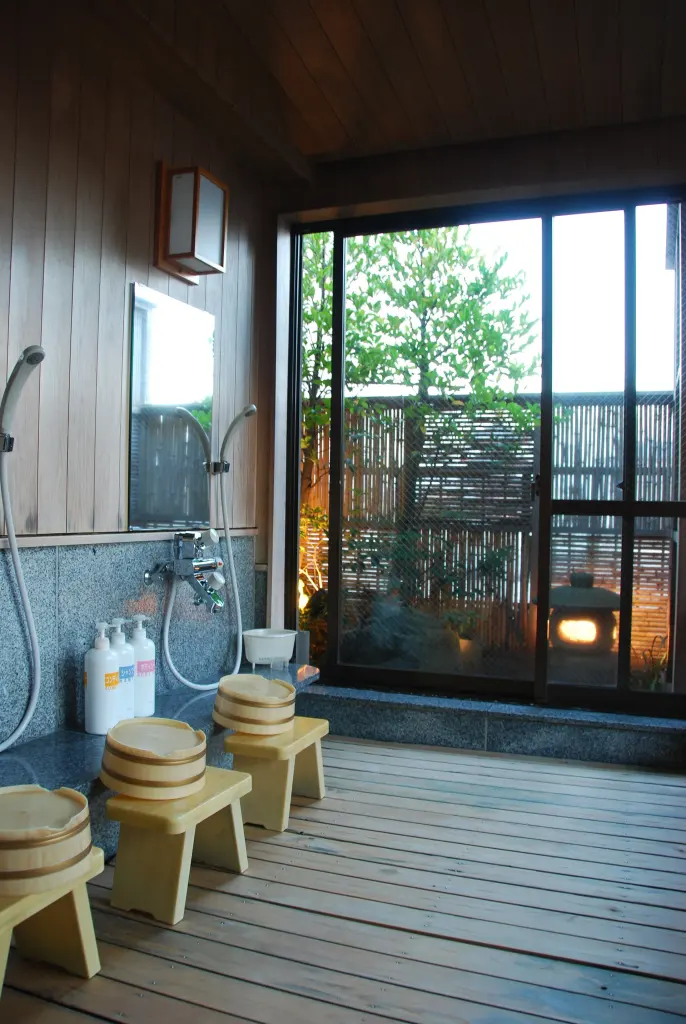
Image: Maarten Heerlien / Wikimedia Commons / Flickr · Creative Commons Attribution 2.0 Generic
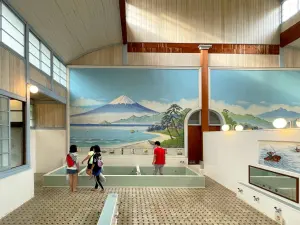
Bathing etiquette in Japan is most visible at sentō, onsen, ryokan baths, and other communal facilities. The core principle is simple: the tub is for soaking in shared clean water, not for washing. Bathers undress in the changing room, wash and rinse at a shower station, enter the water without a swimsuit unless instructed otherwise, and keep towels and long hair out of the tub. Photography is generally prohibited because people are unclothed. Beyond these basics, rules are not completely national or timeless. Tattoo access, amenities, mixed bathing, age limits, sauna procedure, reservation systems, and accommodation for children or disabled bathers vary. Signs and staff at the facility always take priority over a general guide.
Overview
| Main settings | Sento, onsen, ryokan, and communal bath facilities |
|---|---|
| Core principle | Wash and rinse before entering shared water |
| In the tub | No soap, towel, long hair, swimming, or photography |
| Clothing | Usually no swimsuit unless the facility specifies otherwise |
| Variable policies | Tattoos, children, mixed bathing, sauna, amenities, and access |
| Priority | Current facility signs and staff guidance |
Before you visit
Check opening hours, fees, towel and soap provision, payment method, tattoo policy, and accessibility. A ryokan may reserve its baths for guests or rotate rooms by time. Some facilities permit covered tattoos, accept tattoos without restriction, or offer a private bath; others do not. Policies can change, so an old travel post is not reliable evidence of current access.
Entrance and changing room
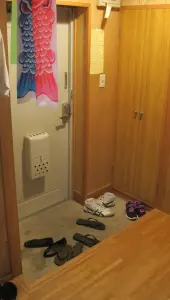
Remove outdoor shoes where the entrance indicates and store them securely. Pay, collect any rented items, and enter the correct changing room. Undress fully unless signs describe a swimsuit area. Store valuables in a locker when available, silence devices, and never take photographs or video. A small towel can accompany you into the bathing room; the larger towel remains dry in the changing area.
Washing area
Sit or stand at an open washing station without splashing neighbours. Wash with soap and shampoo, then rinse the body, hair, stool, and surrounding floor. Return bowls and equipment neatly. A brief rinse may be enough only where the facility explicitly instructs it; visibly entering a shared tub covered in soap or without rinsing breaks the cleanliness convention.
Entering and soaking
Test the temperature and enter slowly. Keep the small towel on the pool edge or folded on the head, not in the water. Tie up long hair, avoid swimming, and leave space around other bathers. Quiet conversation can be normal, especially at a neighbourhood sento, but the bath is not a place for shouting, rough play, or monopolising a tub.
Privacy and shared space
Communal nudity does not remove expectations of privacy. Avoid staring, photographing, or making comments about other bodies. A small towel may be held in front of the body while walking, but it remains outside the tub. Gendered arrangements, family baths, mixed bathing, and policies for transgender visitors differ; contact the facility privately when published guidance is unclear.
Tattoos, children, and access
Tattoo restrictions developed through particular social and business histories and are not enforced uniformly. Do not conceal a tattoo against an explicit rule; ask about covers or private baths instead. Adults remain responsible for children's safety and behaviour. Disabled bathers may need an accessible bath, an assistant, a bathing chair, or a private room, and facilities should be asked about practical support rather than judged by one generic custom.
After the bath
Wipe excess water from the body with the small towel before returning to the changing room. Dry fully, dress, return rented items, and leave lockers and grooming spaces clean. Hydrate after hot bathing. Food, milk drinks, rest areas, and conversation may be part of the experience, but they belong in designated spaces rather than the bathing room.
Health and safety
Avoid bathing after drinking alcohol and do not force yourself to tolerate very hot water. Enter gradually, take breaks, and leave if you feel dizzy, breathless, nauseated, or unwell. Wet floors require care. People with cardiovascular conditions, pregnancy, acute illness, mobility concerns, or other medical risks should follow professional advice and facility warnings. Etiquette never requires risking health.
Sources
- Japan National Tourism Organization, How to Best Enjoy Onsen.
- GO TOKYO, Japanese Bathing Culture: A Guide to Sento.
- Tokyo Sento Association, About Sento.
- Japan National Tourism Organization, Onsen, Tattoos and Etiquette.
- Tokyo Metropolitan Government, Sento: Tradition and Innovation in Tokyo's Public Baths.
- Ministry of Health, Labour and Welfare, Public Bath Houses Act and Bathing Facilities.
- Ministry of the Environment, Overview of the Hot Springs Act.
- Japanese Law Translation, Hot Springs Act.
Last updated:
.jpg)