Social Customs
Sentō
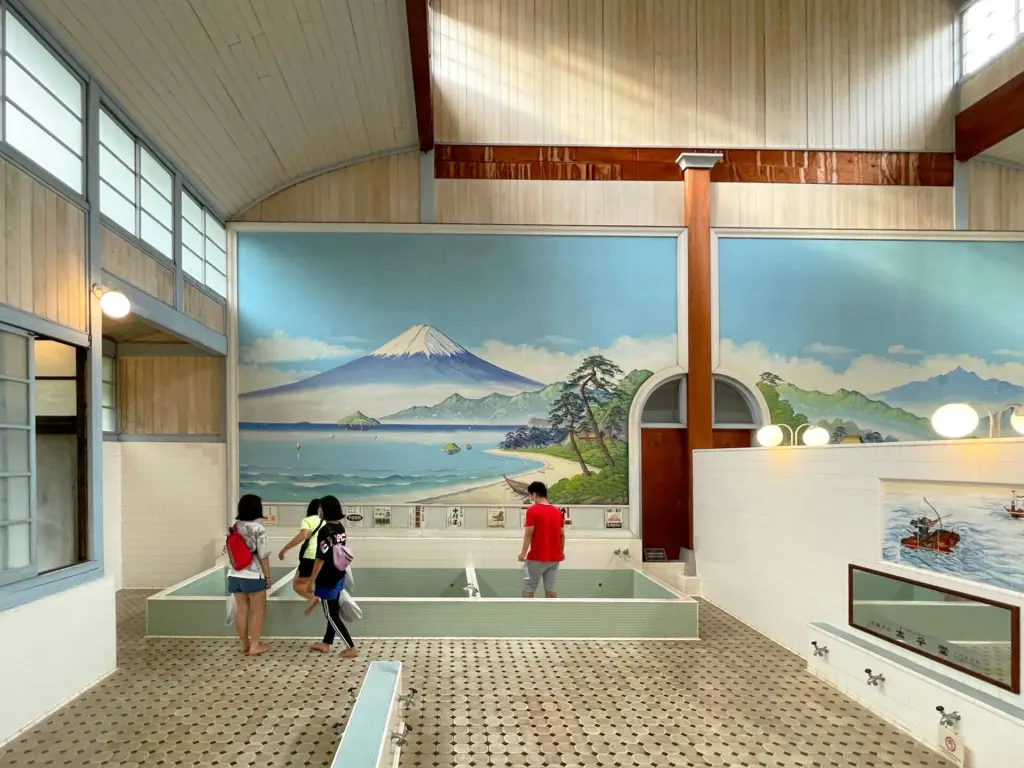
Image: WikiTaro (ウィキ太郎) / Wikimedia Commons · CC0 1.0 Universal
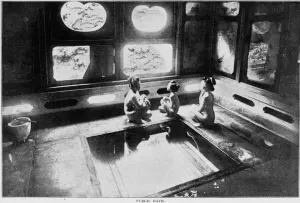
A sentō (銭湯) is a public bathhouse in Japan. Customers pay admission, undress in a changing area, wash at individual stations, and soak in shared tubs. Sento are not defined by natural hot-spring water: many heat ordinary water, while some facilities use mineral-rich or hot-spring water. Their history includes medieval temple bathing, commercial baths in early-modern cities, public-health regulation, and the neighbourhood bathhouses that served homes without private bathrooms. Although the spread of domestic baths reduced everyday dependence on sento, surviving bathhouses remain living businesses rather than museum pieces. Some retain high ceilings, tiled surfaces, painted landscapes, and traditional entrances; others have added saunas, accessibility features, cafés, exhibitions, or new design while preserving the communal bathing sequence.
Overview
| Japanese name | 銭湯 |
|---|---|
| Romanization | Sentō |
| Classification | Public bathhouse |
| Water | Usually heated water; not necessarily a hot spring |
| Legal context | Public Bath Houses Act and local regulation |
| Typical spaces | Entrance, changing room, washing area, and shared tubs |
Definition and name
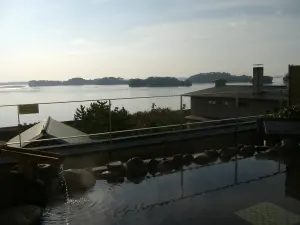
The characters in sentō literally combine coin and hot water, reflecting paid public bathing. The term normally identifies a bathhouse open to the general public rather than a private home bath or a bath restricted to hotel guests. A sento may advertise special water, but natural geothermal water is not required; that is the central distinction from an onsen.
Historical development
Buddhist temple baths helped make bathing available beyond elite households, and commercial bathhouses are documented in medieval and early-modern cities. In Edo, public baths expanded as ordinary urban dwellings often lacked private bathing facilities. Their forms changed from steam-oriented baths toward tubs filled with heated water, while authorities repeatedly regulated operation, gender arrangements, hygiene, and fire risk.
Architecture and visual culture
Many twentieth-century sento developed a sequence of threshold, shoe lockers, payment desk, changing room, washing floor, and tubs. Some Tokyo bathhouses adopted temple-like façades and large painted landscapes, especially Mount Fuji scenes. Tile murals, advertising, garden views, and local decorative traditions vary by region. These features are memorable, but they do not define every sento.
Using a sento
The detailed sequence and its local variations are explained in Bathing Etiquette in Japan.
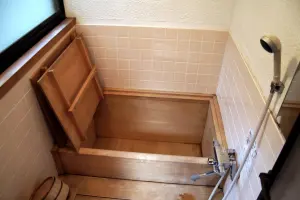
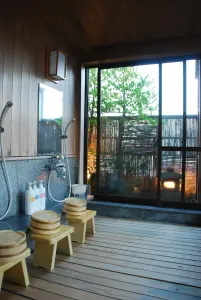
Visitors remove shoes at the entrance, pay or present a ticket, and use the designated changing room. Soap, shampoo, and towels may be provided, sold, rented, or absent. After undressing, bathers wash and rinse at a low shower station before entering a tub. A small towel stays outside the water, and local signs govern tattoos, children, photography, sauna use, and other details.
Law and public health
Operating a public bathhouse requires permission under the Public Bath Houses Act and compliance with prefectural or municipal standards. Regulation addresses water quality, sanitation, ventilation, equipment, and customer safety. Local governments also distinguish ordinary public baths serving residents from other bathing businesses. Exact categories, prices, and operating rules should be checked with the relevant authority because they can change.
Neighbourhood life
Sento historically combined infrastructure and sociability. Regular customers encountered neighbours in the changing and bathing spaces, while operators became part of local commercial life. The bath did not erase differences of age, gender, occupation, or comfort, and the degree of conversation varies. It is more accurate to describe a sento as a shared civic setting than as proof that every bather experiences one unified community.
Decline and reinvention
As private baths became standard in Japanese housing, the number of sento declined. High fuel costs, ageing buildings, succession problems, and changing routines continue to affect operators. Renovated bathhouses have responded with contemporary graphics, events, saunas, barrier-free features, food, art, and multilingual guidance. Reinvention can attract new visitors, but a sento remains a regulated bathing business with everyday users.
Sento, onsen, and super sento
A sento is defined principally by public-bath use, whereas an onsen is defined by its hot-spring source under law. A public bath can therefore be both a sento and an onsen when it uses qualifying spring water. The commercial label super sento usually describes a larger leisure facility with multiple baths and services; it is not a single architectural tradition and should not be confused with every neighbourhood sento.
Sources
- Tokyo Sento Association, History of Sento.
- Kokugakuin University, How Did the Japanese Come to Love Their Baths?.
- Japan National Tourism Organization, Enjoy Bath Culture in Japan.
- Watanabe et al., Physical and Mental Effects of Bathing: A Randomized Intervention Study.
- Tokyo Sento Association, About Sento.
- Tokyo Metropolitan Government, Sento: Tradition and Innovation in Tokyo's Public Baths.
- GO TOKYO, Japanese Bathing Culture: A Guide to Sento.
- Ministry of Health, Labour and Welfare, Public Bath Houses Act and Bathing Facilities.
- Japan National Tourism Organization, How to Best Enjoy Onsen.
- Japan National Tourism Organization, Onsen, Tattoos and Etiquette.
Last updated: