
Ramen Shop Culture in Japan
Ramen shop culture combines specialist cooking, compact dining spaces, ordering systems and regional identities, with customs that vary between individual restaurants.
Ramen shop culture combines specialist cooking, compact dining spaces, ordering systems and regional identities, with customs that vary between individual restaurants.
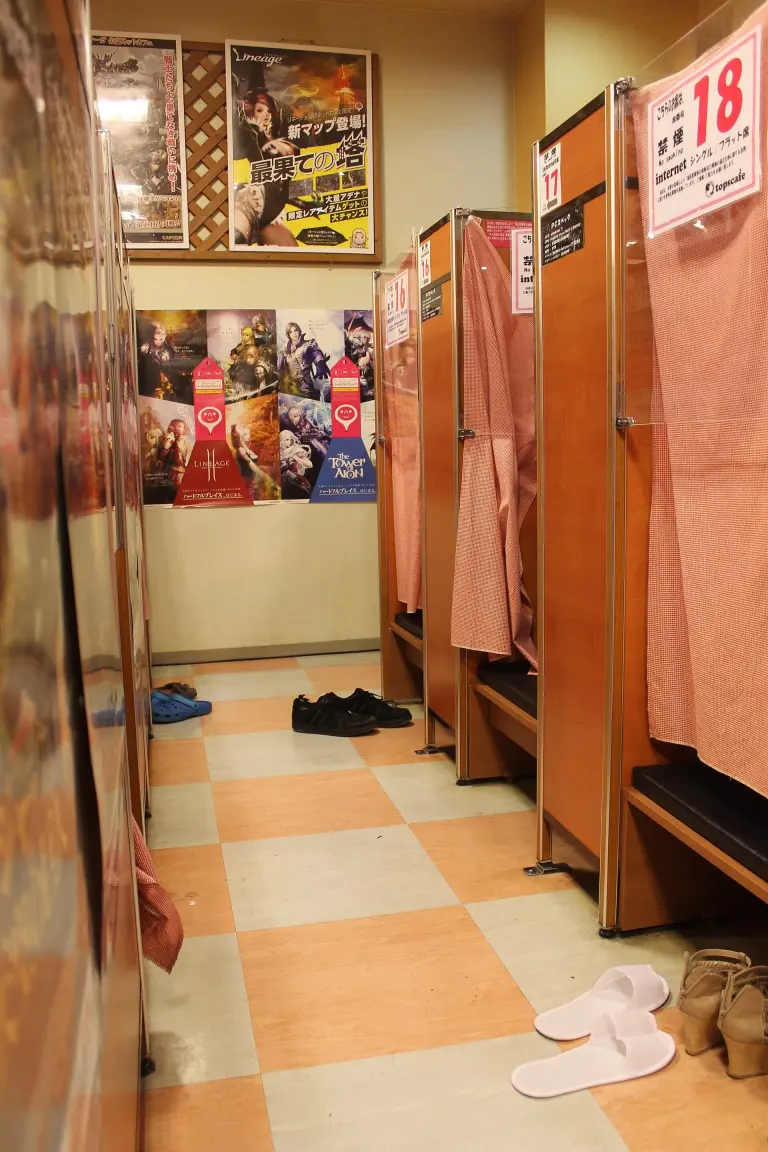
An overview of Japan’s manga kissa, time-charged reading spaces that evolved into multifunction internet cafés with booths, drinks, media, and overnight use.
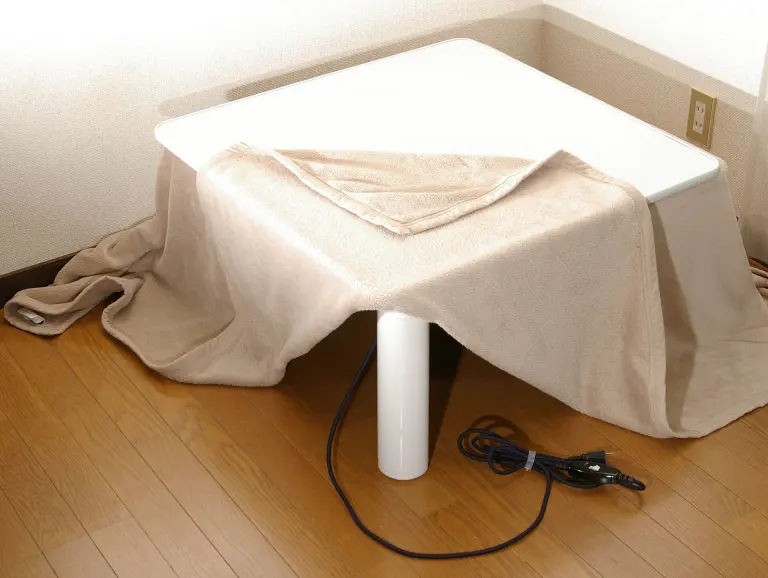
A kotatsu is a low table with a heat source and covering quilt, providing localized warmth and a shared domestic gathering place in winter.
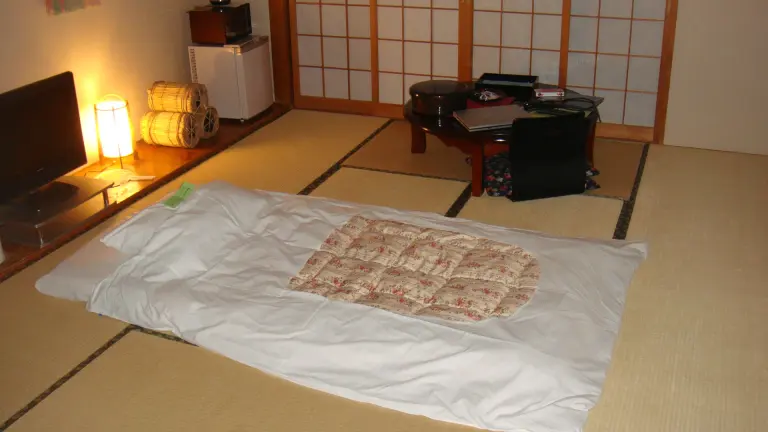
In Japan, futon are portable bedding—especially a floor mattress and quilt—that can be laid on tatami and stored to free the room by day.
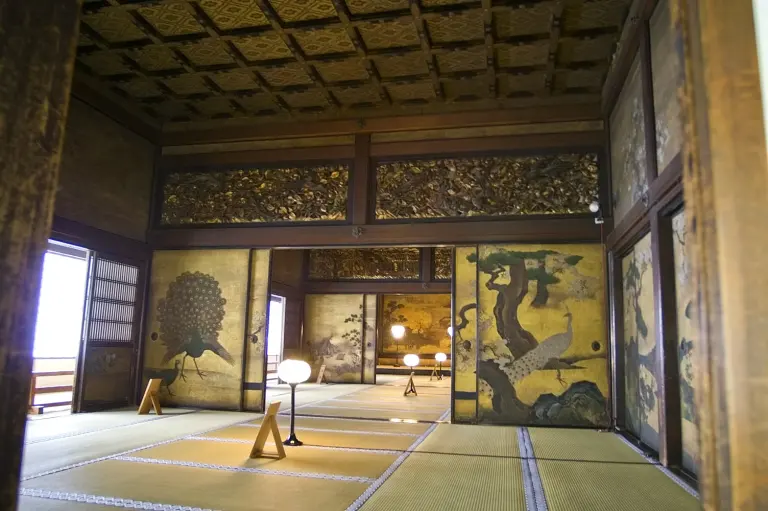
Fusuma are opaque sliding panels used to divide rooms and close storage in Japanese interiors, often carrying paper, textiles, or painting.

Shōji are light-transmitting sliding or fixed fittings that use a lattice and translucent material to shape light, privacy, and movement.
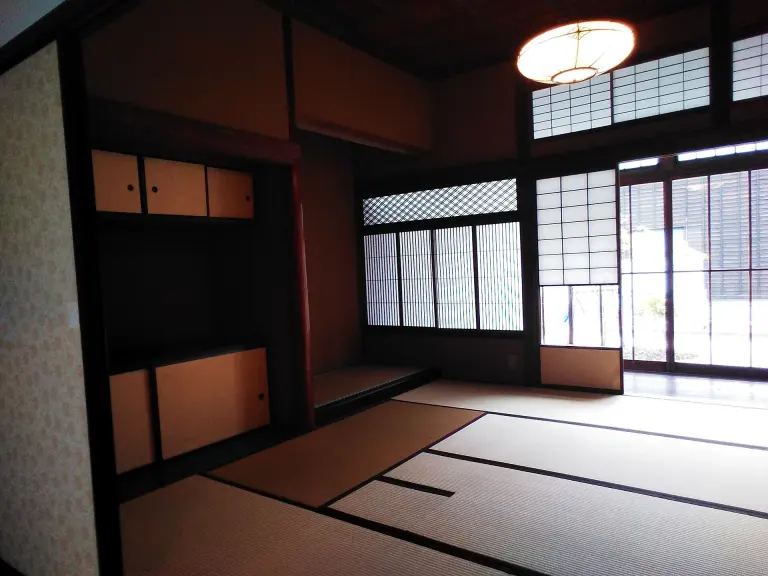
Tatami are modular floor mats whose materials, proportions, arrangement, and uses have helped organize Japanese interior space for centuries.

A Japanese house is not one fixed style but a changing family of dwellings shaped by climate, materials, domestic customs, and modern building systems.

Ofuro is the everyday Japanese term for a bath and commonly evokes the home routine of washing outside a deep tub before soaking in shared clean water.
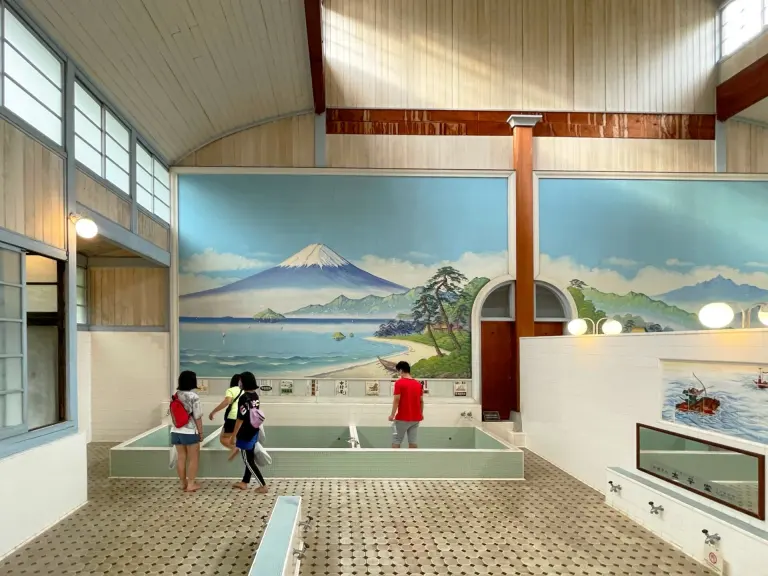
A sento is a Japanese public bathhouse where customers wash and soak, historically serving neighbourhood hygiene, sociability, visual culture, and everyday routine.