Social Customs
Gift-giving in Japan
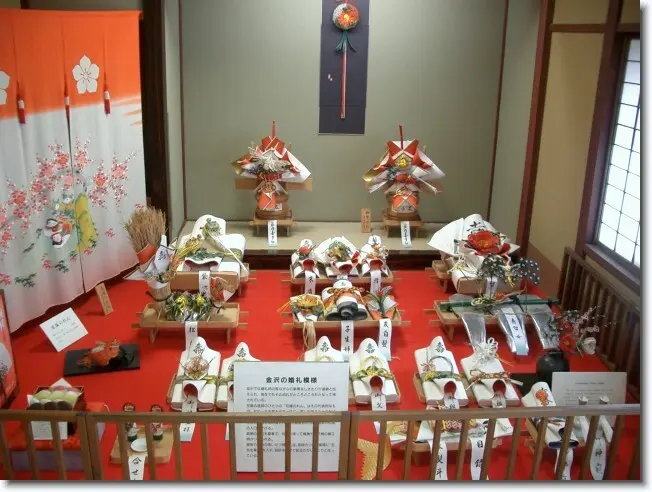
Image: Alpha / Wikimedia Commons / Flickr · Creative Commons Attribution-ShareAlike 2.0
Gift-giving in Japan includes many practices rather than one etiquette code. People may offer gifts for weddings, funerals, births, visits, travel, seasonal exchange, business, thanks, apology, or return obligation. The object matters, but timing, wrapping, words, relationship, and occasion often carry equal weight. Familiar categories include omiyage from a journey, midyear ochugen, year-end oseibo, formal money envelopes, and okaeshi return gifts. Decorative paper, noshi, and mizuhiki knots can identify auspicious or condolence contexts; using the wrong form may therefore confuse the message. Practices vary by region, generation, workplace, household, and degree of formality, and many people simplify or decline customary exchanges. Gift culture should not be reduced to compulsory reciprocity: affection, gratitude, commerce, social pressure, and care can coexist in the same act.
Overview
| Japanese expression | 贈り物 (okurimono) |
|---|---|
| Common occasions | Visits, travel, seasons, celebrations, condolences, and thanks |
| Seasonal exchanges | Ochūgen and oseibo |
| Travel gift | Omiyage |
| Return gift | Okaeshi |
| Formal wrapping | Noshi, mizuhiki, and occasion-specific envelopes |
Gifts as relationships
A gift can acknowledge help, maintain a relationship, share a place or season, or mark a transition. Its social meaning is not contained in price alone. Modest consumption goods are often useful because they can be shared and do not impose long-term storage on the recipient.
Annual and seasonal gifts
Nengajō are New Year greeting cards rather than gifts in a narrow material sense, but they similarly renew family, professional, and community relationships through seasonal exchange.
Ochugen and oseibo are midyear and year-end gifts associated with gratitude to people or organisations. Department stores and delivery services helped standardise these exchanges. Participation has changed with employment patterns and household preferences, and they are neither mandatory nor equally common everywhere.
Omiyage and visits
Omiyage commonly refers to items brought back from travel for family, friends, or colleagues, often locally branded sweets in shareable packaging. A small temiyage may be carried when visiting a home or business. The terms overlap in casual speech but point to different situations of travel and direct visiting.
Wrapping, noshi, and mizuhiki
Presentation can signal the event before a package is opened. Red-and-white or gold cords are associated with auspicious use, while black-and-white combinations may mark condolence. Knot form can imply whether an occasion should recur. Shops usually ask the purpose and can prepare suitable wrapping when formality matters.
Money gifts
Cash is customary in settings such as weddings, funerals, births, and school entry, placed in an appropriate envelope. Amount, newness of banknotes, writing, and envelope design vary by occasion. Because expectations change, local or host guidance is preferable to applying one internet chart mechanically.
Receiving and returning
Gifts are commonly offered and received with both hands and words that reduce display by the giver. Immediate opening depends on context and the recipient may ask. Okaeshi describes a return gift, but timing and proportion vary. Reciprocity can express care while also creating pressure, which is why some groups explicitly limit exchanges.
Change and commercialization
Retail calendars, catalogues, delivery networks, corporate rules, and online shopping shape modern gift practice. Regional crafts and foods gain new markets through gifting, while concerns about waste and obligation encourage smaller, consumable, or digital alternatives. Historical continuity and commercial reinvention are intertwined.
Sources
Last updated: