
Crafts & Skills
Washi
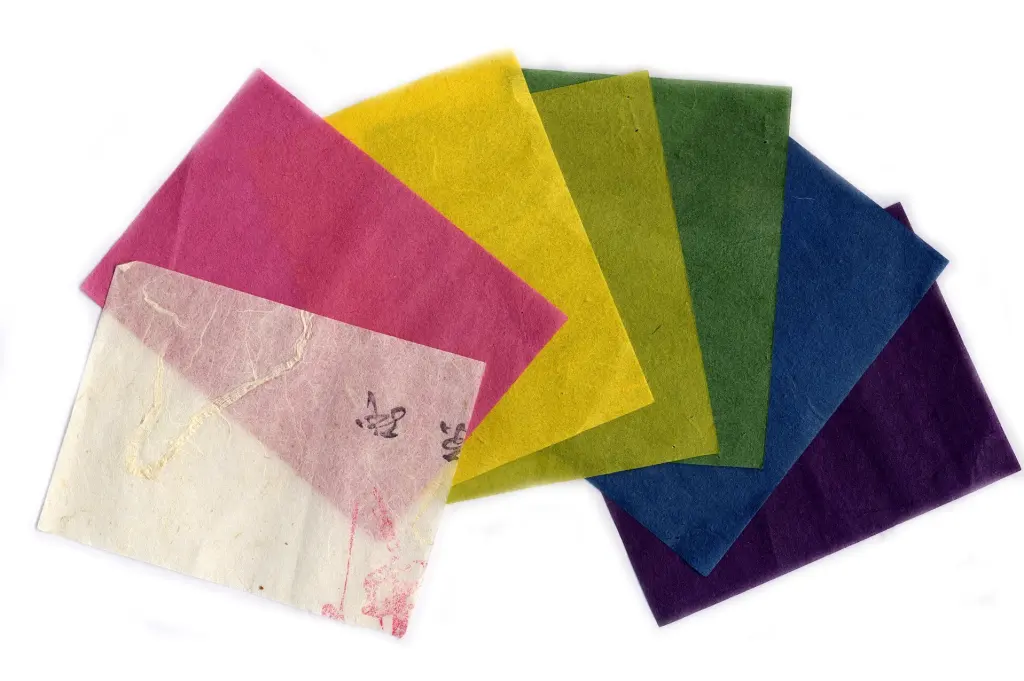
Image: Tomomarusan / Wikimedia Commons · Creative Commons Attribution 2.5 Generic
Washi (和紙) is a broad Japanese term for paper associated with indigenous materials, techniques, and uses. Traditional handmade varieties commonly use the inner bark fibres of kōzo, mitsumata, or gampi, dispersed in water and formed into sheets on a screen. Long fibres and careful processing can produce paper that is strong, flexible, translucent, and durable. Washi has served writing, books, Buddhist texts, prints, folding, clothing, umbrellas, lanterns, and architectural fittings such as shōji. The word does not identify one material or one uniform method: regional papers differ in fibre, formation, thickness, surface, and purpose, and modern products labelled washi may include machine production or mixed fibres. UNESCO recognition applies to specified community traditions, not to every paper sold under the name.
Overview
| Japanese name | 和紙 |
|---|---|
| Romanization | Washi |
| Principal fibres | Kōzo, mitsumata, and gampi |
| Characteristic process | Sheet formation from dispersed bast fibres |
| Historic uses | Documents, books, prints, screens, and craft |
| UNESCO scope | Specified handmade papermaking communities |
Name and scope
Washi combines wa, meaning Japanese, and shi, meaning paper. It is often translated as traditional Japanese paper, but the category is wider than a single heritage process. Handmade regional papers, workshop products, conservation tissues, art papers, and some machine-made papers may all be described as washi. Accurate description therefore identifies the fibre, place, maker, and manufacturing method when these are known.
Fibres and preparation
Kōzo, a paper-mulberry relative, supplies long and strong bast fibres and is the most widely used traditional raw material. Mitsumata produces a smoother, fine-grained sheet, while gampi is valued for a naturally lustrous, dense surface. After harvesting, the outer bark is removed, the inner fibre is cooked, washed, cleaned, and beaten. Regional practice varies, and modern workshops may use different alkalis, bleaching choices, imported fibre, or prepared pulp.
Sheet formation
In nagashizuki, fibre suspended in water is moved repeatedly across a flexible screen. A viscous formation aid, traditionally obtained from plants such as tororo-aoi, slows drainage and helps distribute the long fibres. Layers accumulate as the papermaker rocks and drains the mould. Other formation methods also exist, so the familiar flowing motion should not be treated as the only way Japanese paper has been made.
History and regional production
Papermaking entered Japan through continental East Asia and expanded as government, Buddhist institutions, and literate culture required records and texts. By the Nara period, production was promoted in many provinces. Later domains supported paper as a local industry. Echizen, Mino, Sekishū, Tosa, and many other places developed named papers, but their histories and present production conditions are distinct rather than variations of one national workshop system.
Uses in art and daily life
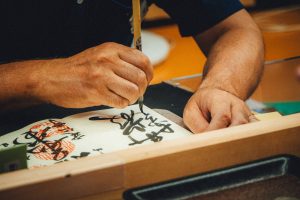
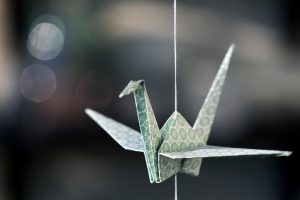
Washi supports Shodō, ink painting, woodblock printing, bookmaking, and Origami. Its diffusion of light made it important for shōji and lamps, while tougher papers were used for fans, umbrellas, cords, stencils, and reinforced objects. Choice of paper affects absorption, line quality, folding, translucency, and strength; no single sheet is ideal for every use.
Conservation and longevity
The frequent rotation of works on paper at the Tokyo National Museum demonstrates how light exposure, mounting, storage, and environmental control shape the long-term care of washi-based objects.
Strong, thin Japanese papers are used internationally to repair books, documents, and works of art. Conservators select fibre, weight, colour, and surface according to the object and use reversible adhesives where appropriate. Longevity is not automatic: impurities, acidic sizing, poor storage, light, moisture, and handling can damage any paper. Conservation-grade washi is chosen and tested rather than assumed safe because of its name.
Heritage and contemporary practice
UNESCO has recognised community knowledge connected with selected handmade traditions, including Sekishū-banshi, Hon-minoshi, and Hosokawa-shi, within a broader evolving nomination. The recognition concerns skills, transmission, local participation, and sustainable practice. Contemporary makers also develop architectural panels, clothing, print papers, and artworks. Heritage preservation and technical innovation coexist, although declining demand and the supply of domestic fibre remain continuing challenges.
Sources
Last updated:

.JPG)