
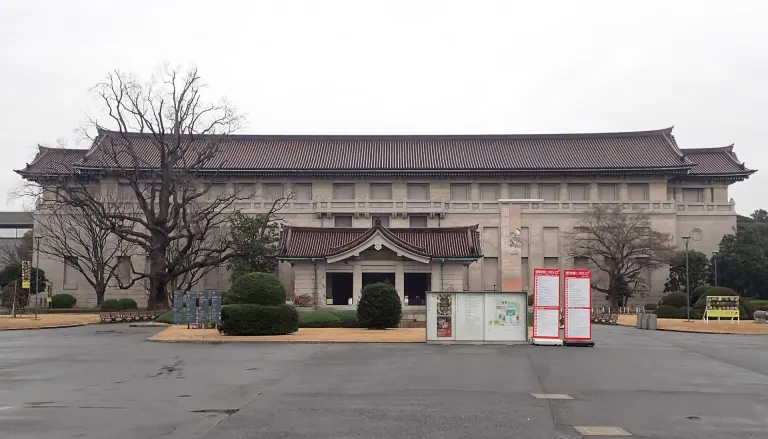
Tokyo National Museum
Japan’s oldest national museum, collecting, conserving, researching, and exhibiting Asian art and archaeology with a central focus on Japan.
Japan’s oldest national museum, collecting, conserving, researching, and exhibiting Asian art and archaeology with a central focus on Japan.
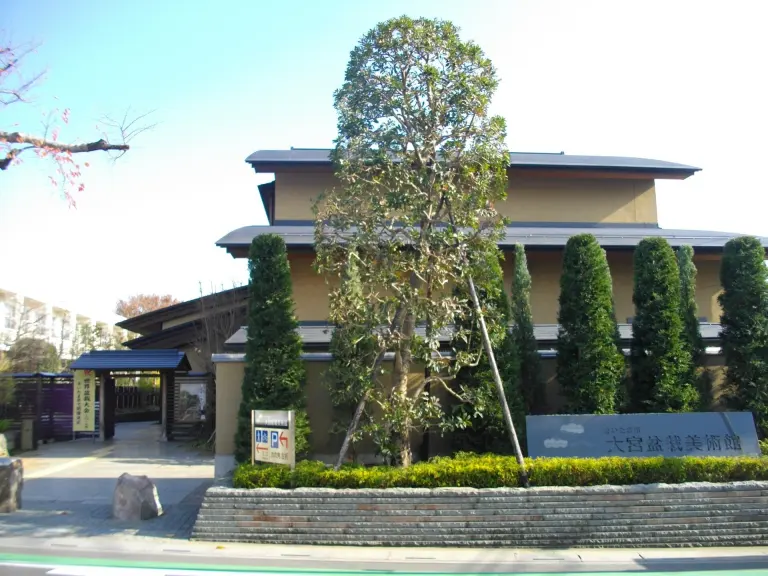
A municipal museum beside Omiya Bonsai Village that exhibits living bonsai alongside pots, suiseki, paintings, documents, and research.
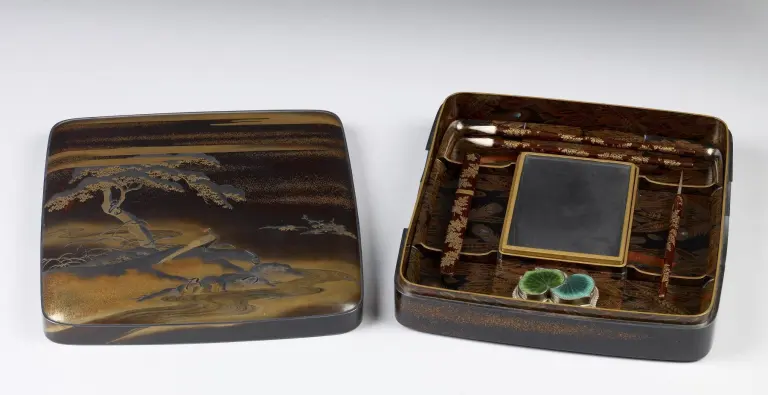
Japanese calligraphy tools include fude brushes, sumi ink, washi paper and suzuri inkstones, supported by water droppers, paperweights and seals.
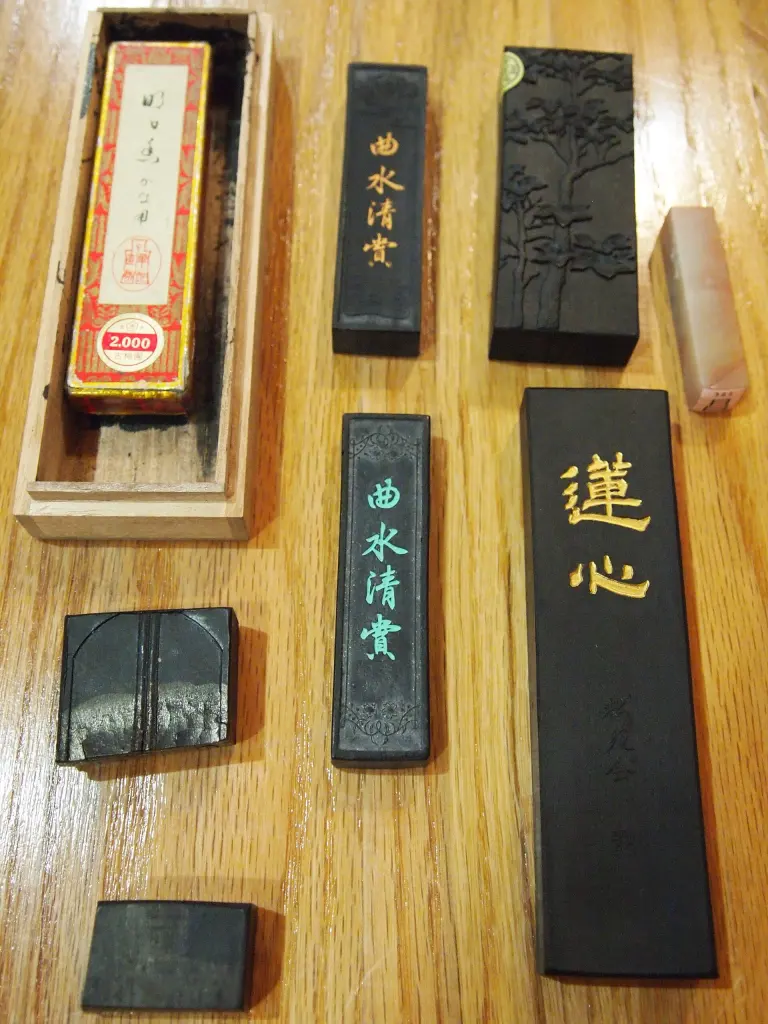
Sumi is solid carbon ink traditionally made from soot and animal glue, ground with water on an inkstone for Japanese calligraphy and painting.
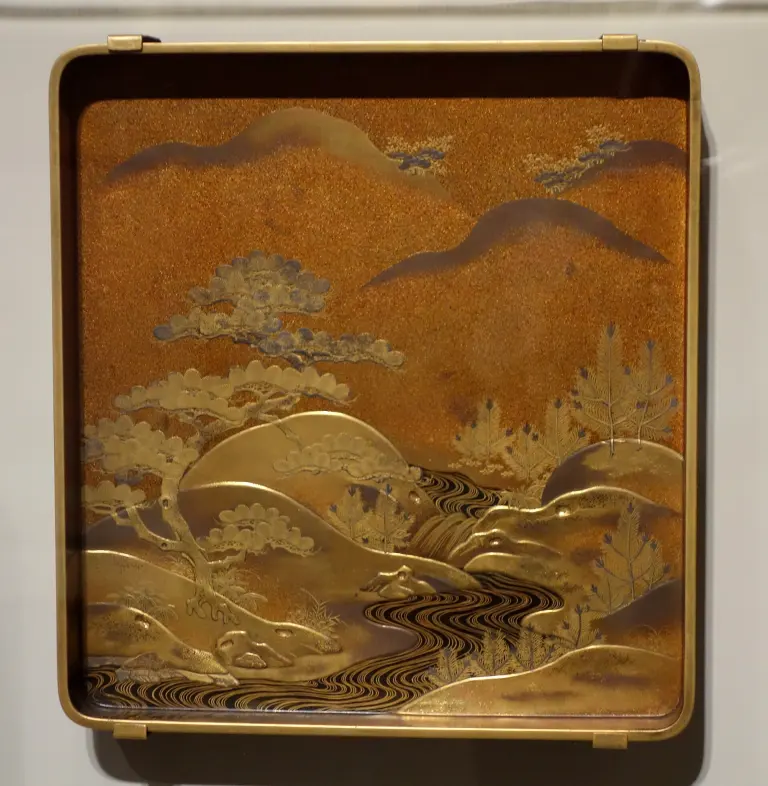
Maki-e is a Japanese lacquer technique that decorates wet urushi with gold or silver powder, then develops the design through layering and polishing.
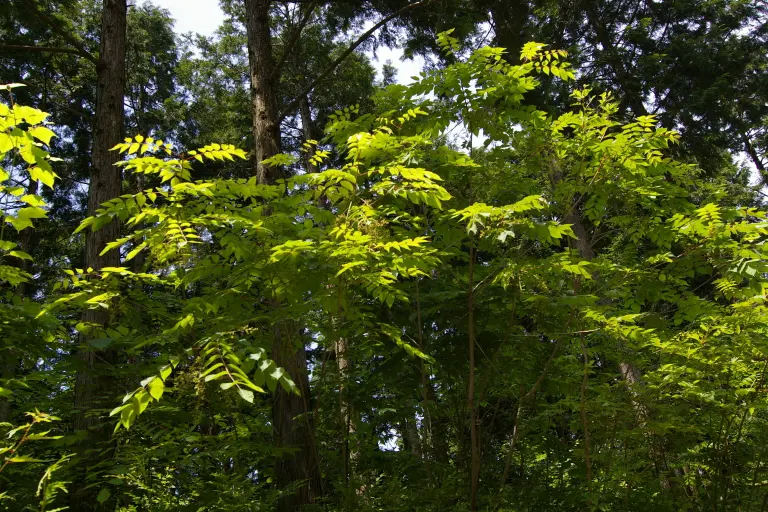
Urushi is natural lacquer obtained from the lacquer tree and used in Japan as a coating, adhesive, structural material, and ground for decoration.
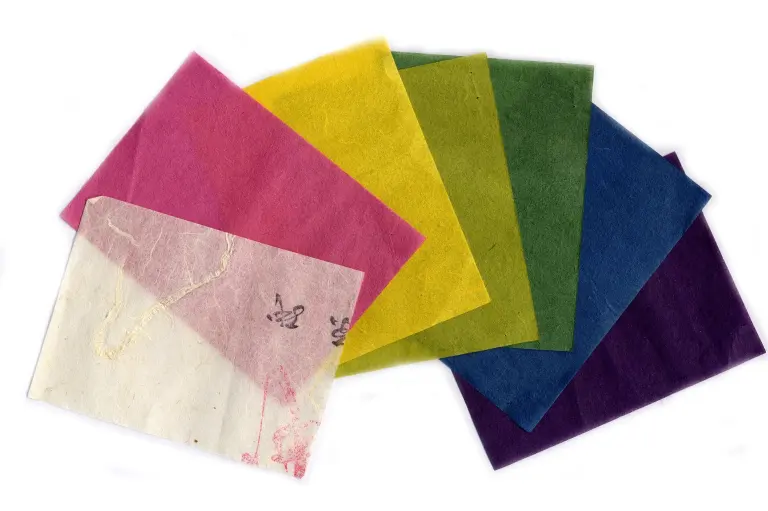
Washi is Japanese paper made through varied hand and machine processes, especially traditions using long plant fibres such as kōzo, mitsumata, and gampi.
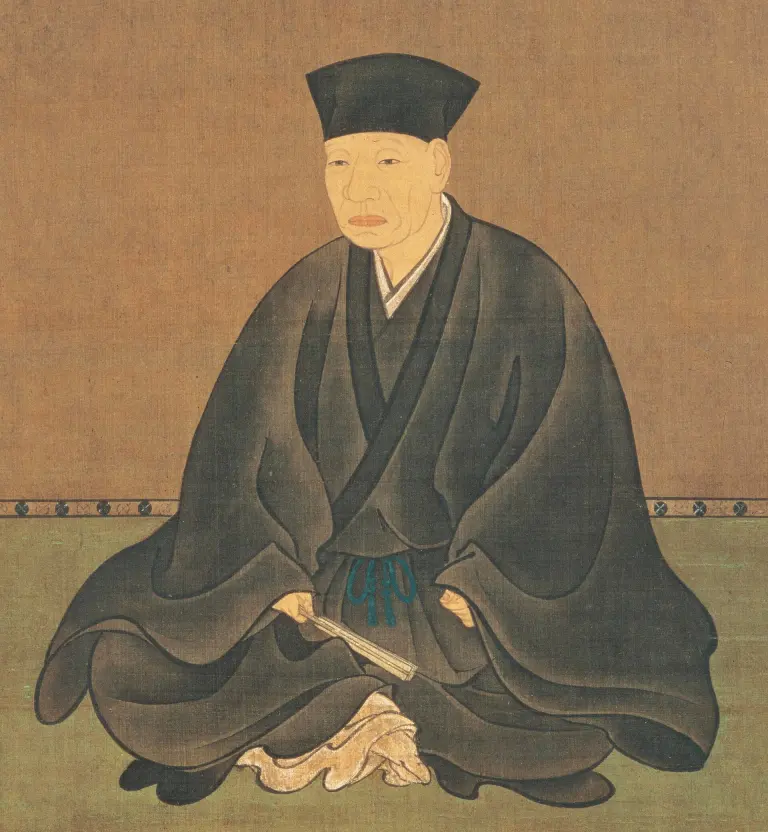
Sen no Rikyū was a sixteenth-century tea master whose wabi-cha practice reshaped Japanese tea rooms, utensils, hospitality, and cultural memory.
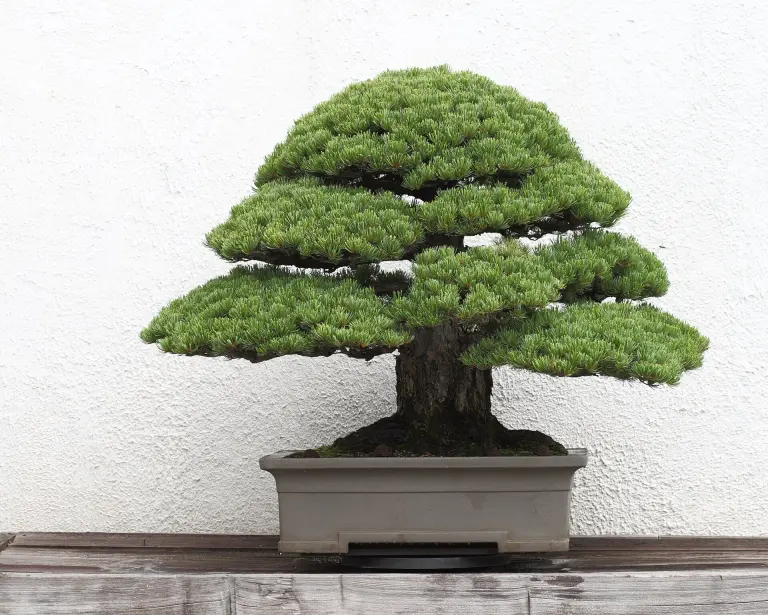
Bonsai is the long-term cultivation and display of trees in containers as living compositions shaped through horticulture and aesthetic judgement.
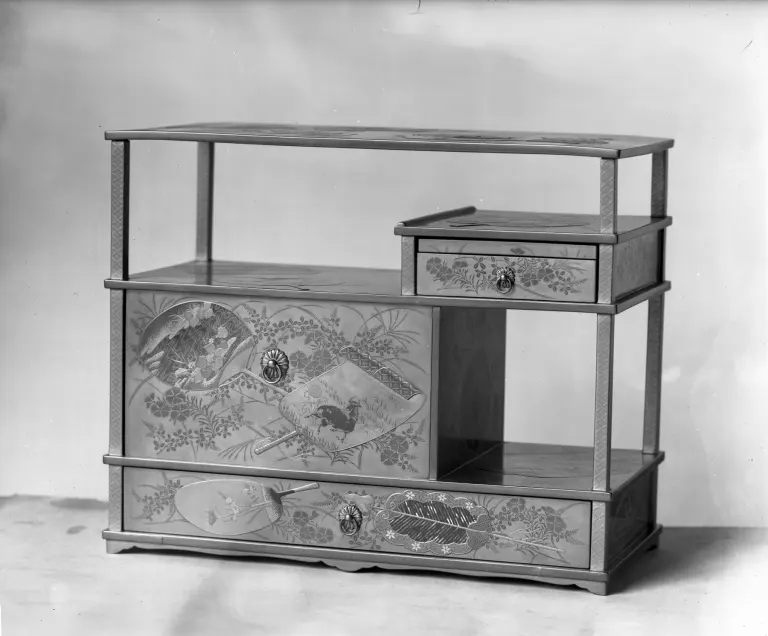
Kōdō is the Japanese art of appreciating fragrant woods through formal listening procedures, literary associations, utensils, and incense games.