Places
Omiya Bonsai Art Museum
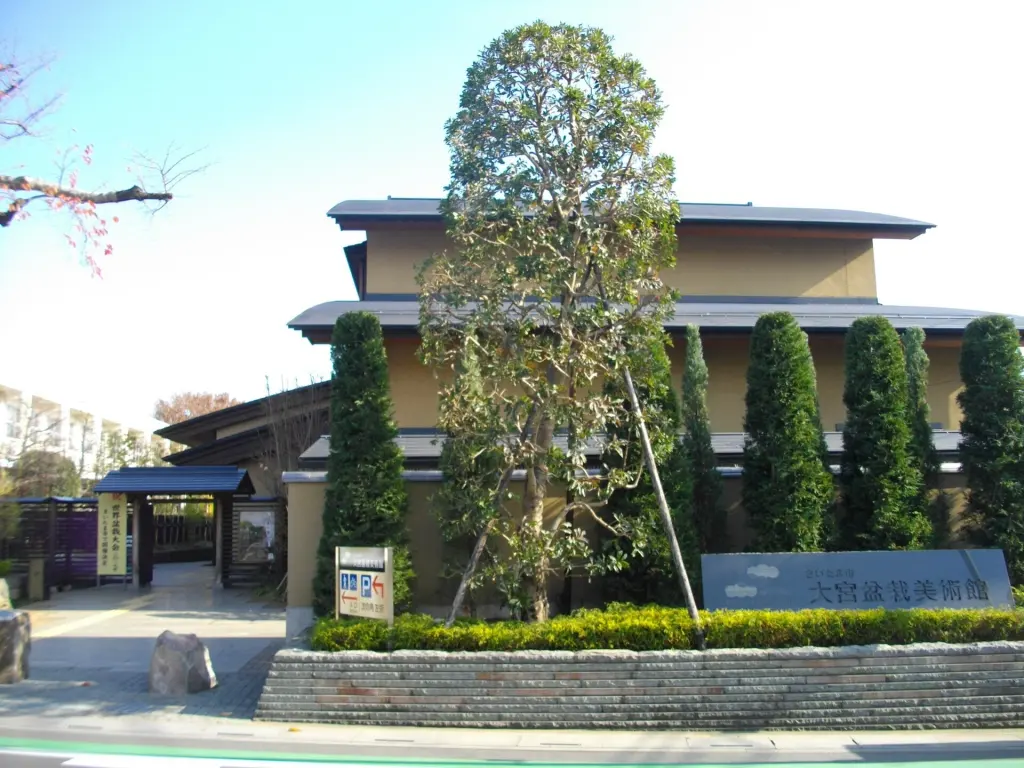
Image: Abasaa / Wikimedia Commons · Public domain
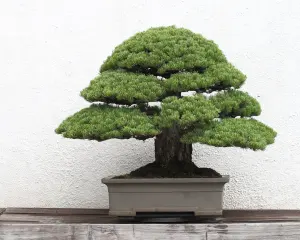
The Omiya Bonsai Art Museum is a municipal museum in Saitama City devoted to the artistic, horticultural, historical, and material cultures of bonsai. Opened in 2010 beside Omiya Bonsai Village, it was established around works from the former Takagi Bonsai Museum of Art and presents living trees together with containers, suiseki viewing stones, paintings, prints, and documentary materials. Its galleries and outdoor garden change with the seasons because bonsai are living organisms rather than static collection objects. The museum is often described as the world’s first publicly operated bonsai museum, but its significance also lies in how it connects public display and scholarship with the working nurseries and community history of Omiya Bonsai Village.
Overview
| Japanese name | さいたま市大宮盆栽美術館 |
|---|---|
| Type | Municipal art museum |
| Location | Toro-chō, Kita, Saitama City |
| Opened | March 2010 |
| Main subject | Bonsai culture |
| Collection nucleus | Former Takagi Bonsai Museum of Art |
| Displays | Living bonsai, pots, suiseki, paintings, and documents |
| Nearby district | Omiya Bonsai Village |
Foundation and purpose
Saitama City opened the museum in 2010 to collect, research, exhibit, and communicate the culture of bonsai. The former Takagi Bonsai Museum of Art collection formed an important nucleus. From the beginning, the institution treated bonsai through several disciplines at once, including art history, craft history, horticulture, folklore, and the practical knowledge needed to care for living trees.
Omiya Bonsai Village
The museum stands near Omiya Bonsai Village, established in 1925 by bonsai gardeners who moved from Tokyo after the 1923 Great Kantō Earthquake. The district developed as a community of specialist nurseries within the Musashino landscape. Several gardens remain active, so the museum is not an isolated display facility: it serves as an interpretive gateway to a neighborhood where bonsai are cultivated, traded, taught, and maintained.
Collection and related arts
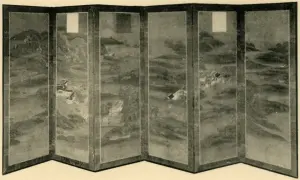
The collection includes distinguished bonsai as well as the objects and images that shape their interpretation. Pots influence proportion, color, and seasonal presentation; suiseki evoke landscape through naturally formed stones; paintings and ukiyo-e show historical display practices; and documents record exhibitions, nurseries, terminology, and changing ideas of bonsai. These materials prevent the living tree from being treated as the only meaningful object.
Living displays
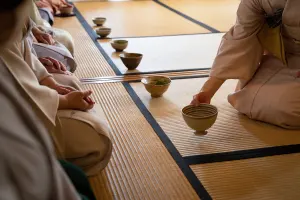
Bonsai in the collection gallery and garden are rotated according to health, season, flowering, foliage, and curatorial purpose. Indoor display may include formal arrangements in a tatami-room setting, while the outdoor garden allows trees to be viewed from multiple directions. Because the objects continue to grow, watering, pruning, repotting, light, temperature, and pest management are part of collection care.
Ways of looking
The museum explains features such as trunk movement, roots, branch structure, deadwood, pot choice, and the suggestion of scale or age. These are viewing tools rather than a formula that makes every bonsai conform to one ideal. Species, school, individual history, season, and the artist’s decisions create different standards of attention. Labels and display settings help visitors distinguish cultivation technique from aesthetic effect.
Research and outreach
Research, exhibitions, publications, lectures, and educational programs form part of the museum’s mandate. Its documentation work preserves information that may otherwise remain dispersed among nursery records, exhibition catalogues, oral knowledge, and private collections. International outreach also reflects Omiya’s longstanding place in global bonsai networks, while keeping the museum rooted in Saitama City’s local cultural policy.
Museum and continuing practice
A bonsai museum cannot preserve its subject by removing it from practice. Trees depend on continuous skilled care, and the surrounding Bonsai Village remains an active production community. The museum’s role is therefore different from that of a gallery holding only finished, stable objects. It mediates among living collections, makers and caretakers, historical evidence, public interpretation, and the seasonal time of plants.
Sources
Last updated: