
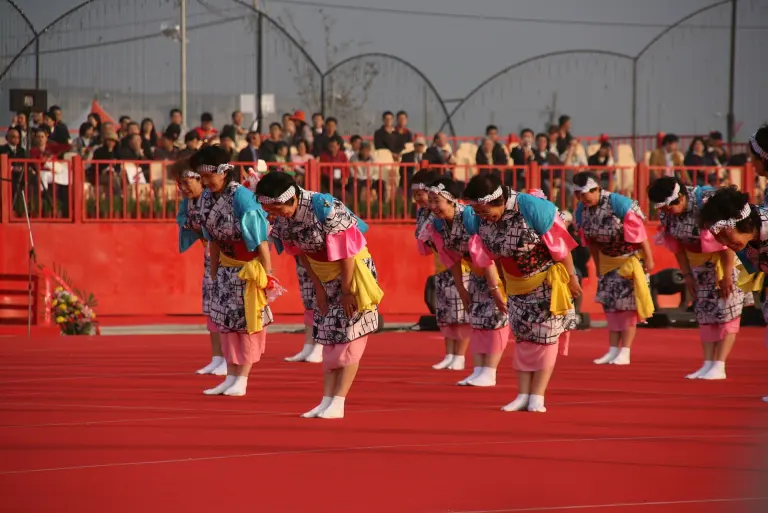
Bowing in Japan
Bowing in Japan is a flexible bodily practice used for greetings, thanks, apologies, respect, ceremony, work, worship, and performance, with formality varying by context.
Bowing in Japan is a flexible bodily practice used for greetings, thanks, apologies, respect, ceremony, work, worship, and performance, with formality varying by context.
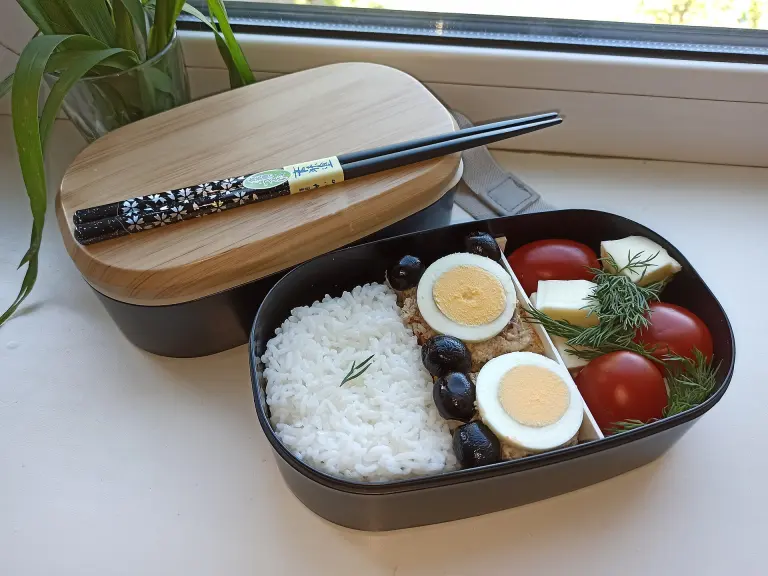
Bento are portable or compartmentalised meals whose contents, containers, makers, and settings range from home lunches and travel food to theatre and restaurant service.
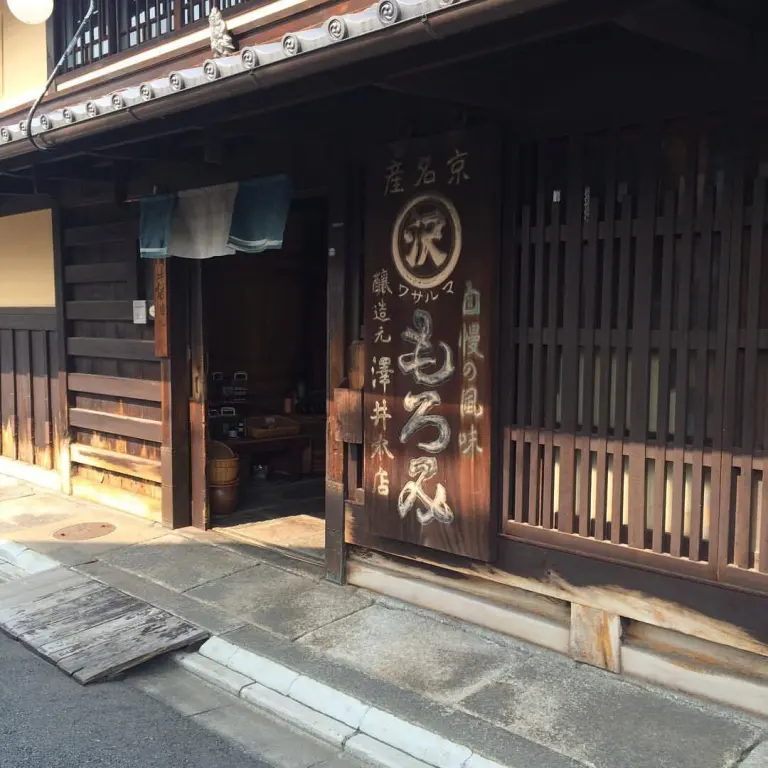
Japanese soy sauce, or shōyu, is a fermented liquid seasoning with regional types produced from combinations of soybeans, wheat, salt, water, and koji.
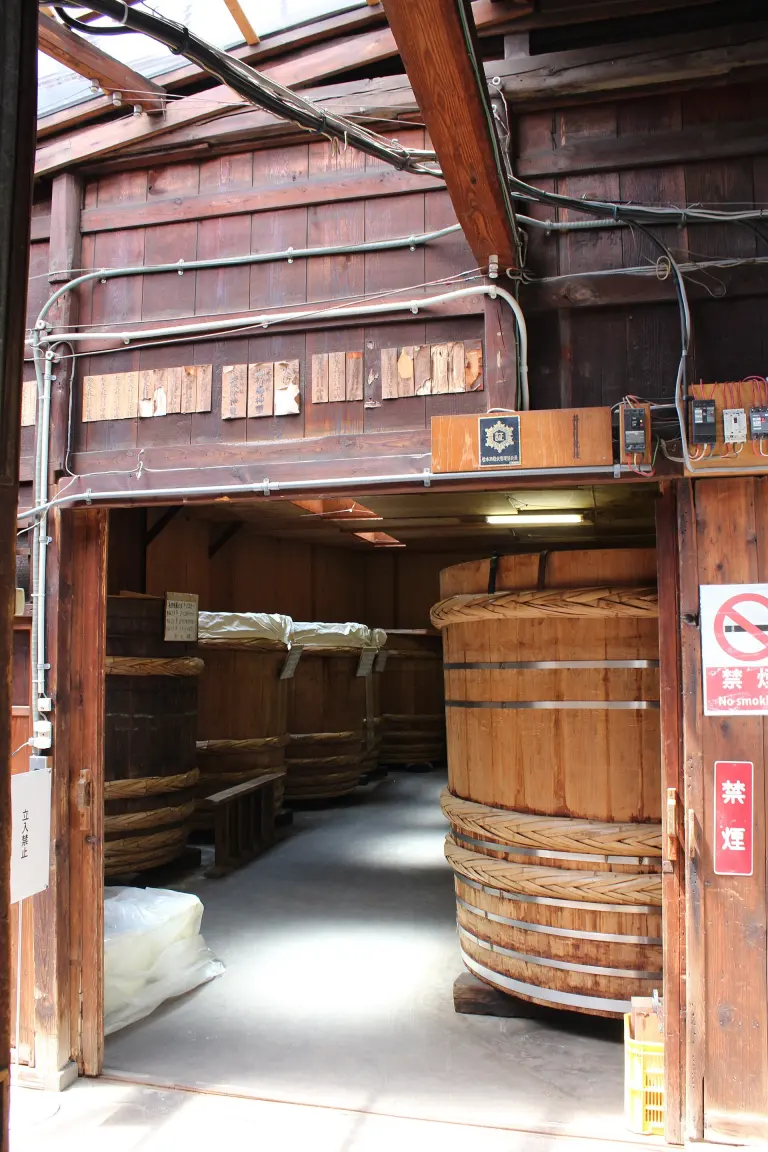
Miso is a Japanese fermented paste made mainly from soybeans, salt, and koji, with regional varieties shaped by grain, proportion, microbes, climate, and ageing.
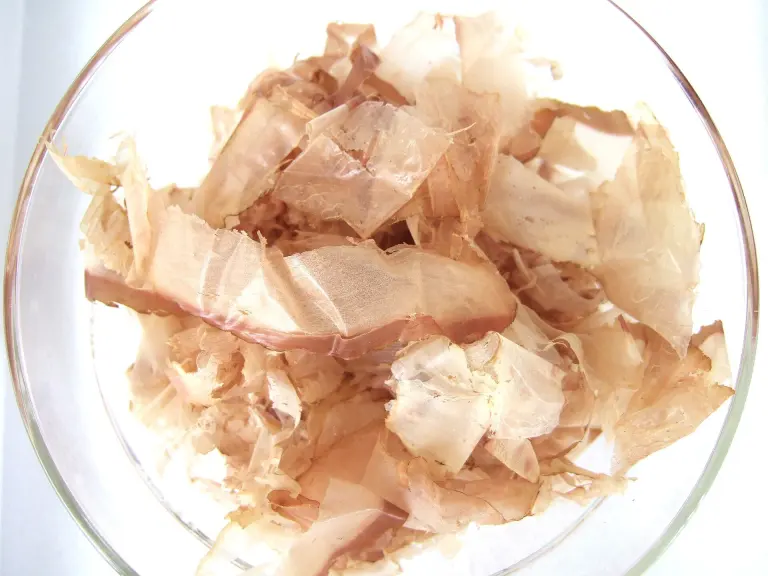
Dashi is a family of Japanese stocks that extracts savoury compounds from kombu, dried fish, mushrooms, or other ingredients for soups and seasoning.
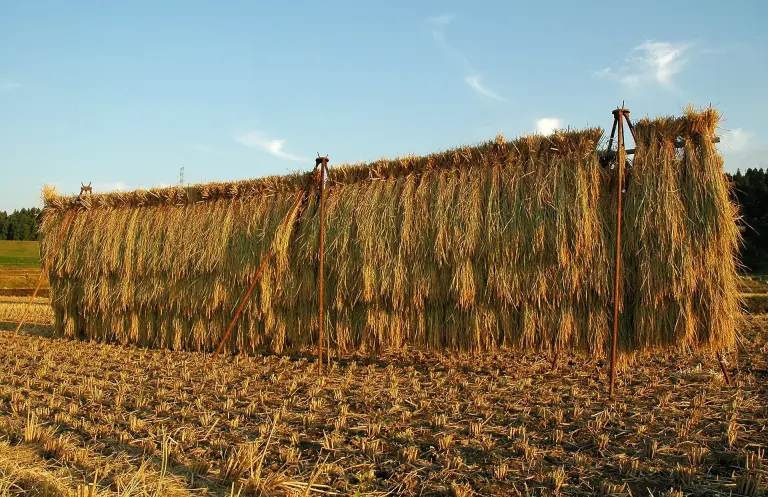
Rice in Japanese culture is a staple food, agricultural system, ritual offering, historical measure of wealth, and ingredient for foods, drinks, and seasonings.
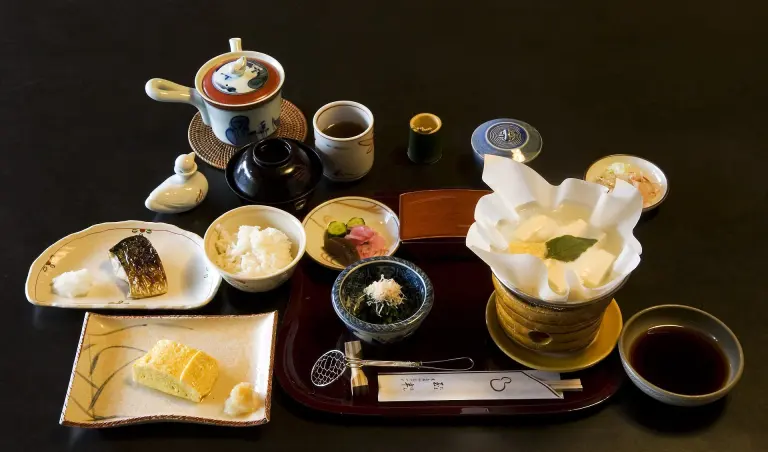
Washoku is Japan’s diverse food culture: knowledge, skills, social practices, seasonal customs, ingredients, meals, and ways of sharing food rather than one fixed menu.