Food Culture
Soy Sauce
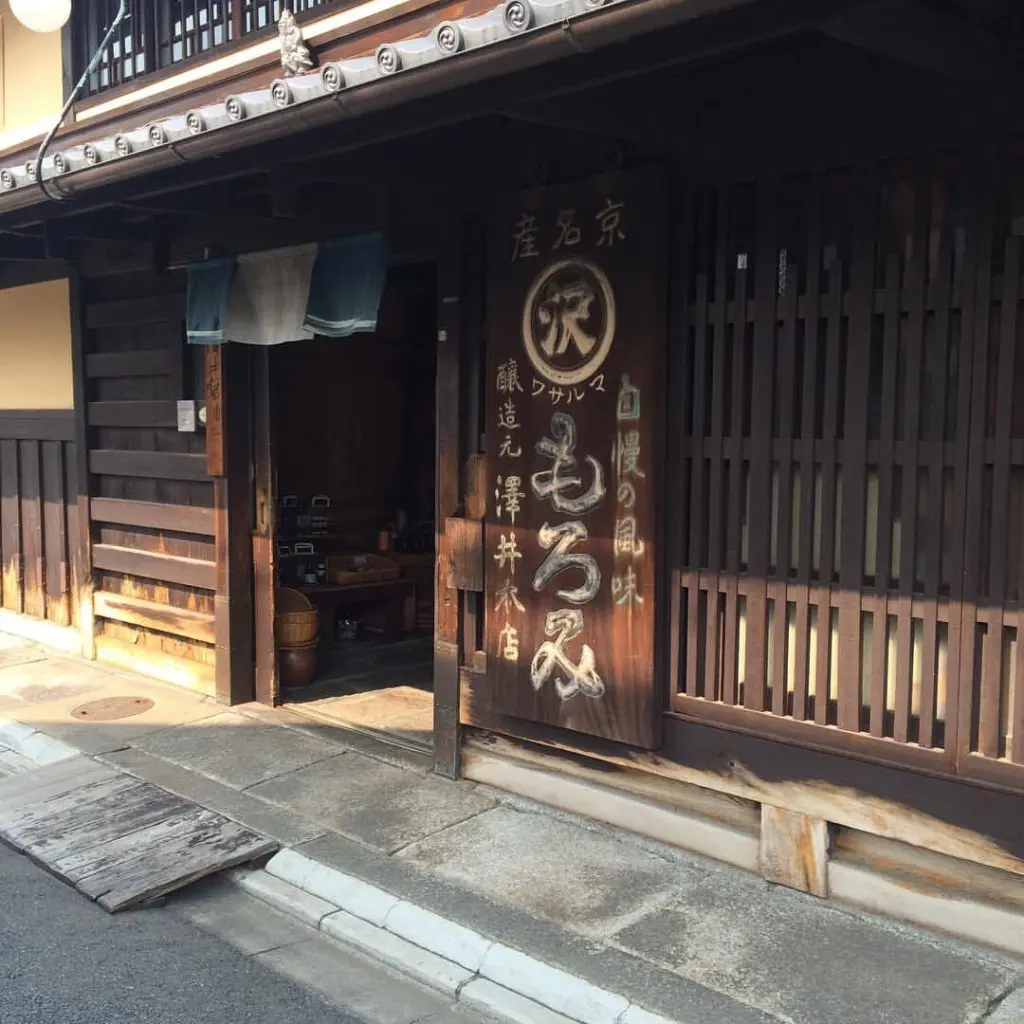
Image: Ippei Suzuki / Wikimedia Commons / Flickr · Creative Commons Attribution 2.0
Soy sauce is a broad family of fermented liquid seasonings found across East and Southeast Asia. In Japan, the common term is shōyu (醤油), and many widely distributed styles are brewed from soybeans, wheat, salt, water, and koji. Fermentation and ageing create aroma, colour, saltiness, acidity, sweetness, and umami; pressing separates the liquid from the mature mash. Japanese standards distinguish types including koikuchi, usukuchi, tamari, saishikomi, and shiro, each suited to different culinary purposes. These categories do not represent every soy sauce made in Japan or elsewhere. Shōyu seasons sashimi, tofu, rice dishes, noodles, soups, simmered foods, grilled foods, pickles, and sauces, often together with dashi and mirin. Regional brewing histories, industrial production, export, and home use have made it both a local heritage product and a global seasoning.
Overview
| Japanese name | 醤油 |
|---|---|
| Romanization | Shōyu |
| Classification | Fermented liquid seasoning |
| Common ingredients | Soybeans, wheat, salt, water, and koji |
| Major Japanese types | Koikuchi, usukuchi, tamari, saishikomi, and shiro |
| Core process | Koji preparation, brine fermentation, ageing, pressing, and finishing |
Name and scope
English “soy sauce” covers many regional products and production systems. Shōyu identifies Japanese-language usage but still contains several legally and culturally recognised types. Product labels, ingredients, and brewing method are necessary for precise comparison.
Brewing process
Soy sauce is one branch of Japanese fermentation. A grain-and-soybean kōji supplies enzymes, while salt-tolerant yeasts and bacteria contribute to the longer fermentation and maturation of the mash.
In common naturally brewed shōyu, prepared soybeans and roasted crushed wheat are inoculated to make koji. The koji is mixed with salt water into moromi mash, fermented and aged, then pressed. The liquid is clarified, often pasteurised, adjusted, and packaged. Timing and processing differ among makers.
Major types
Koikuchi is the dominant all-purpose dark style. Usukuchi is lighter in colour but often not lower in salt. Tamari generally uses proportionally more soybeans and less wheat; saishikomi is brewed with soy sauce in place of part of the brine; shiro uses a high proportion of wheat and is pale. Allergy and gluten questions require checking the actual label.
History and regional production
Japanese shōyu developed from older fermented pastes and liquids within wider East Asian traditions. By the early modern period, production centres served growing cities. Kansai, Tatsuno, the Kanto plain, Shodoshima, and other regions formed distinctive industries shaped by water, transport, markets, and local cuisine.
Culinary use
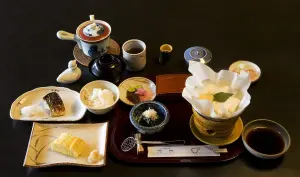
Soy sauce commonly accompanies sushi, but toppings may already be seasoned, and its use varies by form, restaurant, and regional practice.
Shōyu can season at the table, during cooking, or in marinades and dipping sauces. Heat changes its aroma and supports browning; combining it with dashi, sugar, vinegar, sake, or mirin produces many bases. More is not always better, because its salt and aroma can obscure delicate ingredients.
Industry and global circulation
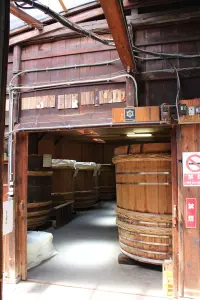
Mechanised brewing and standardised microbiology enabled reliable large-scale production, while smaller breweries maintain wooden vessels, local recipes, and long ageing. Japanese companies established overseas plants and helped popularise shōyu internationally. Global use also creates new products that do not fit traditional Japanese categories.
Storage and interpretation
Unopened soy sauce is shelf-stable under the maker's conditions, but oxygen, heat, and light gradually alter colour and aroma after opening. Refrigeration is often recommended for quality. Dark colour does not alone prove age or strength, and “light” may refer to colour rather than sodium.
Sources
- Ministry of Agriculture, Forestry and Fisheries, Soy sauce, miso, and other seasonings.
- Journal for the Integrated Study of Dietary Habits, Globalization of umami and Japanese food culture.
- Web Japan, Japanese Food Culture.
- Kikkoman Soy Sauce Museum, Making Soy Sauce.
- Kikkoman Institute for International Food Culture, Soy Sauce Research and Exhibitions.
- Journal for the Integrated Study of Dietary Habits, Regional characteristics of soy sauce and local cuisine.
Last updated: