Dojo & Institutions
Kodokan Judo Institute
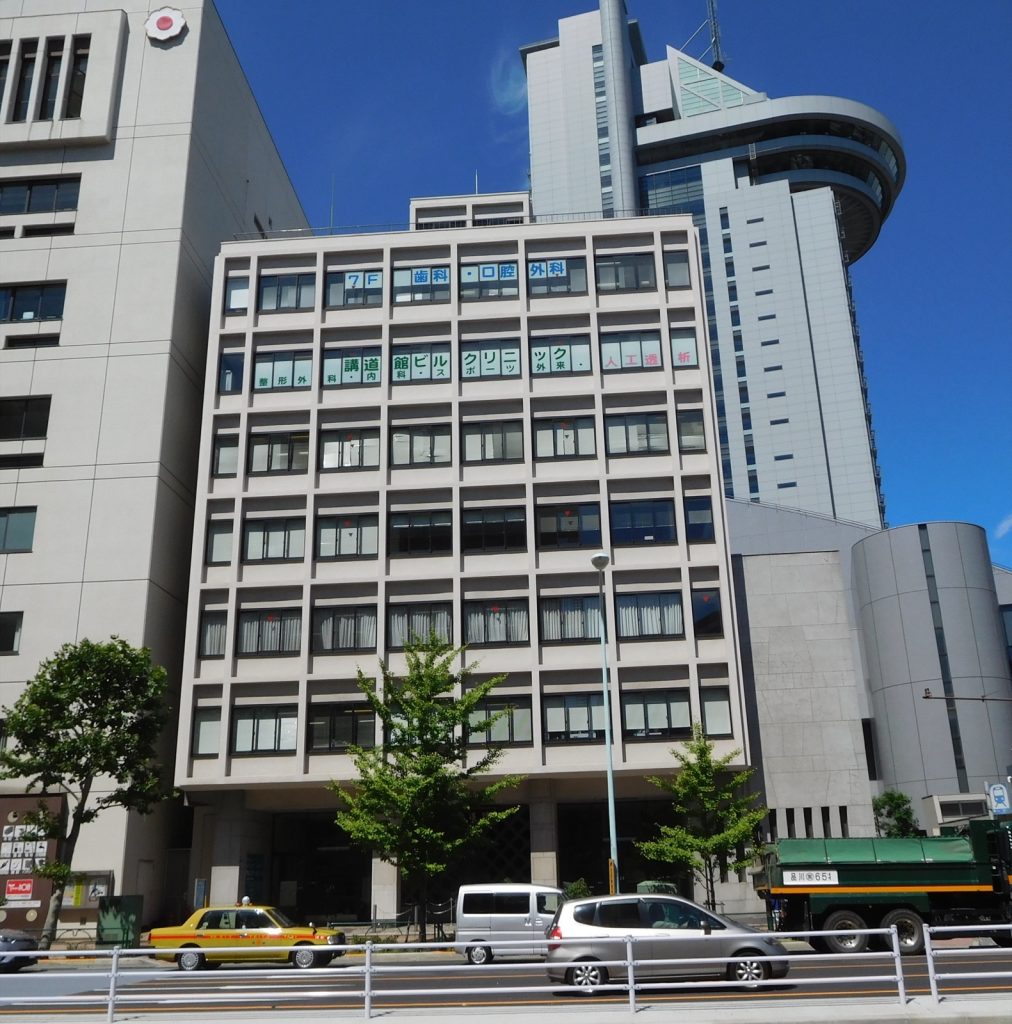
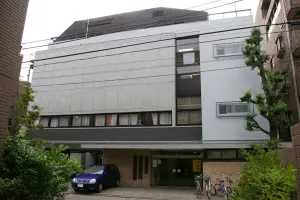
Image: Miyuki Meinaka / Wikimedia Commons · CC BY-SA 4.0
Overview
| Japanese name | 講道館 |
|---|---|
| Founded | 1882 |
| Founder | Jigoro Kano |
| Headquarters | Bunkyō, Tokyo |
| Purpose | Education, research, and practice of Kodokan Judo |
The Kodokan is the institution where Jigoro Kano founded and developed Judo. Established in Tokyo in 1882, it began as a very small dojo and grew into Judo’s central place of practice, teaching, research, history, and international exchange. Today the Kodokan Judo Institute remains a working dojo as well as a museum, library, educational organisation, and meeting point for judoka from Japan and around the world.
The Kodokan is more than a famous building. It is the school from which Kodokan Judo took its name and the institution through which Kano and generations of teachers organised techniques, training methods, grades, kata, and educational principles. Its history connects the intimate practice of two people on a tatami mat with a worldwide culture of learning.
For many judoka, visiting the Kodokan means visiting the living source of their art. Practice still takes place there every day, while research, instruction, archives, and events keep the institution connected to Judo’s future as well as its past.
History
The first Kodokan began in a small borrowed room at Eishoji Temple in 1882 before moving through larger Tokyo premises.
The institution’s early and later teaching generations included figures such as Sakujirō Yokoyama and Kyūzō Mifune, whose careers helped turn a small school into a durable technical and educational institution.
In May 1882, the twenty-two-year-old Jigoro Kano established the Kodokan at Eisho-ji, a Buddhist temple in Tokyo’s Shitaya district. The first dojo occupied a room of only twelve tatami mats. Kano’s early group was small, but interest grew quickly as students came to study his new approach to jujutsu, physical education, and personal development. Saigō Shirō was among the early representatives later remembered as the Kodokan’s Four Guardians.
The Kodokan moved several times as its membership and activities expanded. Its growth reflected the wider spread of Judo through schools, universities, police and navy training, and international teaching. The present International Judo Center in Kasuga, Bunkyo City, was completed in 1984 as part of the institution’s centenary development.
The earliest group numbered just nine students. The scale was modest, but Kano’s experiment joined practical training to a wider educational purpose. The Eisho-ji site still has a stone monument marking the birthplace of the Kodokan beside the temple’s main hall.
Name and etymology
Kodokan is commonly rendered as “a hall for studying the way” or “a place where the way is taught and examined.” The name expresses Kano’s decision to make practice about more than techniques for winning a fight. The word do points to a way or guiding principle that can be studied, tested, and applied throughout life.
This educational purpose is one reason Kano chose the name Judo rather than simply continuing to teach jujutsu. At the Kodokan, technical training was joined to physical development, thoughtful inquiry, character, and contribution to society.
Institutional role
The Kodokan continues to teach and promote Judo through regular practice, courses, kata instruction, examinations, seminars, research, publications, and domestic and international exchange. Children, adults, beginners, experienced practitioners, instructors, and visiting judoka all form part of its community.
Its work also includes the study and preservation of Judo’s techniques and history. This combination is important: the Kodokan is not only a place that safeguards tradition, but also a place where teachers and researchers continue to ask how Judo can be practised safely, clearly, and meaningfully.
Facilities
The eight-storey International Judo Center contains several specialised dojo. The seventh-floor main dojo is the largest, with 420 tatami mats, while the eighth floor provides spectator seating. Other floors include dojo used by the school, international, women’s, children’s, and special training groups, along with classrooms, changing facilities, research and administrative spaces.
The layout makes the building feel like a vertical campus for Judo. Training, instruction, observation, study, and administration take place under one roof, linking everyday practice to the wider institution.
Museum, library, and archives
The second floor houses the Kodokan Judo Museum and Library. The museum preserves objects, photographs, documents, and calligraphy connected with Kano and the development of the Kodokan. Displays include materials from the institution’s earliest years, historic judogi, records of important teachers, and objects that help visitors see Kano as both a martial artist and an educator.
The library holds books, journals, films, competition programmes, and other resources relating to Judo. Together, the museum and library turn the history of the art into something that can be studied directly rather than remembered only through stories.
Public access
The Kodokan is located at 1-16-30 Kasuga, Bunkyo-ku, Tokyo 112-0003. The official visitor guide states that members of the public may observe practice in the main dojo from the spectator area and visit the museum and library. Hours, holidays, special training periods, and access arrangements can change, so visitors should check the official Kodokan website before travelling.
A visit can be meaningful even without stepping onto the tatami. Watching a class reveals the rhythm of bowing, warm-up, instruction, repetition, randori, and mutual care that written descriptions cannot fully convey.
International role
Since its beginning, the Kodokan has welcomed students and teachers who carried Judo into new schools, cities, and countries. The institution therefore represents both a particular place in Tokyo and a network of relationships extending far beyond it.
Kano’s principles of efficient use of energy and mutual welfare and benefit are often explained as ideas. At the Kodokan, they can also be seen as practices: partners helping one another learn, senior students guiding beginners, researchers preserving knowledge, and visitors encountering a tradition that continues to change through human contact.
The Kodokan offers a clear example of how a place can carry history without becoming static. Its mats, archives, classrooms, and viewing gallery each tell a different part of Judo’s story. To understand the Kodokan is to understand how Jigoro Kano connected martial practice with education—and how that connection is still renewed by the people who gather there.
Related pages: Jigoro Kano · Judo · Jujutsu (Jiujitsu)
Three meanings carried by Kodokan
In historical writing, Kodokan can refer to three connected but different things: the institution founded by Jigoro Kano in 1882; the system and lineage called Kodokan Judo; and the physical headquarters, dojo, museum, library, and archives through which the institution operates. The Kodokan’s institutional history explains the founding and name, while its museum and library page describes specific collections and services.
Use the narrowest meaning that supports the statement. A claim about Kano’s 1882 school is not automatically a fact about the present building; a current visitor procedure is not a timeless rule of Judo; and a global federation decision is not necessarily a Kodokan institutional decision. For addresses, opening conditions, observation, training, research access, and fees, cite the current department page and date of access rather than relying only on a general history.
Sources and further reading
Related entries
Last updated: