Dojo & Institutions
Meiji Jingu Shiseikan
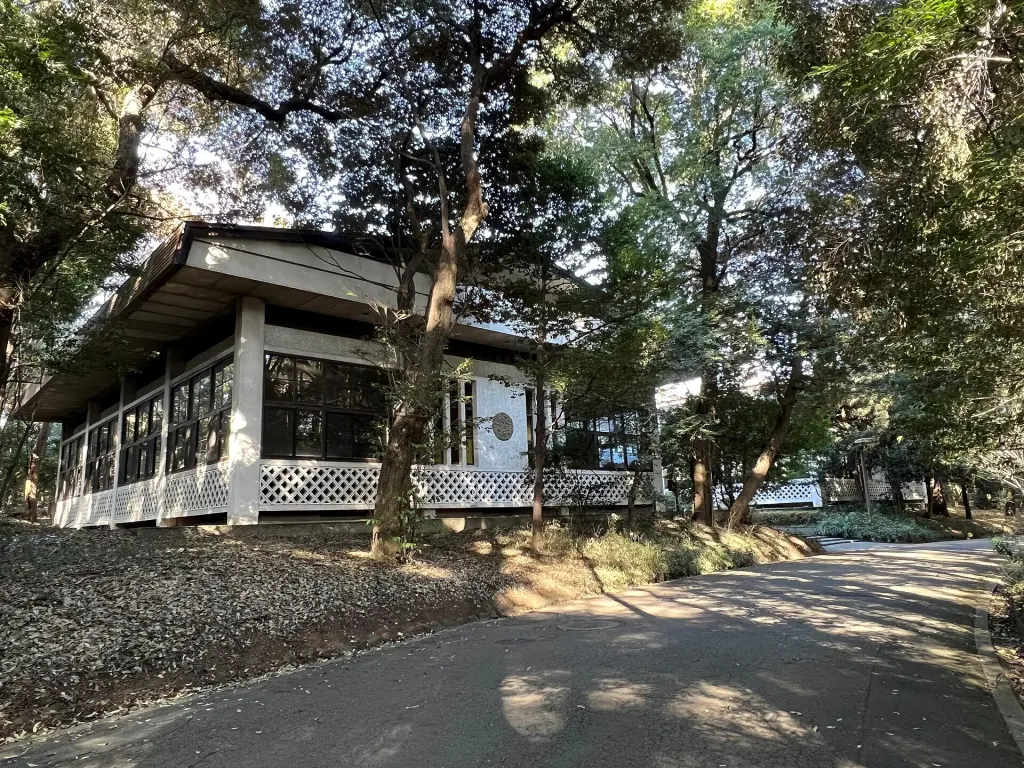
Image: Asanagi / Wikimedia Commons · CC0 1.0
Meiji Jingu Shiseikan is a comprehensive budo training hall within the grounds of Meiji Shrine in Tokyo. It opened in October 1973 to commemorate the fiftieth anniversary of the shrine's enshrinement and to cultivate physical discipline, sincerity, and social responsibility through Japanese martial arts. The programme combines practice with lectures and currently includes kyudo, judo, kendo, and budo-kenshu, a course associated with aikido and kenjutsu. Shiseikan is therefore neither a single-style dojo nor a public sports arena. Its location inside a Shinto shrine shapes etiquette, educational language, and access. Membership is open under published conditions, including to non-Japanese residents, but entry to the training facility is controlled and ordinary shrine visitors should not assume that classes can be observed freely.
Overview
| Japanese name | 明治神宮武道場 至誠館 |
|---|---|
| Affiliation | Meiji Jingu |
| Location | Yoyogi-Kamizono-cho, Shibuya, Tokyo |
| Opened | October 1973 |
| Current disciplines | Kyudo, judo, kendo, and budo-kenshu |
| Institutional purpose | Training and character education through budo |
Name and mission
Shiseikan is written 至誠館. Shisei conveys utmost sincerity, and kan means hall or institution. The name fits the dojo's stated aim of forming character through disciplined training rather than treating martial arts only as competitive sports.
Official descriptions connect practice with voluntary contribution to society. That educational mission is expressed through regular classes, lectures, youth programmes, and conduct within the shrine setting.
Founding in 1973
Shiseikan opened in October 1973 as a project commemorating the fiftieth anniversary of Meiji Jingu's enshrinement. It was conceived as a comprehensive place for Japanese budo training and the sound development of young people.
The founding language reflects the values and institutional memory of Meiji Jingu. A historical description of that mission should distinguish the shrine's own normative claims from neutral statements about the measurable effects of training.
Curriculum and classes
The current programme lists separate kyudo, judo, and kendo sections, with adult and youth eligibility depending on the class. Practical instruction is accompanied by lectures on budo and related subjects.
This combination makes Shiseikan different from a single-discipline headquarters. Each art retains its own equipment, pedagogy, and technical history while participating in a shared institutional philosophy.
Budo-kenshu, aikido, and kenjutsu
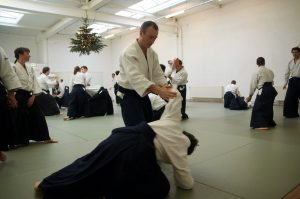
The budo-kenshu course is dedicated to practice associated with Aikido and kenjutsu. Under teachers including Minoru Inaba, Shiseikan became known internationally for an integrated approach that placed empty-hand and sword study within a broader inquiry into budo.
Labels such as Kashima no Tachi require care. The sword practice taught in this context has historical connections with Kashima traditions, but organisational lineage claims should not be inferred merely from the name.
Education and shrine setting
Because Shiseikan stands within Meiji Jingu, training includes rules of conduct associated with a Shinto sacred precinct. The Japan Tourism Agency's multilingual guide notes that members follow shrine-related etiquette in addition to ordinary dojo practice.
The setting does not make every technique religious. It does, however, shape how the institution explains gratitude, sincerity, purification, community, and respect for place.
Membership and access
Official information states that membership is open under published eligibility conditions and is not restricted by nationality. Ages, schedules, introductory procedures, fees, and available spaces differ by section and may change.
Entry to the building is normally for members and authorised visitors. Travellers should not confuse access to the surrounding shrine grounds with permission to enter, observe, photograph, or join training inside Shiseikan.
Place in Tokyo budo
Shiseikan occupies a distinctive position among Tokyo martial institutions. The Kodokan and Aikikai Hombu centre particular modern arts, while Nippon Budokan hosts large public events; Shiseikan brings several arts together in a smaller educational community embedded in a shrine.
Its influence is therefore carried through long-term practice and teacher-student networks more than mass spectatorship. International practitioners have transmitted aspects of Shiseikan teaching abroad, especially in aikido and sword-related study.
Sources
Last updated: