Shrines & Temples
Kashima Jingu
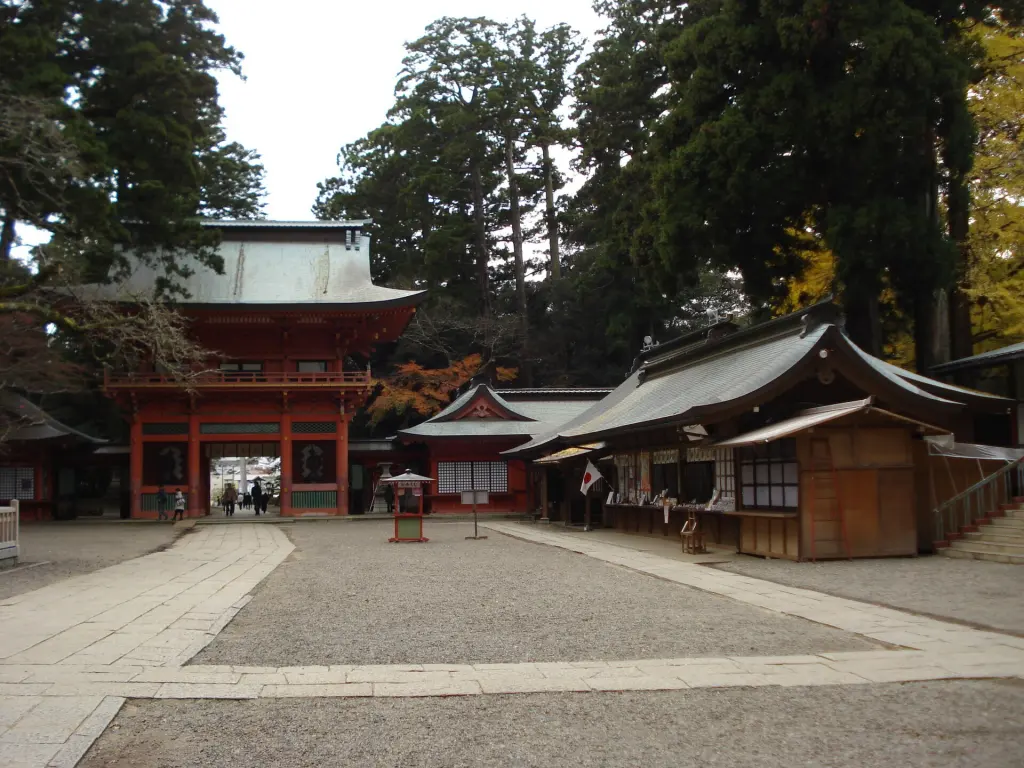
Image: Kiku-zou / Wikimedia Commons · CC BY-SA 3.0
Kashima Jingu is a major Shinto shrine in Kashima, Ibaraki Prefecture, dedicated to Takemikazuchi, a kami associated with martial power, protection, and the foundation myths of Japan. Shrine tradition dates its establishment to the legendary accession year of Emperor Jimmu, while historical evidence confirms Kashima's great antiquity and high status in the ancient state. The shrine became a focus of warrior devotion and is closely associated with the martial culture of the Kashima region, including traditions connected with the swordsman Tsukahara Bokuden. Its precinct contains important early-Edo buildings as well as a Butokuden for judo and kendo and a kyudo hall inherited from a wartime training complex. Kashima Jingu remains first of all a living religious institution, not merely a martial-arts heritage site.
Overview
| Japanese name | 鹿島神宮 |
|---|---|
| Location | Kashima, Ibaraki Prefecture |
| Principal kami | Takemikazuchi Okami |
| Historical status | Ichinomiya of Hitachi Province; imperial shrine traditions |
| Present main sanctuary complex | Donated by Tokugawa Hidetada in 1619 |
| Martial facilities | Butokuden for judo and kendo; kyudo hall |
Name and religious status
Kashima Jingu is written 鹿島神宮. Jingu is a high-ranking shrine title and is normally retained in the proper name rather than translated away. Kashima was the ichinomiya, or principal shrine, of historical Hitachi Province.
The shrine is part of a wider network of Kashima shrines and has close ritual and mythic associations with Katori Jingu across the modern prefectural border.
Founding tradition and history
Shrine tradition places the foundation in 660 BCE, the conventional first year of Emperor Jimmu. This is a sacred and dynastic chronology, not a date established by contemporary archaeological or documentary evidence.
Kashima is nevertheless demonstrably ancient. It appears in early provincial and court traditions and became important to state ritual on Japan's eastern frontier. Neutral history can recognise that antiquity while distinguishing documented chronology from foundation legend.
Takemikazuchi and martial worship
A related but distinct history appears at Tsurugaoka Hachimangū, where Hachiman worship, Minamoto patronage, and the political landscape of medieval Kamakura shaped another major relationship between shrine institutions and warrior culture.
Takemikazuchi appears in Japanese mythology as a powerful kami involved in the transfer of the land and in traditions surrounding Emperor Jimmu. At Kashima, the deity came to be revered by the imperial court, the Fujiwara, and warrior families.
Calling Takemikazuchi a god of martial arts is a useful modern shorthand, but the shrine's religious meaning is broader than victory in combat. Protection, journeys, national foundation, earthquakes, and local ritual are also part of Kashima belief.
Buildings and cultural properties
The present main sanctuary, connecting chamber, offering hall, and worship hall were donated by the second Tokugawa shogun, Hidetada, in 1619 and are designated Important Cultural Properties. An earlier main sanctuary donated by Tokugawa Ieyasu in 1605 was moved and survives as the Inner Shrine.
The Romon gate, forested approach, Mitarashi Pond, Kaname-ishi, deer enclosure, and ritual spaces form a landscape whose significance is architectural, ecological, mythic, and devotional at the same time.
Kashima and sword traditions
The Kashima region is associated with major sword traditions and with Tsukahara Bokuden, who is remembered in local history as a formative figure of Kashima Shinto-ryu. Accounts describe prayer and retreat at the shrine as part of martial revelation narratives.
Lineages using names such as Kashima Shinto-ryu, Kashima Shinryu, and Kashima-derived traditions are not interchangeable. Historical connections to the shrine, regional cult, or shared vocabulary do not establish that all such schools descend through one simple line.
Butokuden and kyudo hall
Kashima Jingu's precinct includes a Butokuden used for judo and kendo and a separate kyudo hall. The shrine states that both facilities inherit a training complex opened in 1942.
These modern facilities give organised practice a physical place inside the sacred precinct. They should be distinguished from the much older shrine buildings and from legendary claims about the origin of Japanese martial arts.
Festivals and ritual landscape
Kashima Jingu conducts more than eighty annual rites and festivals. Yabusame is performed along the inner approach, while the grand Ofune Matsuri takes place once every twelve years in a horse year and links Kashima with Katori through a large water procession.
Such observances show that martial symbolism is embedded in a continuing ritual calendar. Demonstration, procession, worship, landscape, and community participation cannot be separated as neatly as a sports-only interpretation might suggest.
Visiting and etiquette
Most of the main precinct can be visited, but worshippers, ceremonies, restricted buildings, and posted photography rules should be respected. The standard approach to a Shinto shrine—entering respectfully, using the purification basin when available, and avoiding disruption—applies.
Access to martial facilities is separate from ordinary shrine visiting. A visible dojo does not imply that a traveller may enter or join practice without permission.
Sources
Last updated: