
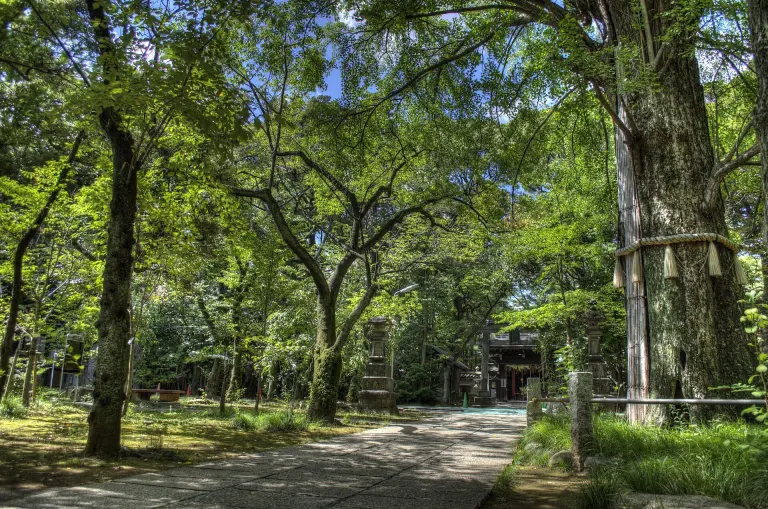
Akasaka Hikawa Shrine
A Shinto shrine in central Tokyo whose Edo-period sanctuary, sacred trees, festival traditions, and records connect Akasaka with Tokugawa patronage.
A Shinto shrine in central Tokyo whose Edo-period sanctuary, sacred trees, festival traditions, and records connect Akasaka with Tokugawa patronage.
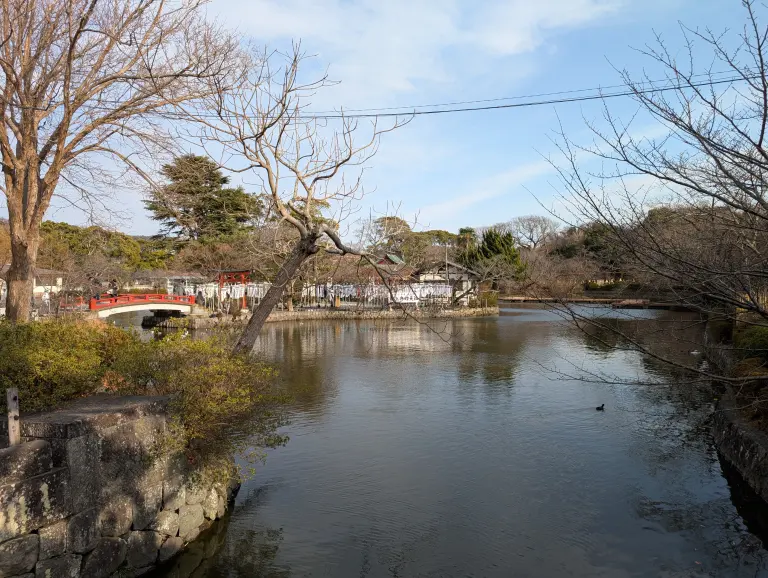
Tsurugaoka Hachimangū is Kamakura’s central Hachiman shrine, shaped by Minamoto patronage, medieval ritual, urban planning, and repeated architectural renewal.
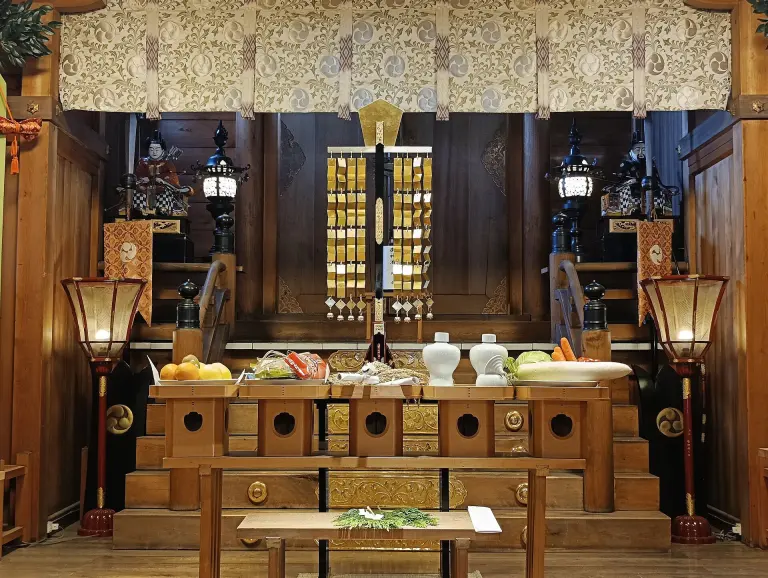
Shinto rituals connect purification, offerings, prayer, performance, and community observance at shrines, in homes, and across the seasonal calendar.
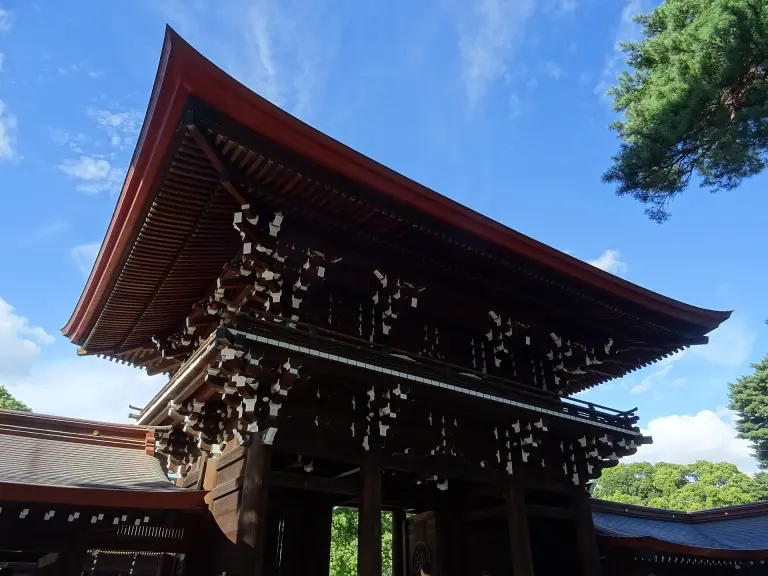
Meiji Jingū is a Tokyo shrine founded in 1920 for Emperor Meiji and Empress Shōken within a deliberately designed self-renewing forest.
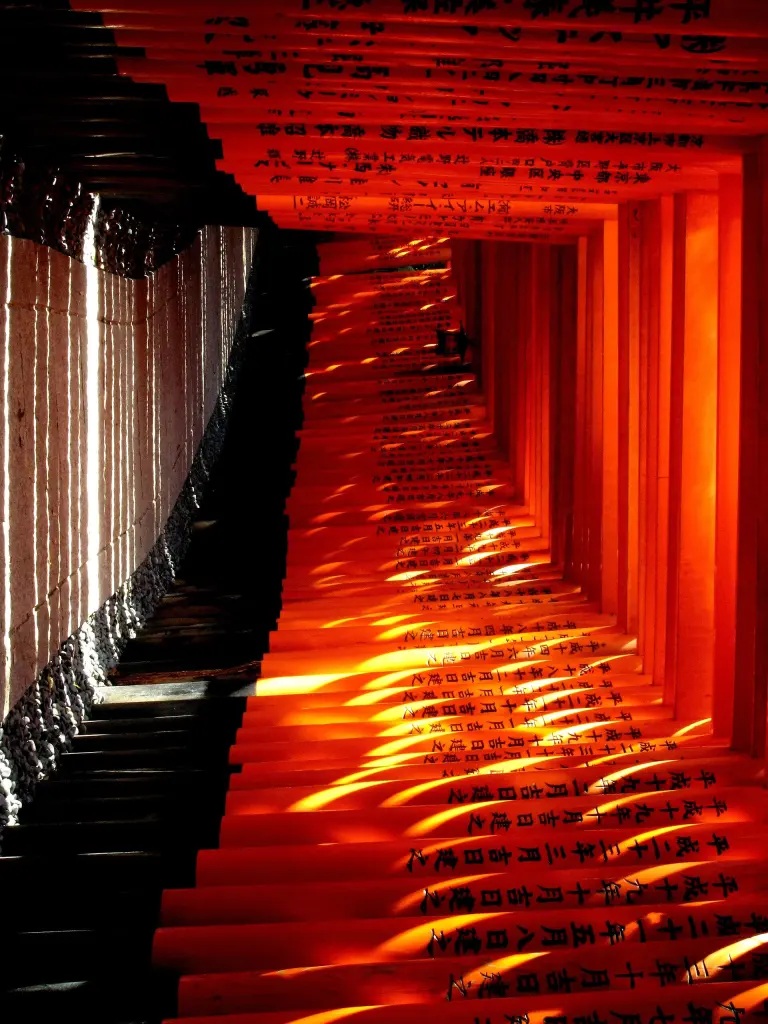
Fushimi Inari Taisha is Kyoto’s principal Inari shrine, joining an ancient mountain cult with donated vermilion torii and widespread devotion.
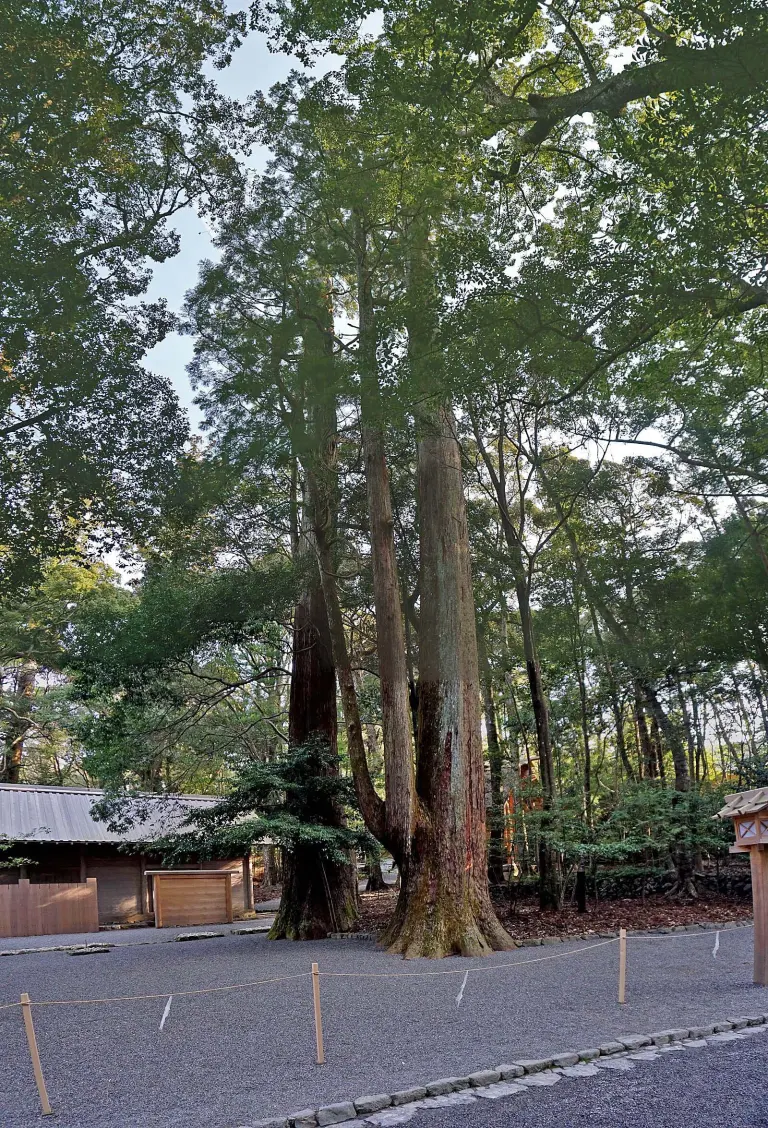
Ise Jingū is a 125-shrine Shinto complex centred on the Inner and Outer Shrines and their recurring Shikinen Sengū reconstruction rites.
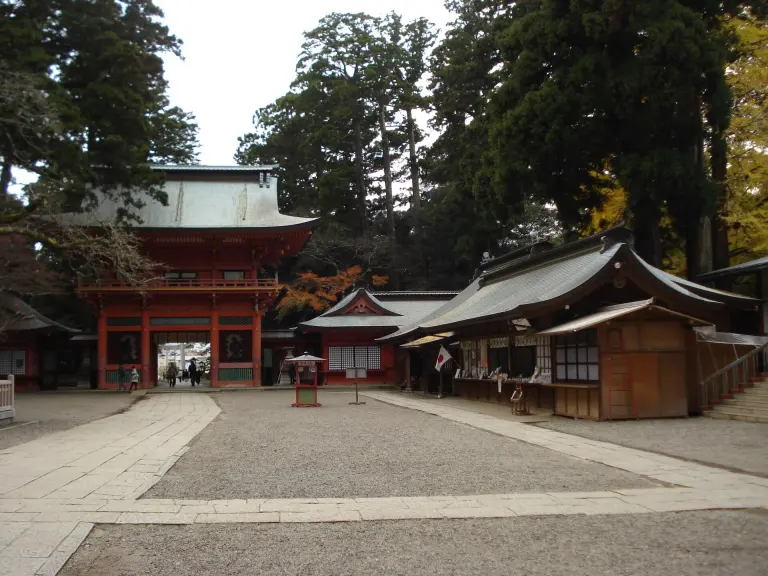
Kashima Jingu is an ancient Shinto shrine in Ibaraki dedicated to Takemikazuchi, with deep connections to warrior worship, sword traditions, and modern budo facilities.
Shinto shrines and Buddhist temples are distinct institutions, but centuries of coexistence make simple visual rules useful rather than absolute.
Torii are gateways marking transitions into Shinto sacred space, with forms that vary by structure, material, colour, setting, and history.
A kamidana is a household Shinto altar where ofuda are enshrined and kami are honoured through offerings, prayer, care, and renewal.