
Shinto
Shinto Shrines and Buddhist Temples
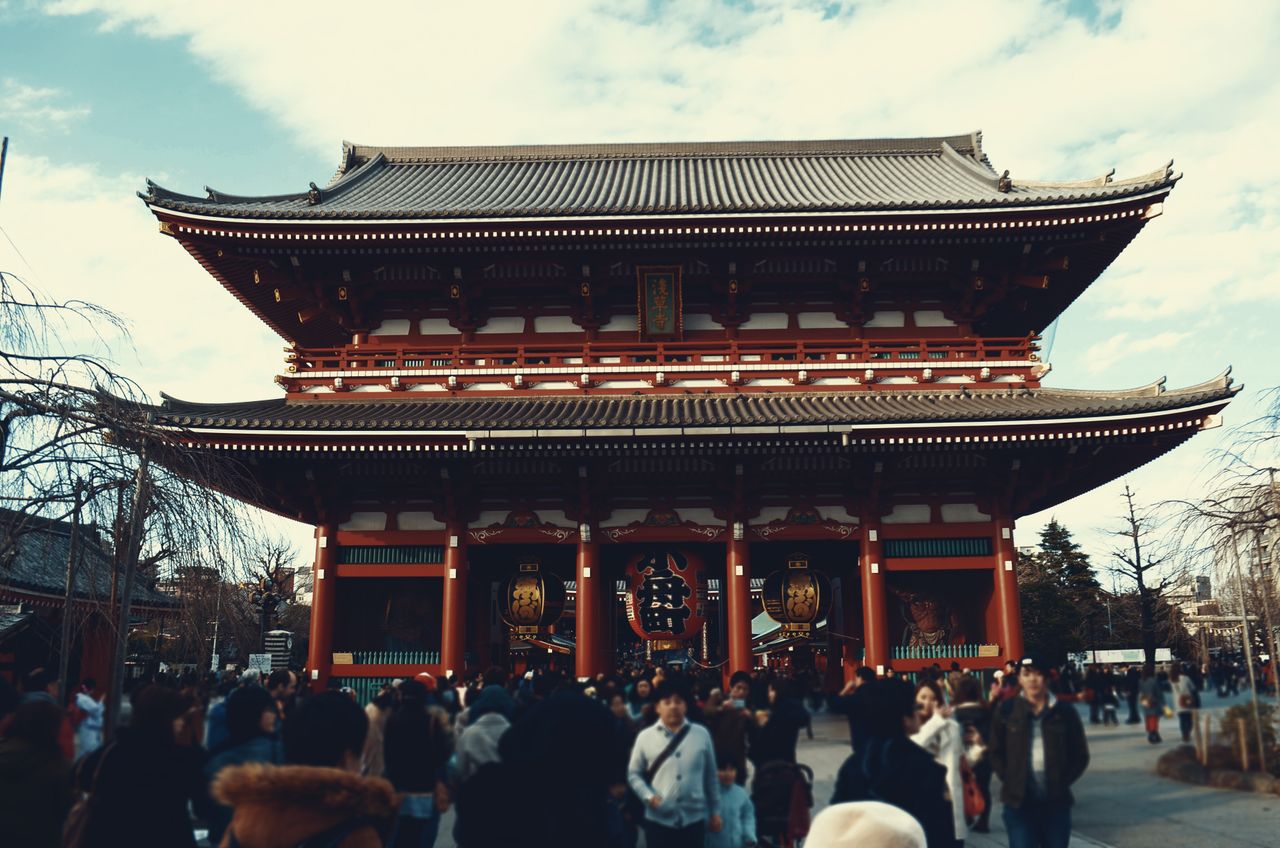
Image: Nicolas Postiglioni / Pexels · Pexels License
Overview
| Topic | Shrine and temple comparison |
|---|---|
| Shrine tradition | Shinto |
| Temple tradition | Buddhism |
| Common markers | Torii and kami worship / sanmon, incense, and Buddhist images |
| Historical note | The two traditions have often overlapped |
A Shinto shrine and a Buddhist temple can look similar at first, yet they belong to different religious traditions. A torii, shimenawa, and worship of kami point toward a shrine; a sanmon gate, Buddhist images, incense, and monks point toward a temple. Japan’s long history, however, makes the boundary more interesting than a simple checklist.
Overview
- Japanese names: shrines commonly use jinja, jingū, taisha, or gū; temples commonly use ji, dera, tera, or in.
- Religious tradition: a shrine belongs to Shinto; a temple belongs to Buddhism.
- Entrance: look for a torii gate at a shrine and a sanmon or another roofed gate at a temple.
- Focus of veneration: shrines venerate kami; temples venerate buddhas, bodhisattvas, and Buddhist teachings.
- Religious specialists: shrines have Shinto priests and miko; temples have monks, nuns, and temple priests.
- Common worship action: shrine worship commonly includes two bows, two claps, and one bow; temple worship commonly joins the hands and bows without clapping.
- Visual clues: shimenawa, shide, komainu, and sakaki suggest a shrine; incense, pagodas, Buddhist statues, and cemeteries suggest a temple.
These are reliable starting points, not absolute rules. Major sites have local forms, and centuries of interaction left shrines inside temple grounds and Buddhist elements near shrines.
Shinto shrines
A Shinto shrine is a sacred place where one or more kami are enshrined and venerated. Kami may be connected with natural forces, places, ancestors, historical figures, community protection, skills, or particular forms of blessing. Visitors come to give thanks, make requests, attend festivals, or mark life events.
The main sanctuary, or honden, is ordinarily not entered by casual visitors. Worship takes place at a hall or space in front of it. The shrine precinct may also include a purification basin, offering hall, sacred trees, auxiliary shrines, and an office that provides omamori, ofuda, ema, and omikuji. Ofuda are commonly enshrined at home in a kamidana.
Buddhist temples
A Buddhist temple is a place for Buddhist worship, teaching, ritual, and community life. Depending on its school and history, a temple may enshrine a Buddha, bodhisattva, guardian figure, mandala, or other sacred image. Many temples conduct memorial services and maintain cemeteries, creating a strong connection with ancestors and funerary practice.
Temple compounds vary widely. Common features include worship halls, roofed gates, incense burners, bells, pagodas, statues, and buildings for monks or parish activities. A Zen temple, a mountain temple, and an urban temple such as Sensō-ji can feel very different.
Entrances and boundaries
Torii at a shrine
A torii is formed from two pillars and horizontal crossbeams. It marks a transition from everyday space toward a Shinto sacred precinct. Before passing through, many visitors make a small bow and walk slightly to one side of the center.
Sanmon and niōmon at a temple
A Buddhist temple commonly has a roofed gate. A sanmon may be a large architectural structure with multiple openings or an upper story. A niōmon contains fierce guardian figures called Niō. Architecturally, such gates are buildings rather than simple freestanding markers.
Worship practices
At a Shinto shrine
- Bow at the torii and enter respectfully.
- Purify hands and mouth at the temizuya when it is open.
- Offer a coin quietly.
- Bow twice, clap twice, pray, and bow once.
Some shrines have a different local sequence, so posted instructions take priority. Our full Japanese Shrine Etiquette guide explains the visit step by step.
At a Buddhist temple
- Bow at the gate and enter calmly.
- Purify at a water basin if one is provided.
- Offer incense when appropriate and follow local signs.
- Place hands together, bow, and pray quietly; ordinarily do not clap.
Temple practice varies by Buddhist school and site. At some halls visitors ring a bell; at others photography, incense, or entry beyond a line is restricted.
Religious specialists and clothing
At shrines
Shinto priests are often called shinshoku or kannushi. Their formal clothing may include a robe, broad trousers, and a black lacquered hat. Miko assist with ritual and shrine work and are often recognized by white jackets and red divided skirts, although not every shrine has miko.
At temples
Buddhist clergy include monks, nuns, abbots, and priests whose titles and clothing vary by school. Robes, shaved heads, prayer beads, and colored ceremonial garments are common clues, but none alone identifies every Buddhist practitioner.
Sacred objects and architecture
Typical shrine clues
- Shimenawa and shide marking sacred or purified objects
- Komainu or other guardian animals
- Sakaki greenery and sacred trees
- Mirror imagery and plain wooden sanctuaries
- Ofuda, omamori, ema, and omikuji at the shrine office
Typical temple clues
- Buddhist statues and halos
- Incense burners and candle stands
- Pagodas, sutra halls, and large temple bells
- Niō guardians at the gate
- Cemeteries and memorial tablets
Architecture travels across religious boundaries. Stone lanterns, water basins, guardian figures, and similar roof forms can appear in both settings.
Historical coexistence
Buddhism entered Japan in the middle of the first millennium and developed alongside existing kami traditions. Over many centuries, people interpreted kami and Buddhist figures through each other, built shrine-temple complexes, and supported institutions where practices overlapped. This history is often called shinbutsu shūgō, the combination of kami and buddhas.
In 1868 the new Meiji government ordered a formal separation known as shinbutsu bunri. Buildings, clergy, and objects were reassigned or removed, but the earlier relationship did not disappear from landscapes or custom. A small shrine may still stand within temple grounds, and a temple may preserve architecture shaped by its former shrine connection.
Role in Japanese life
Many people in Japan participate in both traditions without treating them as mutually exclusive identities. A family might visit a shrine at New Year, hold a Shinto-style blessing for a child, and rely on a Buddhist temple for ancestral memorial rites or a funeral. Practice is often connected to family, community, season, and occasion.
This does not mean that shrines and temples are “the same.” Their deities, teachings, clergy, ritual lineages, and institutions remain distinct even where people move comfortably between them.
How to identify a site without guessing
A torii usually signals a Shinto shrine, while a roofed sanmon, Buddhist images, incense, and halls named with temple vocabulary usually signal a Buddhist temple. These are useful first clues, not a complete historical test. The safest identifiers are the institution’s official name, its signs or website, and whether it enshrines kami or belongs to a Buddhist school.
The distinction matters most at the point of worship. The Japan National Tourism Organization’s visitor guide describes bows and claps at shrines, but joined hands without clapping at temples. Neighboring shrine and temple buildings may preserve a shared local history, so identify each worship space separately and follow its posted procedure. See Japanese Shrine Etiquette for the shrine sequence.
Visitor etiquette
- Dress and speak respectfully, especially inside worship halls.
- Follow signs about photography, shoes, food, and restricted areas.
- Do not photograph ceremonies or sacred interiors without permission.
- Do not touch statues, ropes, gates, or offerings unless invited.
- Keep paths and worship spaces clear rather than staging long photo sessions.
- Use the worship method posted at the site instead of assuming one rule fits everywhere.
Common questions
Is Sensō-ji a shrine or a temple?
Sensō-ji in Asakusa is a Buddhist temple. Nearby Asakusa Shrine is a separate Shinto shrine, making the area a useful place to observe both traditions.
Is Fushimi Inari a temple?
No. Fushimi Inari Taisha is a Shinto shrine dedicated to Inari. Its famous torii were donated as offerings.
Can a temple have a torii?
Yes, in exceptional cases shaped by local history and Shinto–Buddhist syncretism. A torii remains a strong shrine clue, but context matters.
Should I clap at a Buddhist temple?
Ordinarily, no. Join your hands and bow quietly. Clap at a shrine when following the common Shinto sequence, unless the shrine posts a different form.
Related entries
For the wider religious context, see Shinto and Kami.
Sources and further reading
Last updated:





.jpg?width=320)