
Shinto Rituals
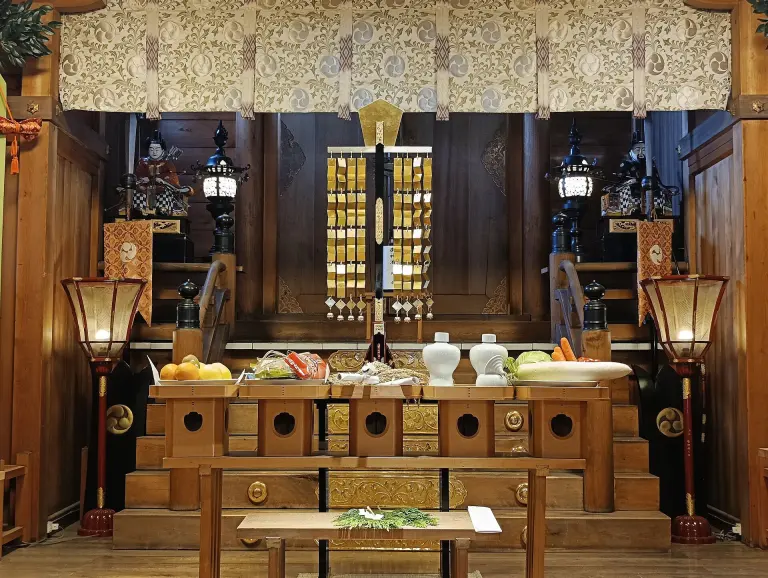
Shinto rituals connect purification, offerings, prayer, performance, and community observance at shrines, in homes, and across the seasonal calendar.
Shinto rituals connect purification, offerings, prayer, performance, and community observance at shrines, in homes, and across the seasonal calendar.
Shinto shrines and Buddhist temples are distinct institutions, but centuries of coexistence make simple visual rules useful rather than absolute.
Torii are gateways marking transitions into Shinto sacred space, with forms that vary by structure, material, colour, setting, and history.
A Shinto shrine, or jinja, is a sacred institution and precinct where kami are honoured through worship, offerings, purification, and festivals.
Hatsumode is the first shrine or temple visit of the Japanese New Year, combining worship with omikuji, amulets, ema, and seasonal customs.
Shimenawa are sacred ropes marking purified boundaries or the presence of kami, while shide are folded paper streamers used in Shinto ritual.
Ema are wooden votive plaques offered at Japanese shrines and some temples, where visitors write prayers or thanks and leave them for respectful care.
Japanese shrine etiquette commonly includes a torii bow, purification, an offering, bows and claps, with local instructions taking priority.
Goshuin are calligraphed records of worship received at shrines and temples, combining inscriptions, vermilion seals, and the visit date.
Omikuji are paper fortunes drawn at Japanese shrines and temples, where rankings, poems, and practical advice guide reflection rather than fixing fate.