
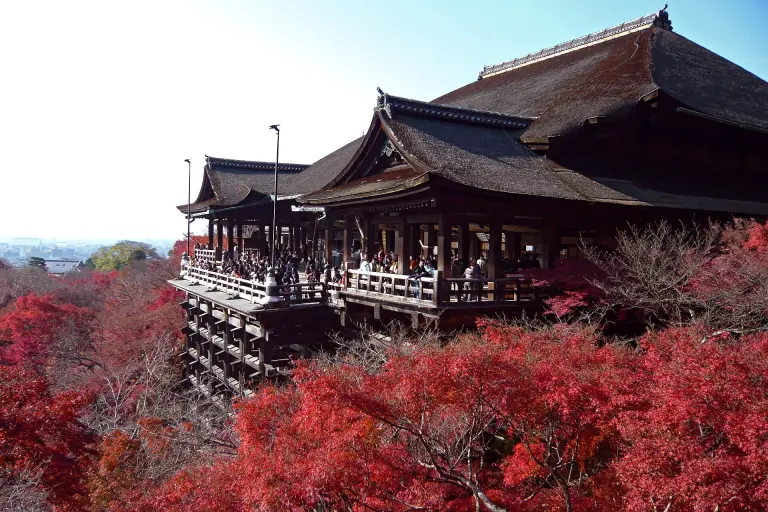
Kiyomizu-dera
Kiyomizu-dera is a Kyoto Kannon temple founded in 778, known for its spring, cliff-supported main-hall stage, pilgrimage, and repeated reconstruction.
Kiyomizu-dera is a Kyoto Kannon temple founded in 778, known for its spring, cliff-supported main-hall stage, pilgrimage, and repeated reconstruction.
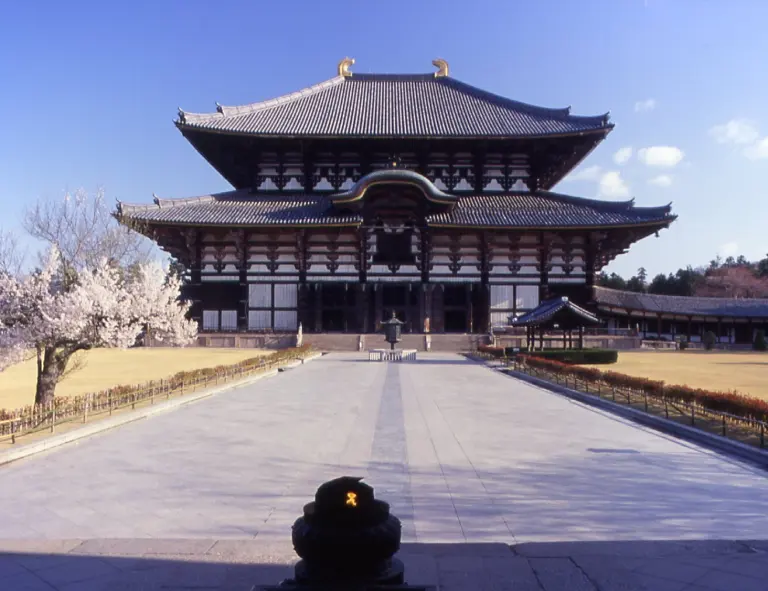
Tōdai-ji is a Nara Buddhist temple founded within the eighth-century state monastery system and centred on the monumental Vairocana Great Buddha.
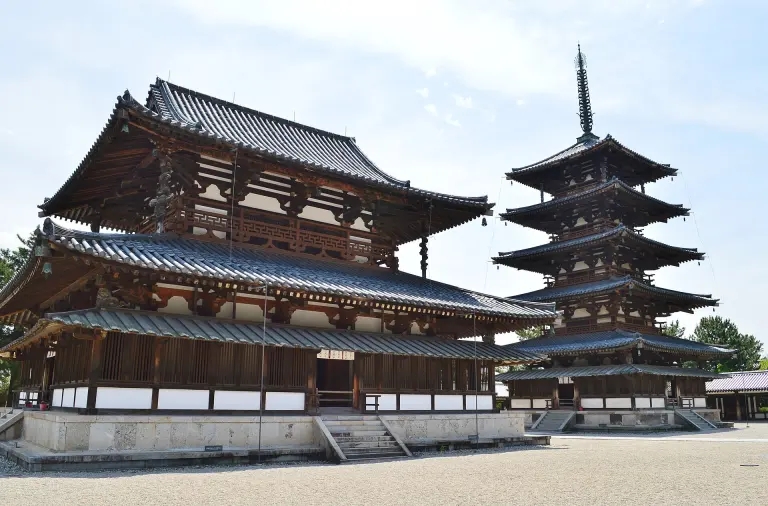
A Japanese Buddhist temple is a religious institution and built compound whose layout, images, clergy, and community roles vary by school and period.
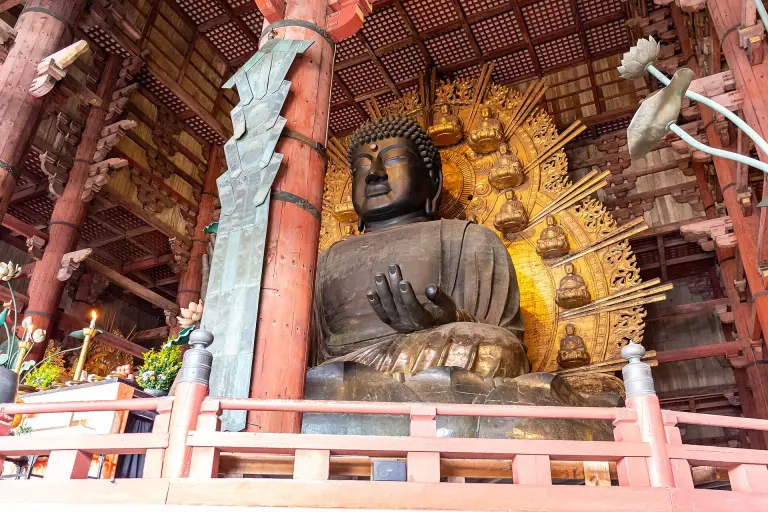
Buddhism in Japan comprises diverse schools, institutions, rituals, arts, and household practices shaped by more than fourteen centuries of transmission and change.
Shinto shrines and Buddhist temples are distinct institutions, but centuries of coexistence make simple visual rules useful rather than absolute.
Hatsumode is the first shrine or temple visit of the Japanese New Year, combining worship with omikuji, amulets, ema, and seasonal customs.
Goshuin are calligraphed records of worship received at shrines and temples, combining inscriptions, vermilion seals, and the visit date.
Omikuji are paper fortunes drawn at Japanese shrines and temples, where rankings, poems, and practical advice guide reflection rather than fixing fate.
Omamori are portable amulets issued by shrines and temples for protection or support in health, travel, study, relationships, and other concerns.