
Budō in Japanese Schools
Budō in Japanese schools combines physical education, cultural learning and respect for others, with compulsory junior-high study distinct from extracurricular clubs.
Budō in Japanese schools combines physical education, cultural learning and respect for others, with compulsory junior-high study distinct from extracurricular clubs.
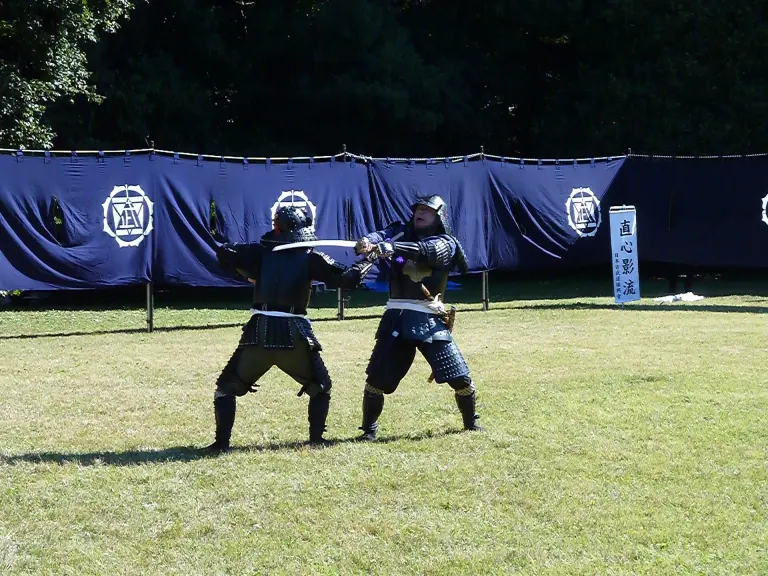
Jutsu and dō are recurring terms in Japanese martial-art names, but spelling, history, institutions, and actual curricula matter more than suffix alone.
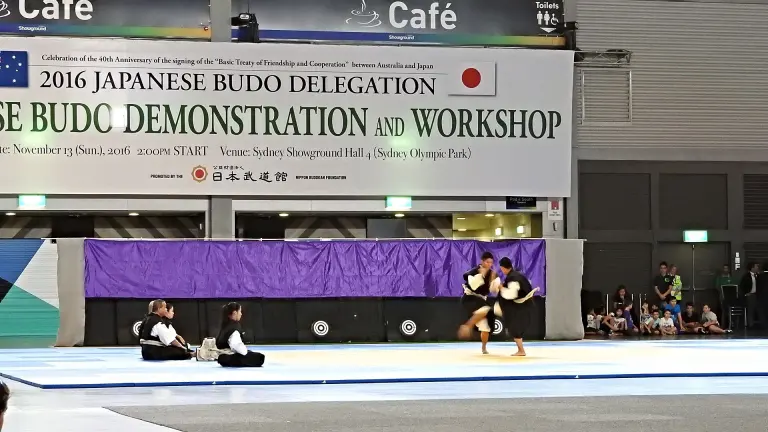
Shorinji Kempo is a Japanese martial and educational system founded by Doshin So in 1947, combining paired hard and soft techniques with philosophy and organisation.
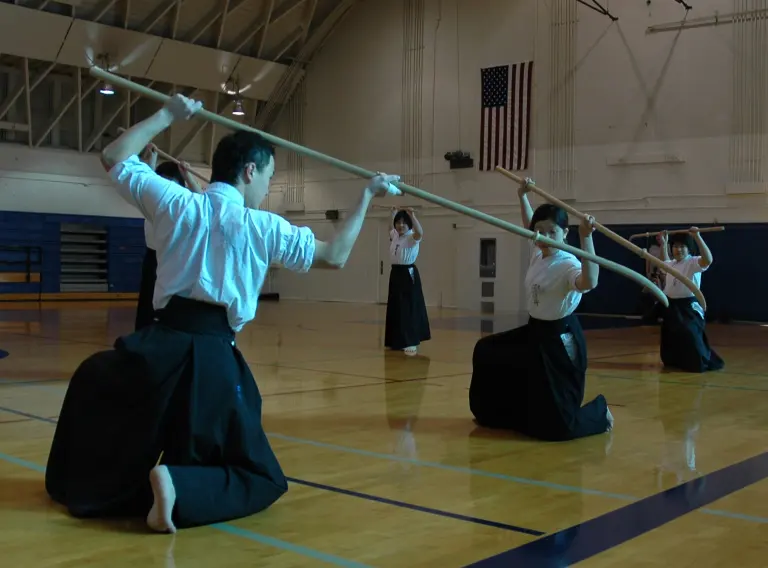
Naginata is both a curved-bladed Japanese pole weapon and a modern budo practised through protective-equipment matches, forms, grading, and demonstration.
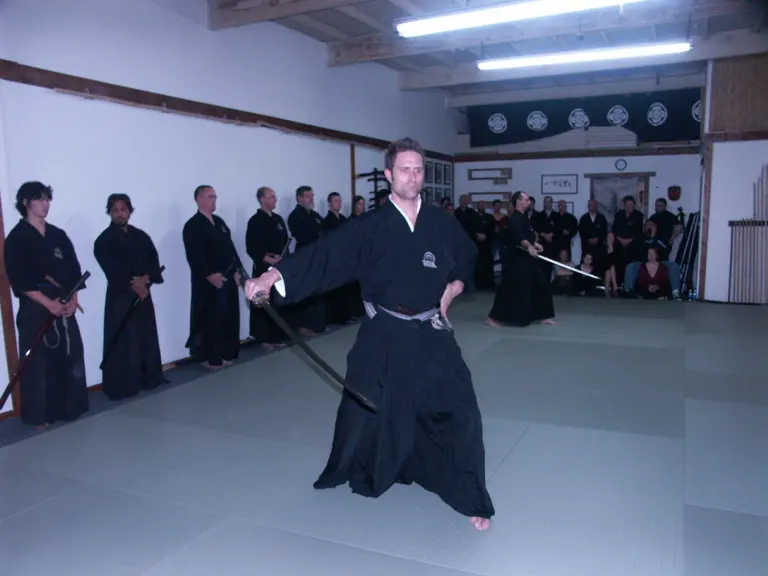
Iaido is a Japanese sword discipline built around controlled drawing, cutting, blade handling, and prescribed solo forms, with both federation and classical-school practice.
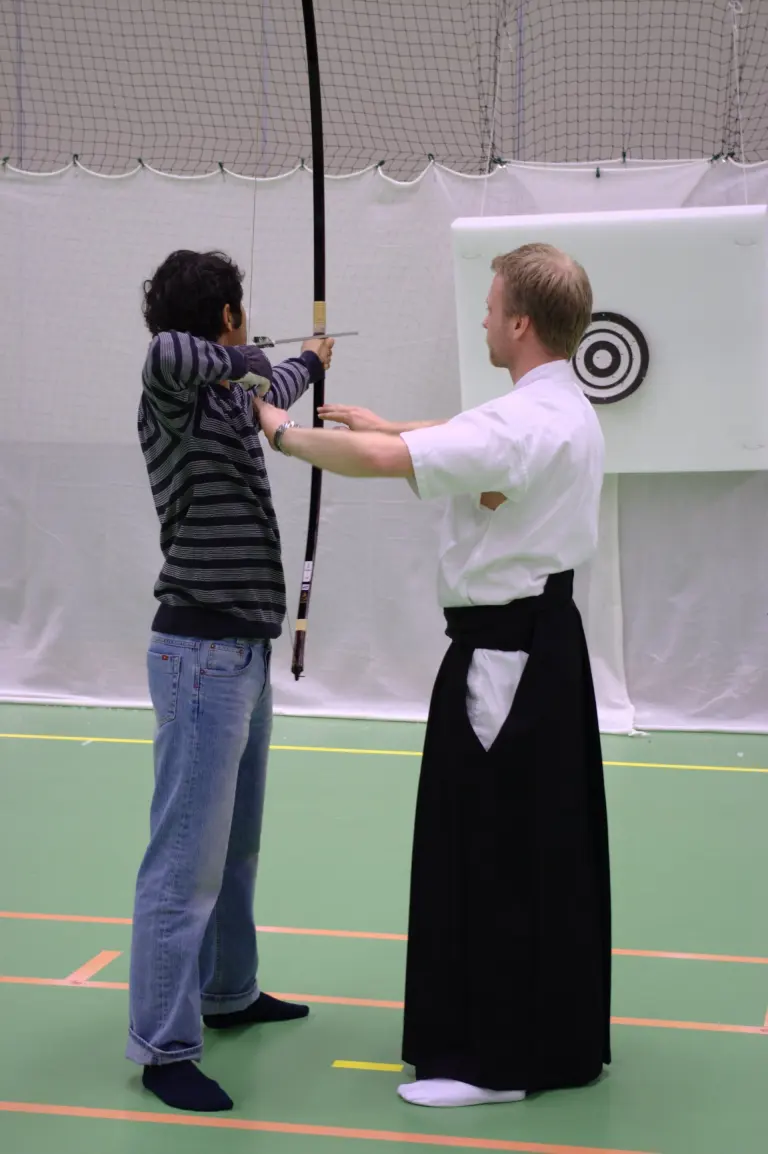
Kyudo is a Japanese archery discipline centred on the asymmetric yumi, formal shooting procedure, target practice, ceremony, and physical education.
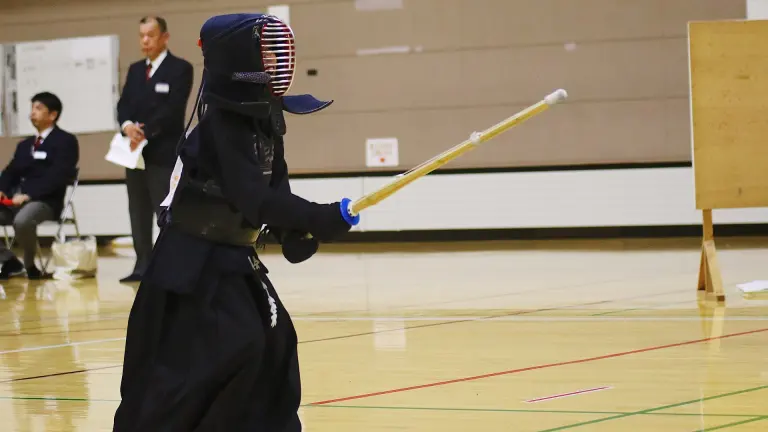
Kendo is a modern Japanese sword discipline practised with bamboo swords, protective armour, formal kata, and regulated full-contact matches.
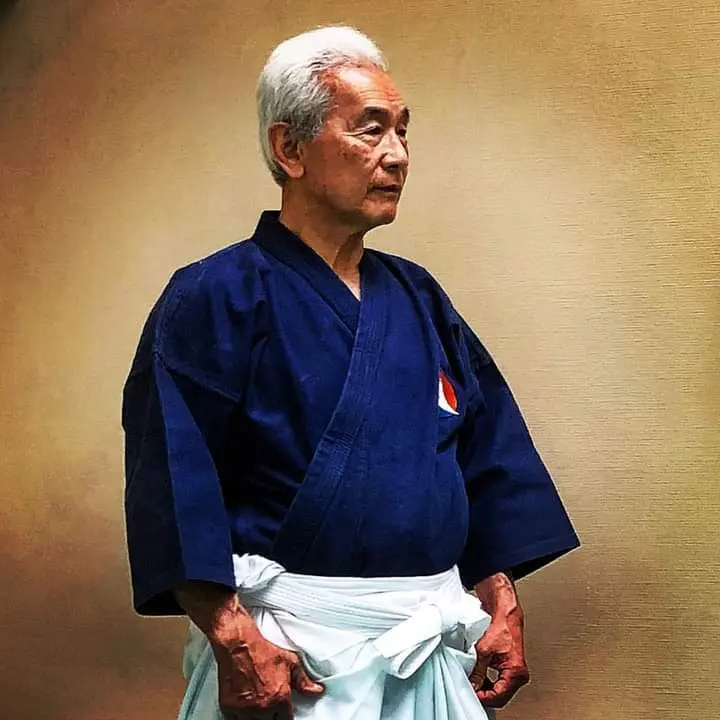
Yoseikan Budo is a modern composite martial art developed by Hiroo Mochizuki from the Yoseikan inheritance of his father Minoru Mochizuki.
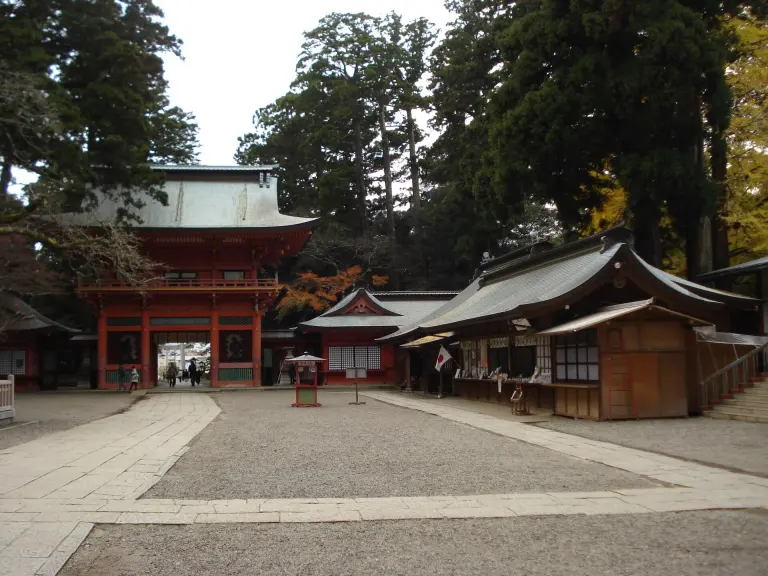
Kashima Jingu is an ancient Shinto shrine in Ibaraki dedicated to Takemikazuchi, with deep connections to warrior worship, sword traditions, and modern budo facilities.
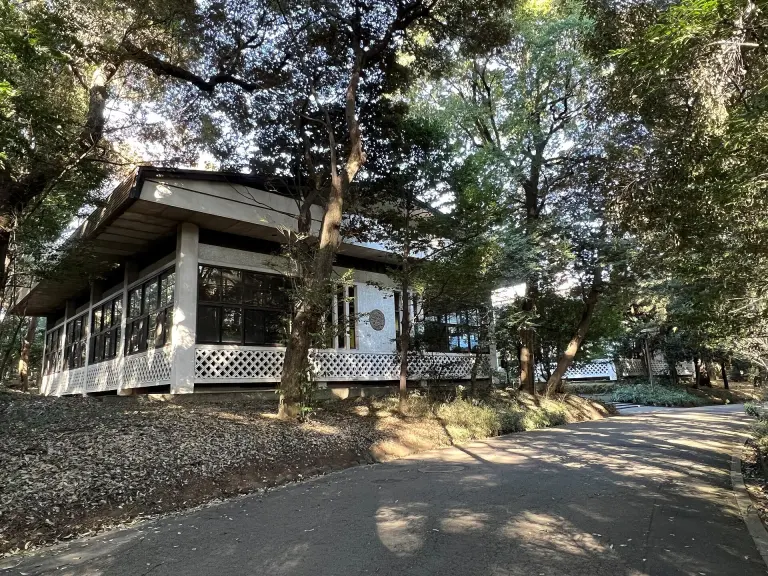
Meiji Jingu Shiseikan is a comprehensive martial-arts training hall at Meiji Shrine in Tokyo, opened in 1973 for practical and ethical education through budo.