
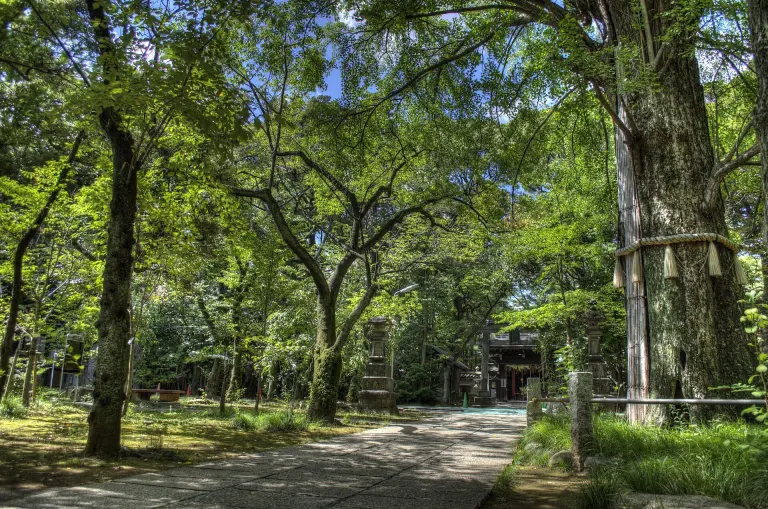
Akasaka Hikawa Shrine
A Shinto shrine in central Tokyo whose Edo-period sanctuary, sacred trees, festival traditions, and records connect Akasaka with Tokugawa patronage.
A Shinto shrine in central Tokyo whose Edo-period sanctuary, sacred trees, festival traditions, and records connect Akasaka with Tokugawa patronage.
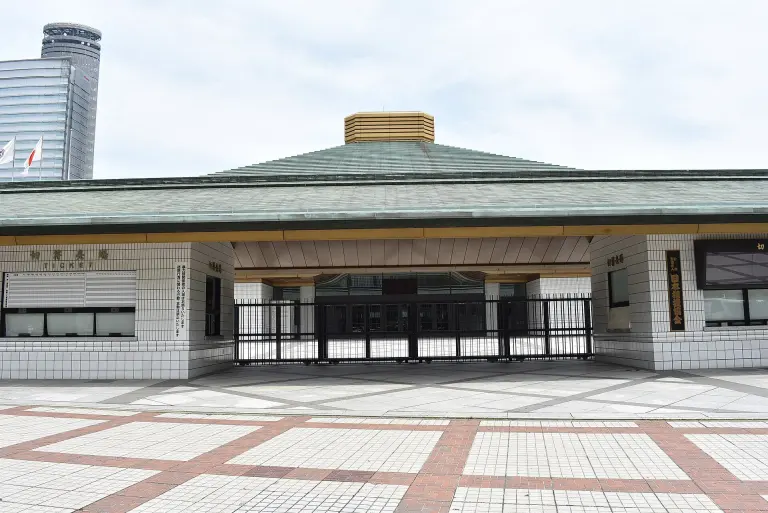
Tokyo’s principal Grand Sumo arena, institutional headquarters, museum setting, and landmark in the Ryōgoku neighbourhood.
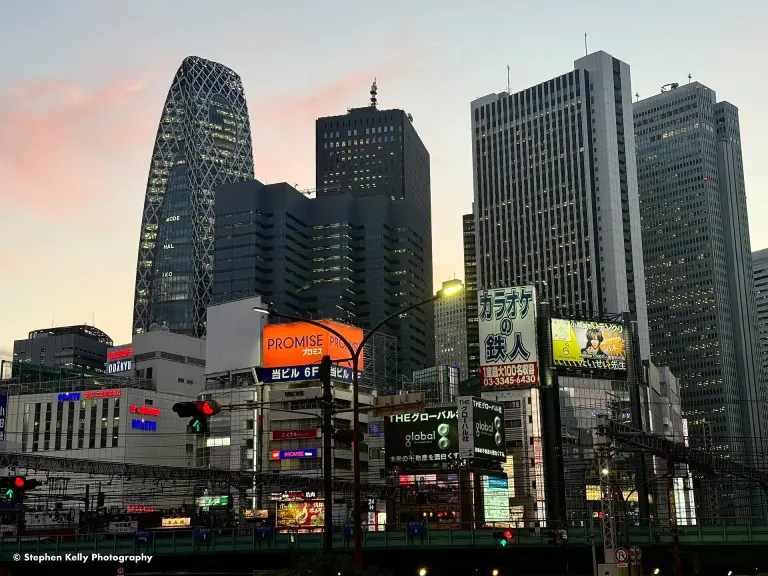
A cultural and historical guide to Shinjuku as a Tokyo special ward, transport center, business district, entertainment landscape, and diverse residential city.
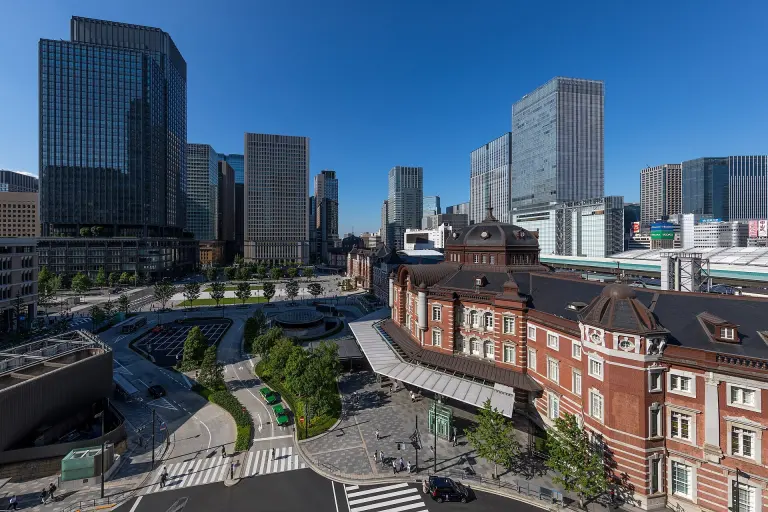
Tokyo is Japan’s capital metropolis, shaped by the transformation of Edo, repeated rebuilding, layered neighborhoods, and global urban life.
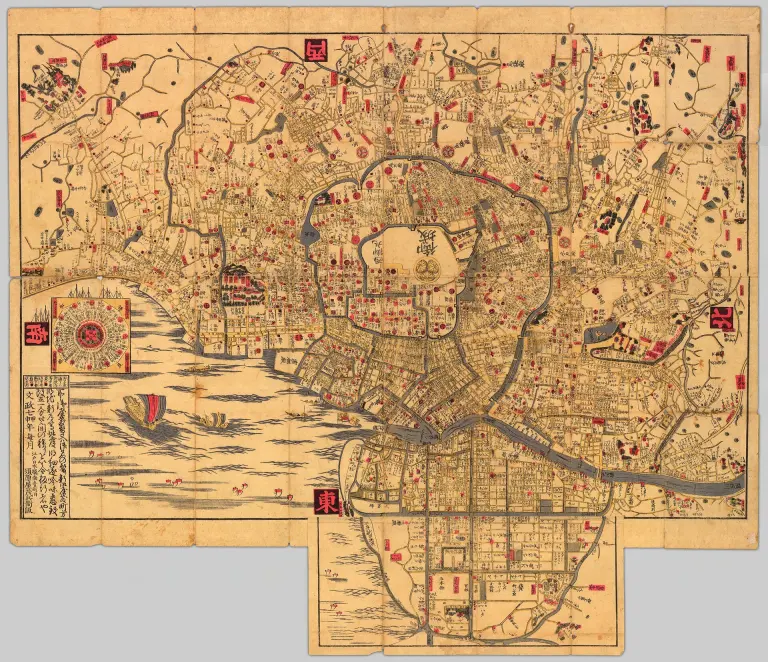
Edo was the Tokugawa shogunate’s castle city and political center, renamed Tokyo in 1868 after centuries of urban growth.
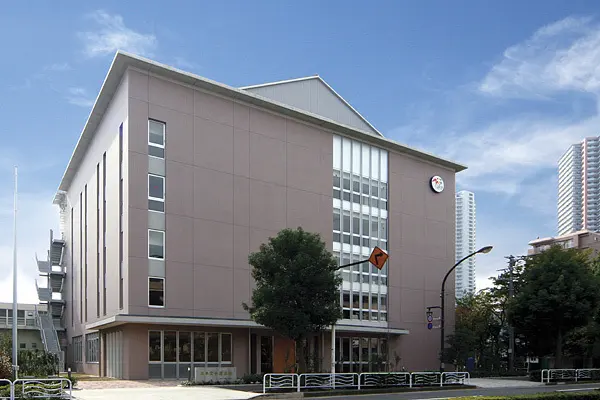
The Japan Karatedo Federation is Japan’s national Karate federation, coordinating regional, school, workplace and style organisations, competition, qualifications and national teams.
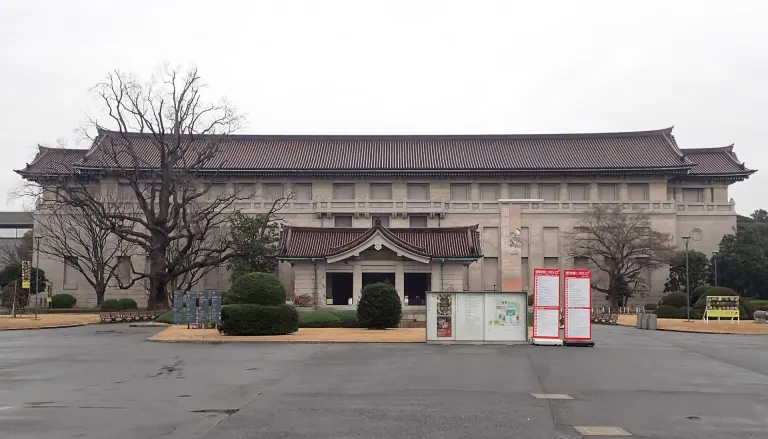
Japan’s oldest national museum, collecting, conserving, researching, and exhibiting Asian art and archaeology with a central focus on Japan.
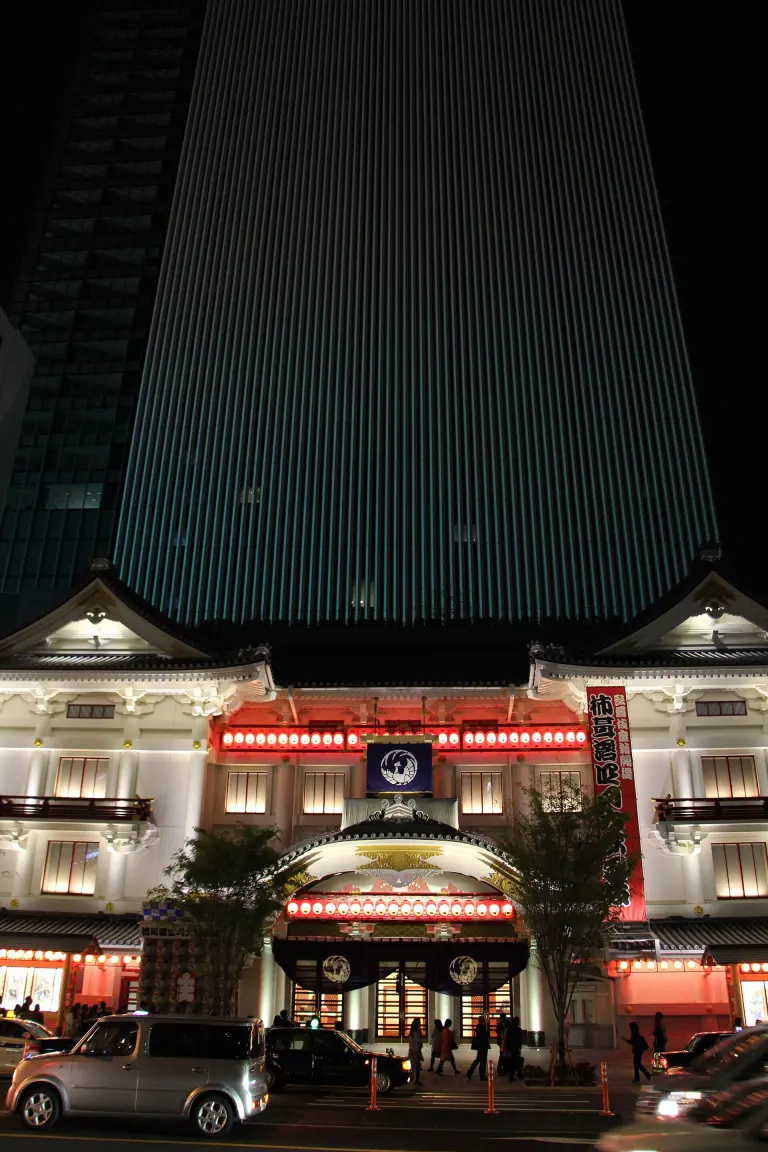
Tokyo’s principal Kabuki theatre, operating in Ginza through five successive buildings since its first opening in 1889.
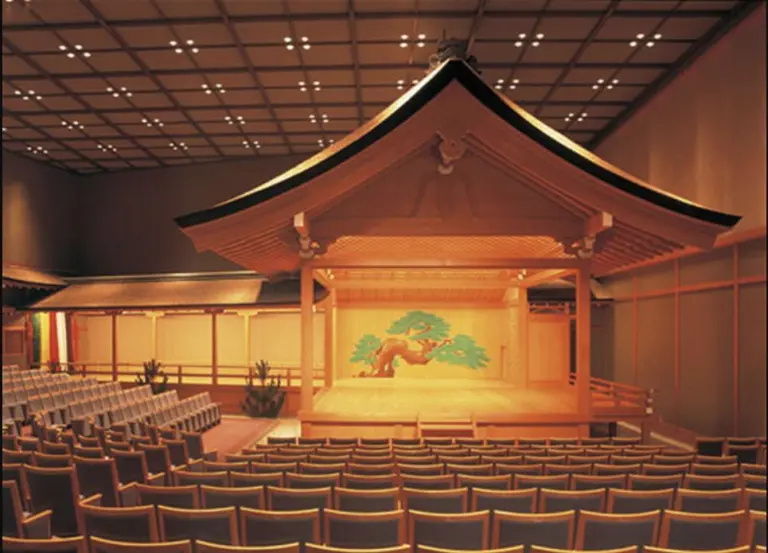
Japan’s national theatre for Noh and Kyōgen, combining a purpose-built stage with performance, research, exhibition, and training functions in Tokyo.
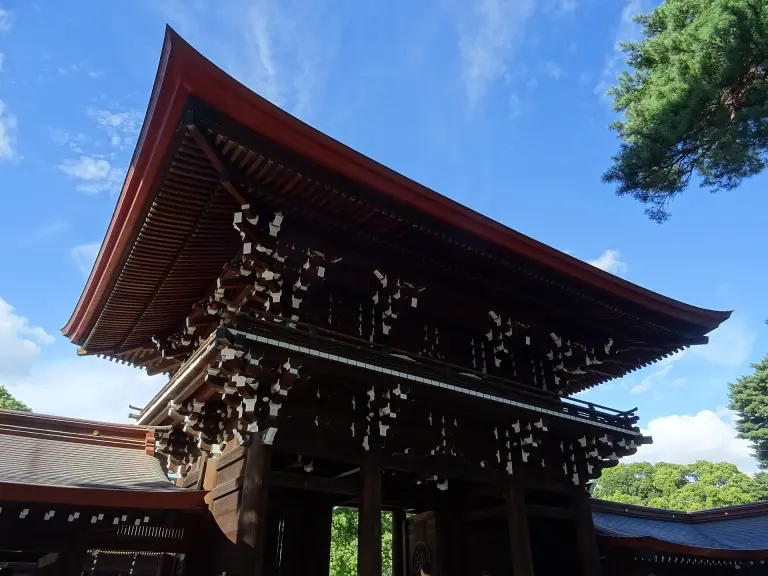
Meiji Jingū is a Tokyo shrine founded in 1920 for Emperor Meiji and Empress Shōken within a deliberately designed self-renewing forest.