
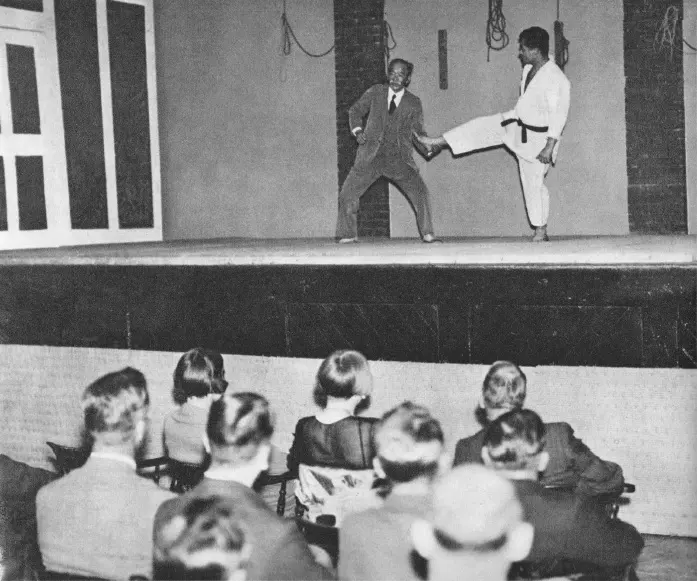
Japanese Martial Arts Lineage Map
A selective visual map connecting classical Jujutsu, Kodokan Judo, Aikido, Okinawan Karate, and later international grappling pathways.
A selective visual map connecting classical Jujutsu, Kodokan Judo, Aikido, Okinawan Karate, and later international grappling pathways.
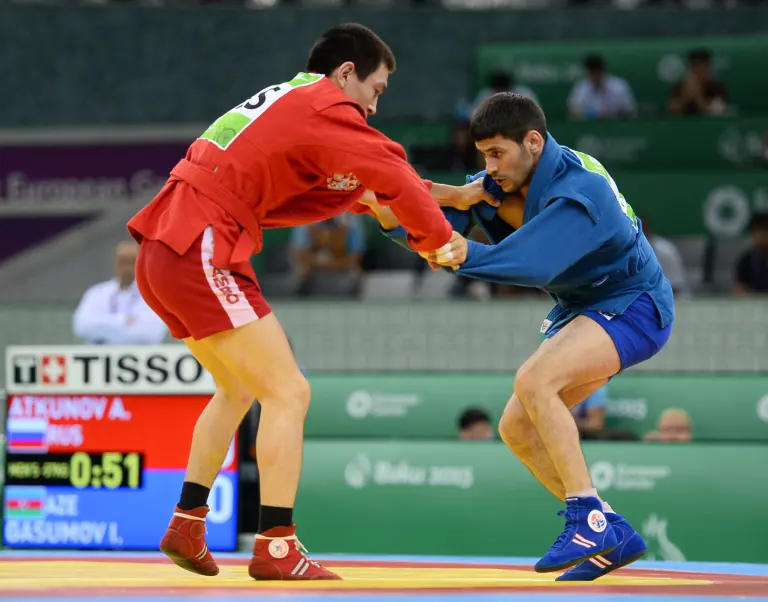
Sambo is a Soviet-developed martial art and combat sport shaped by Judo, regional wrestling traditions, and organised self-defence training.
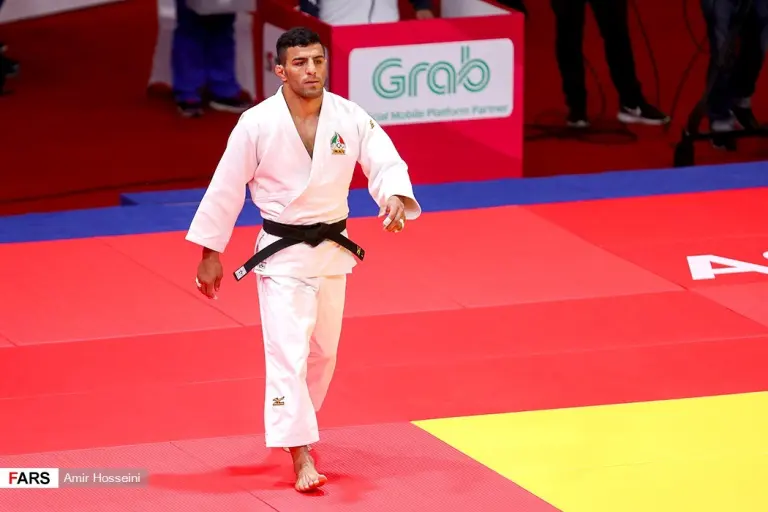
Judo entered the Asian Games in Seoul in 1986 and now features men’s and women’s weight-category events plus a mixed-team competition.
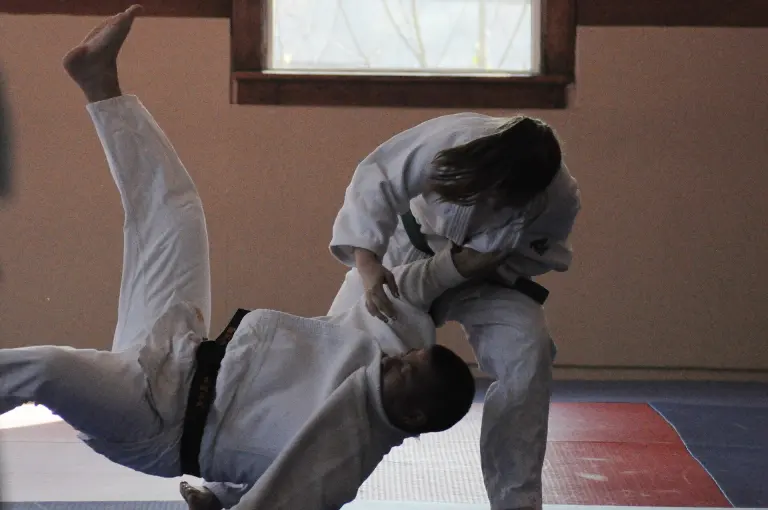
Browse and search the 100 officially named Kodokan Judo techniques by classification, kata, Gokyo group, and documented promotion references.
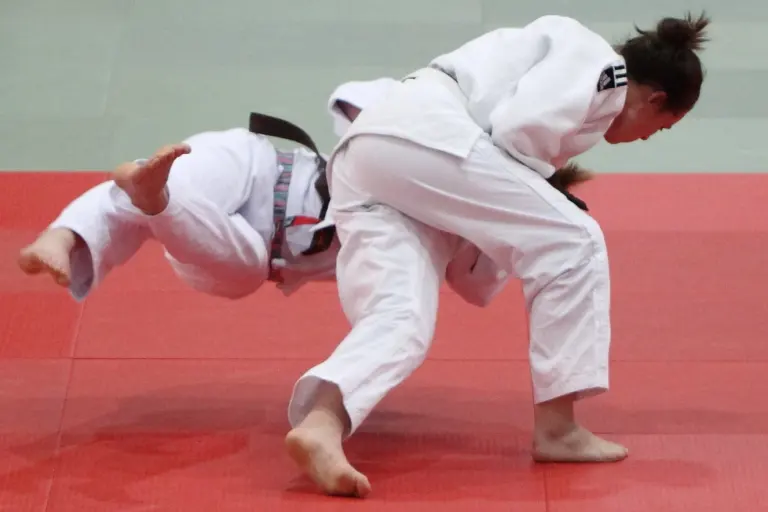
Keito-waza is an editorial learning index that connects related Judo names and variations without changing the official Kodokan classification.
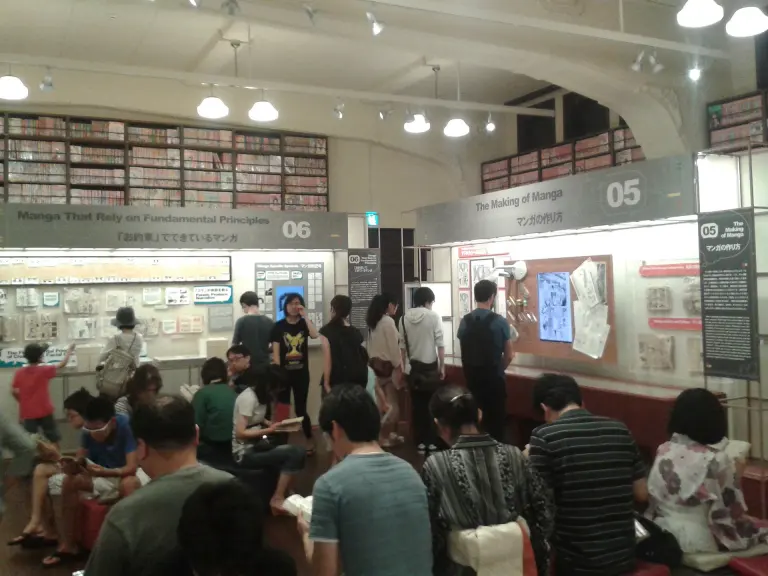
Judo manga and anime have represented Japanese dojo, school clubs, competition and women’s Judo through changing genres from the postwar period onward.
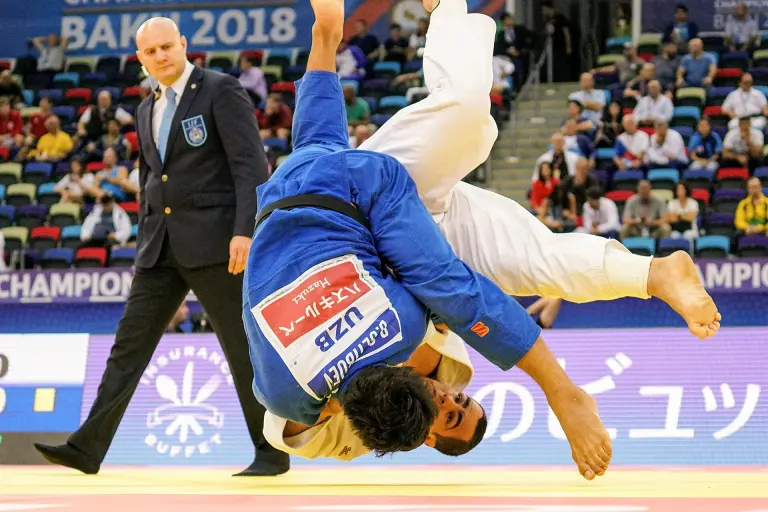
Kaeshi-waza are Judo counter techniques that use the timing, direction or imbalance of an opponent’s attack to produce a legal response.
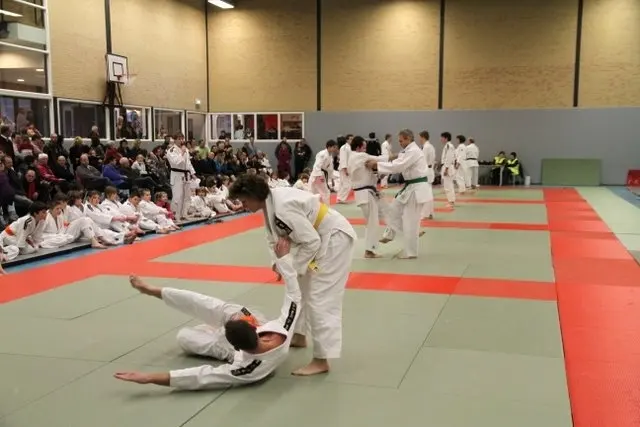
Renraku-waza are Judo combinations that connect attacks through the opponent’s changing posture and reaction rather than treating each technique in isolation.
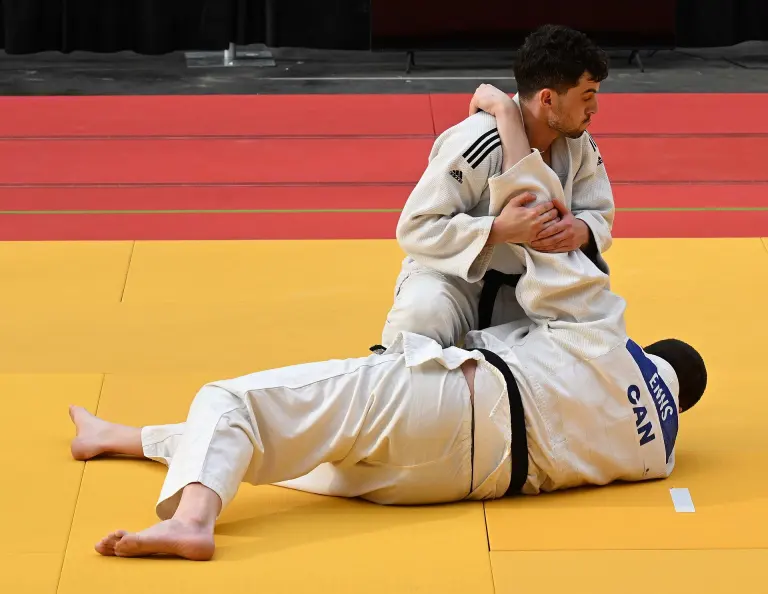
Kansetsu-waza are the ten Kodokan joint-locking techniques, whose classical syllabus is broader than the joint locks permitted in modern IJF contests.