Cultural Geography
Osaka Castle
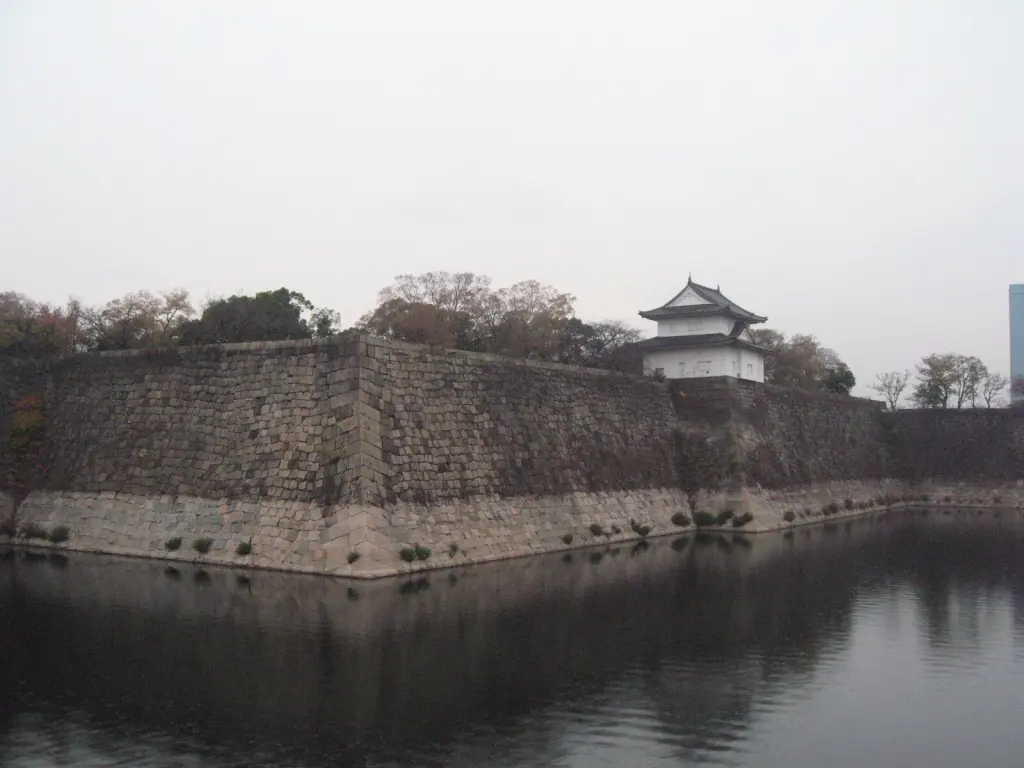
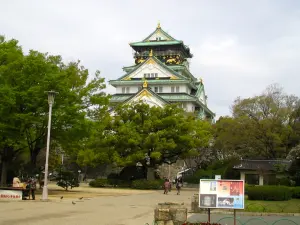
Image: Terence Ong / Wikimedia Commons · CC BY 2.5
Overview
One site. Toyotomi, Tokugawa and modern Osaka.
Osaka Castle (Ōsaka-jō, 大阪城) is a fortified historic site in Osaka associated with Toyotomi Hideyoshi, the Tokugawa shogunate and modern civic reconstruction. Hideyoshi began his castle in 1583, but the visible complex cannot simply be described as his surviving fortress. The Toyotomi castle fell in 1615, the Tokugawa rebuilt the site, and the present main keep dates to 1931. That keep was created with citizens’ donations and has functioned as a museum from its opening. Stone walls, moats, gates, archaeological evidence and the modern tower consequently belong to different chapters of the same place. Distinguishing those layers is the key to reading Osaka Castle.
Castle begun in 1583.
Rebuilt walls, moats and buildings.
Civic reconstruction and museum, 1931.
At a glance
- Japanese name
- 大阪城 — Ōsaka-jō
- Location
- Osaka, Osaka Prefecture
- Toyotomi construction
- Began in 1583
- Present keep
- Reconstructed in 1931
- Present function
- Historic site, museum and park setting
01
Hideyoshi’s castle and the fall of the Toyotomi
For the ruler’s wider career, court office and overseas campaigns, see Toyotomi Hideyoshi.
Construction began on the former site of Osaka Honganji, also known as Ishiyama Honganji. The castle expressed Hideyoshi’s political position in the late-sixteenth-century process of unification. Its destruction during the Summer Siege of 1615 ended the Toyotomi phase; the standing tower is not that original building.
02
Tokugawa rebuilding changed the site
The shogunate rebuilt Osaka Castle after the Toyotomi defeat. The official museum identifies the visible historic walls, moats and buildings as Tokugawa-period or later features. Earlier remains and later works therefore need to be distinguished when interpreting the site. The enormous masonry is part of the castle’s history in its own right.
03
Three periods to keep separate
Toyotomi
- Evidence and interpretation
- The castle begun in 1583; destruction in 1615.
Tokugawa
- Evidence and interpretation
- Rebuilt fortifications and a replacement keep, which burned in 1665.
Modern Osaka
- Evidence and interpretation
- The 1931 keep and museum, funded through civic donations.
04
The 1931 keep is also historic architecture
The current tower belongs to twentieth-century reconstruction and museum history. Its significance includes the public campaign that made rebuilding possible. The museum’s ninetieth-anniversary programme documented this civic legacy. A modern reconstruction can have historical value without becoming a surviving sixteenth-century timber keep.
05
Collections interpret a history larger than the tower
Osaka Castle Museum holds objects connected with Hideyoshi, the age of regional warfare and the castle’s subsequent history. Changing exhibitions interpret that evidence. Exhibits within the tower and surviving features outside it provide complementary ways to understand the site. The current programme should be checked with the museum.
06
Read walls, keep and city together
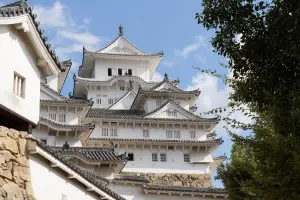
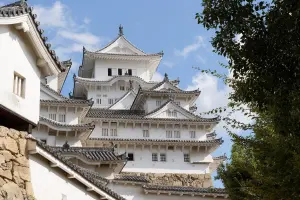
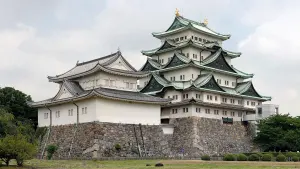
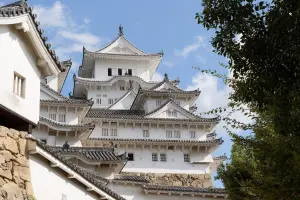
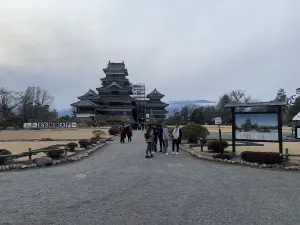
Castle Structure explains the difference between a keep and the fortified compound. Osaka places the site within the history of the city. Comparison with Nagoya Castle shows another modern rebuilding history, while Himeji Castle provides a contrasting example of surviving timber architecture.
Sources
Last updated: