
Cultural Geography
Nagoya Castle
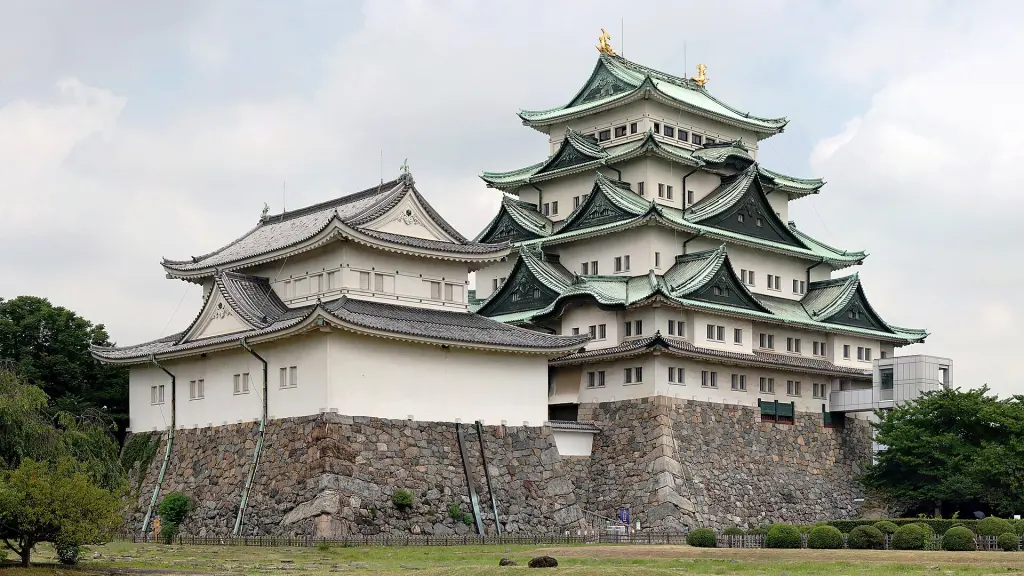
Image: Base64; edited by Arad / Wikimedia Commons · CC BY-SA 3.0
Overview
A Tokugawa seat, preserved and rebuilt.
Nagoya Castle (Nagoya-jō, 名古屋城) is the former seat of the Owari Tokugawa family in present-day Nagoya, Aichi Prefecture. Construction began in 1610 on Tokugawa Ieyasu’s orders, with the keeps completed in 1612 and the Hommaru Palace in 1615. Its history is closely connected with the transfer of the regional centre from Kiyosu and the growth of Nagoya as a castle town. The present site combines surviving gates, turrets and stonework with later rebuilding. The original keeps and palace burned in 1945; the keeps were reconstructed in 1959, and palace reconstruction was completed in 2018. These distinct histories are essential to interpreting the castle accurately.
Original keeps completed.
Present keeps reconstructed.
Hommaru Palace reconstruction completed.
At a glance
- Japanese name
- 名古屋城 — Nagoya-jō
- Location
- Nagoya, Aichi Prefecture
- Historic household
- Owari Tokugawa family
- Initial construction
- 1610; keeps 1612; palace 1615
- Rebuilt structures
- Keeps 1959; palace completed 2018
01
A new seat for the Owari Tokugawa
Ieyasu ordered the new castle as part of the consolidation of Tokugawa rule. The move from Kiyosu reorganised the regional political centre and helped shape Nagoya. Nagoya University’s account of the city places its castle-town formation within a longer history of urban development.
02
The keep and palace have separate timelines
1610–1615
- Change
- Construction of the castle and initial palace.
1945
- Change
- Air raids destroy the original keeps and palace.
1959
- Change
- Keeps reconstructed in steel-reinforced concrete.
2009–2018
- Change
- Hommaru Palace reconstruction campaign.
03
Hommaru Palace: residence and official reception
The palace was a complex of reception and administrative rooms rather than the tall keep. Its reconstruction drew on surviving architectural documentation and historical evidence. Reading the palace alongside Castle Structure clarifies the difference between honmaru, the enclosure, and goten, the palace within it.
04
The golden shachi belong to a rebuilt keep
The keep’s roof ornaments are shachi, mythical creatures conventionally associated with protection against fire. The standing keep is the 1959 reconstruction, not the timber building completed in 1612. Current official information states that the main keep cannot be entered because of ageing and earthquake-resistance concerns. Access to the grounds and palace is a separate matter.
05
Turrets, gates and stone walls retain older evidence
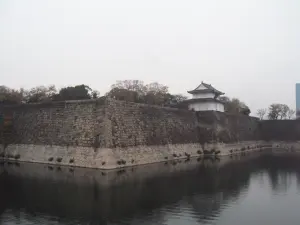
Several important structures survived the destruction that affected the keep and palace. Corner turrets and gates should be considered individually, with their own dates and conservation histories. Stone walls also preserve traces of the large construction effort. A single label such as rebuilt castle conceals these differences.
06
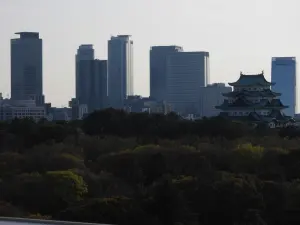
Read the castle within its city and wider family
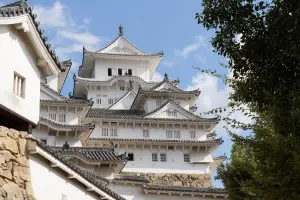
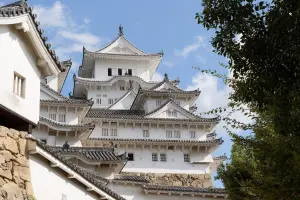
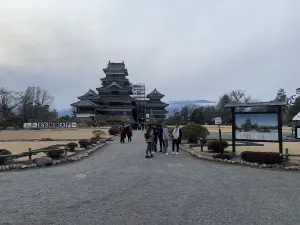
Nagoya Castle is one example within the broader history of Japanese Castles. Comparison with Osaka Castle highlights different rebuilding histories; comparison with Himeji Castle highlights differences in surviving timber fabric. Opening arrangements and reconstruction proposals should be checked on the official site rather than inferred from older photographs.
Sources
Last updated:
.jpg)