
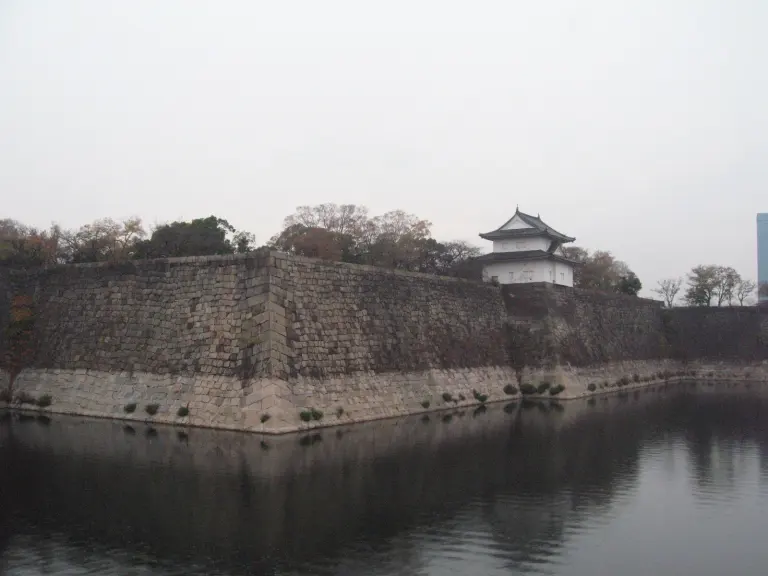
Osaka Castle
Osaka Castle combines Toyotomi origins, Tokugawa fortifications and a 1931 reconstructed keep that has served as a museum since its opening.
Osaka Castle combines Toyotomi origins, Tokugawa fortifications and a 1931 reconstructed keep that has served as a museum since its opening.
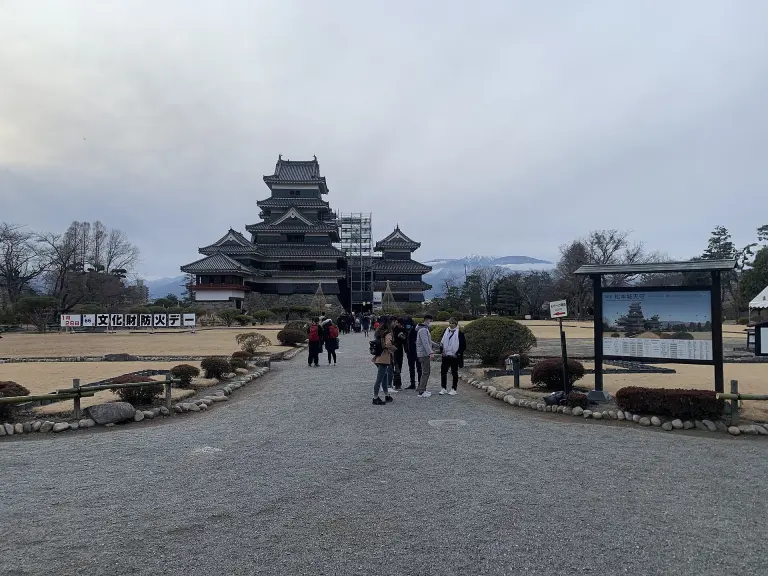
Matsumoto Castle preserves a connected timber keep complex whose defensive towers and later moon-viewing spaces reveal different phases of castle life.
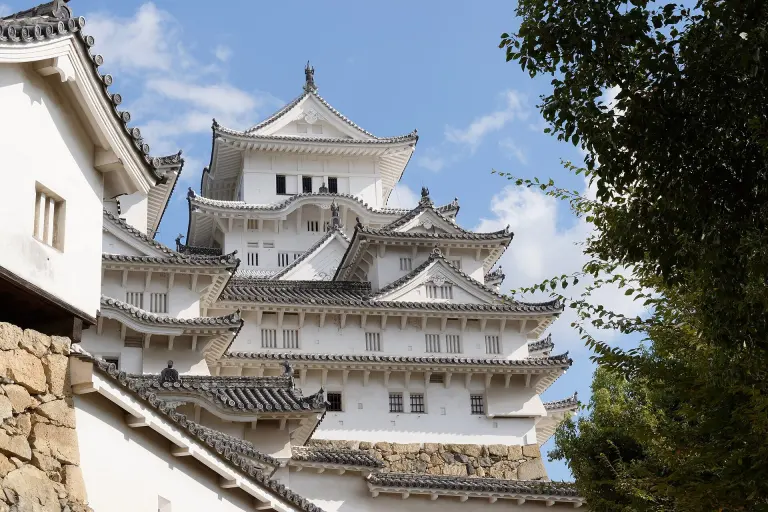
Himeji Castle preserves an early-seventeenth-century timber keep complex, defensive routes and white-plastered buildings within a UNESCO World Heritage site.
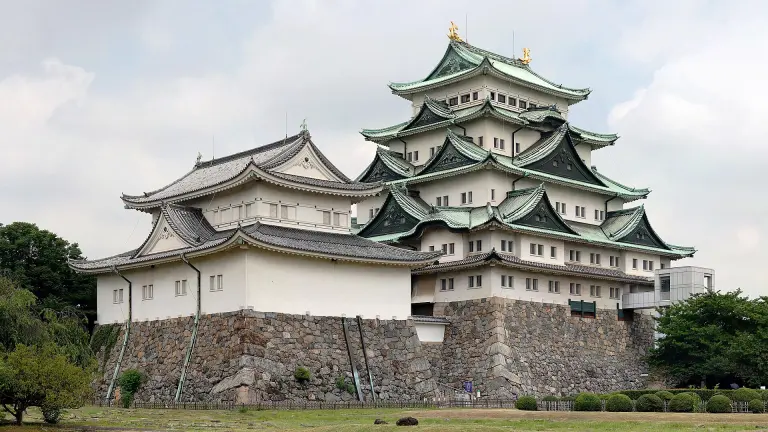
Nagoya Castle was the Owari Tokugawa seat; its surviving fortifications, reconstructed keep and rebuilt Hommaru Palace preserve distinct chapters of the site’s history.
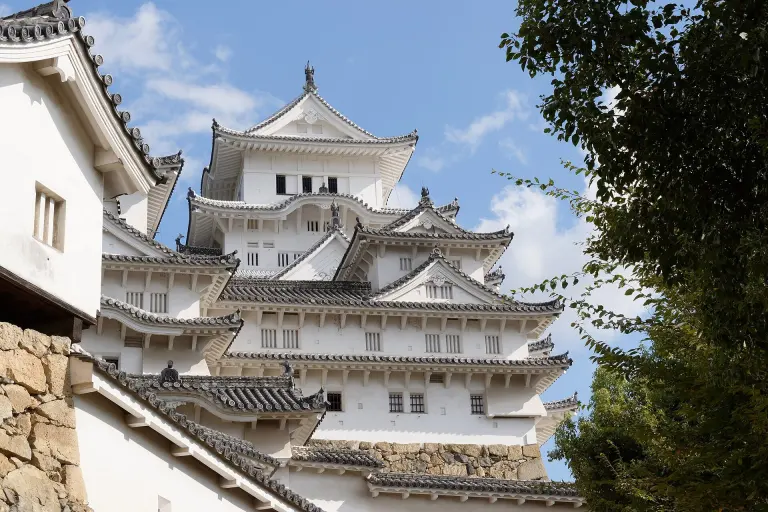
Tenshu, honmaru, yagura and ishigaki describe different parts of a Japanese castle: its main keep, principal enclosure, turrets and stone walls.
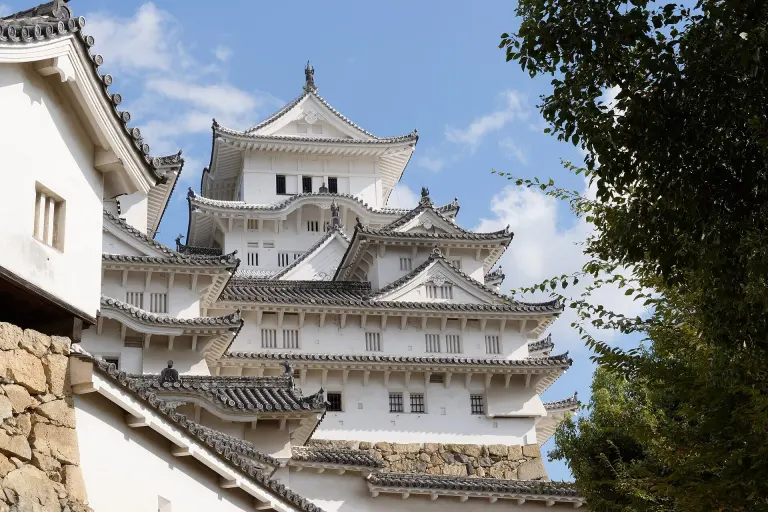
Japanese castles combine fortifications, administrative spaces and symbols of authority; surviving sites preserve different mixtures of historic fabric and later reconstruction.