
Ryukyu Kingdom
An island monarchy centred on Shuri, shaped by maritime exchange, changing relations with China and Japan, and its abolition in the nineteenth century.
An island monarchy centred on Shuri, shaped by maritime exchange, changing relations with China and Japan, and its abolition in the nineteenth century.
The Ryukyu Kingdom’s royal centre in Naha, understood through its archaeological remains, reconstructed buildings, court functions and continuing restoration.
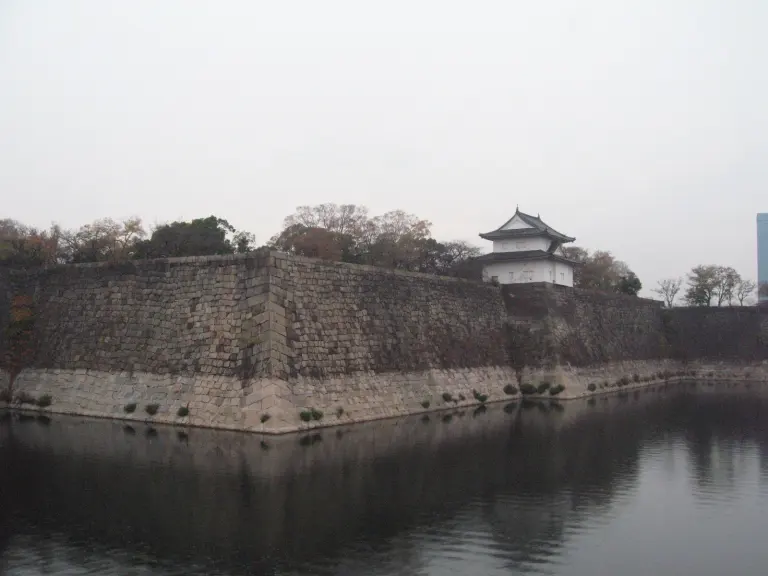
Osaka Castle combines Toyotomi origins, Tokugawa fortifications and a 1931 reconstructed keep that has served as a museum since its opening.
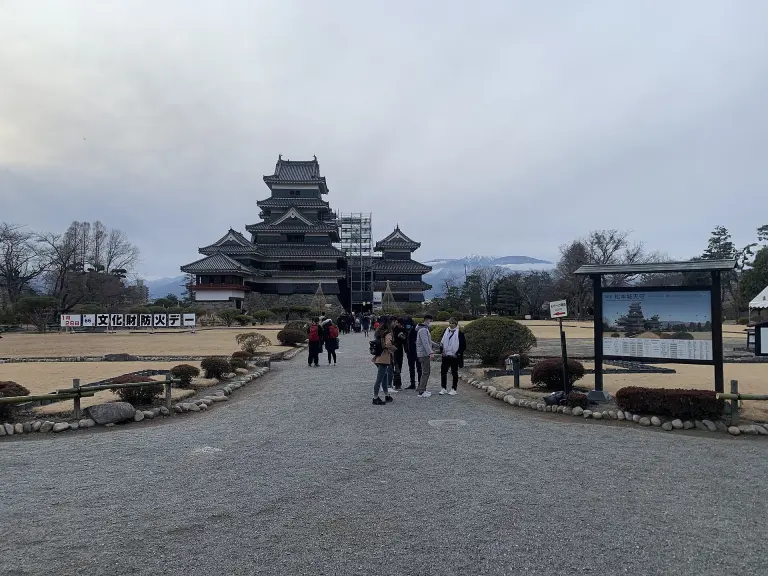
Matsumoto Castle preserves a connected timber keep complex whose defensive towers and later moon-viewing spaces reveal different phases of castle life.
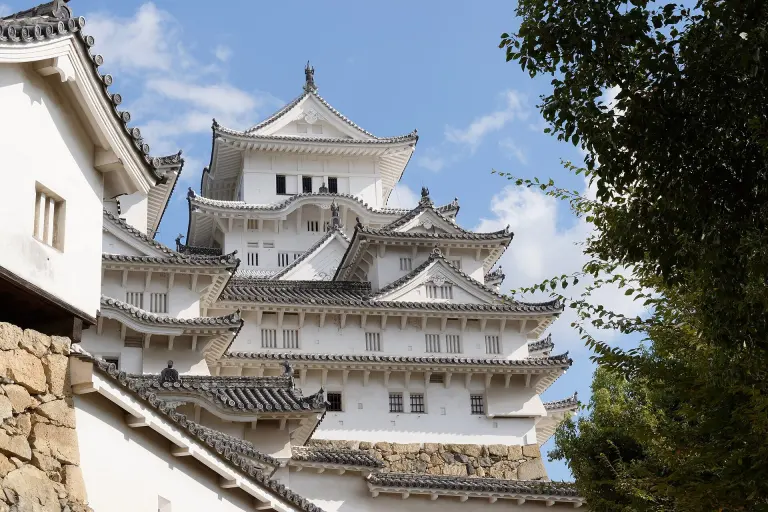
Himeji Castle preserves an early-seventeenth-century timber keep complex, defensive routes and white-plastered buildings within a UNESCO World Heritage site.
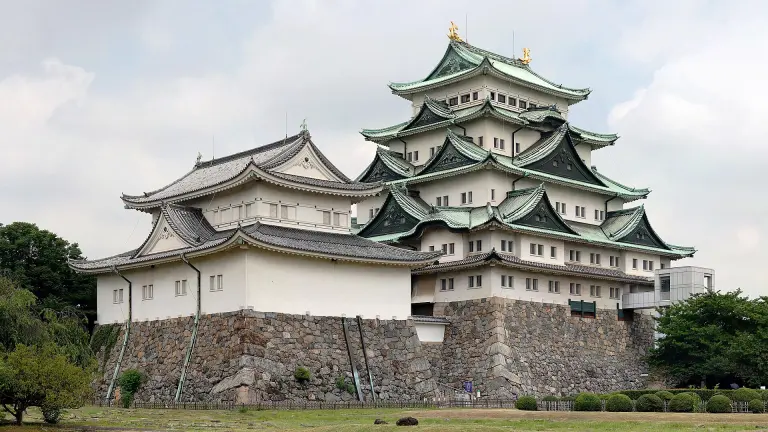
Nagoya Castle was the Owari Tokugawa seat; its surviving fortifications, reconstructed keep and rebuilt Hommaru Palace preserve distinct chapters of the site’s history.
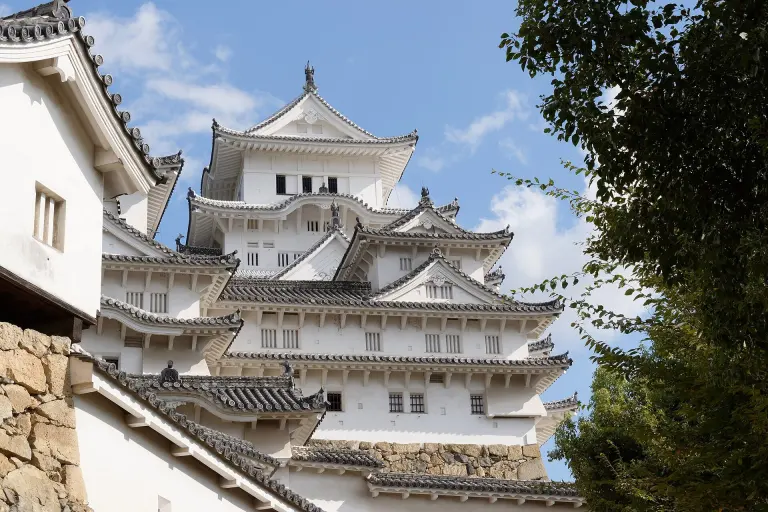
Tenshu, honmaru, yagura and ishigaki describe different parts of a Japanese castle: its main keep, principal enclosure, turrets and stone walls.
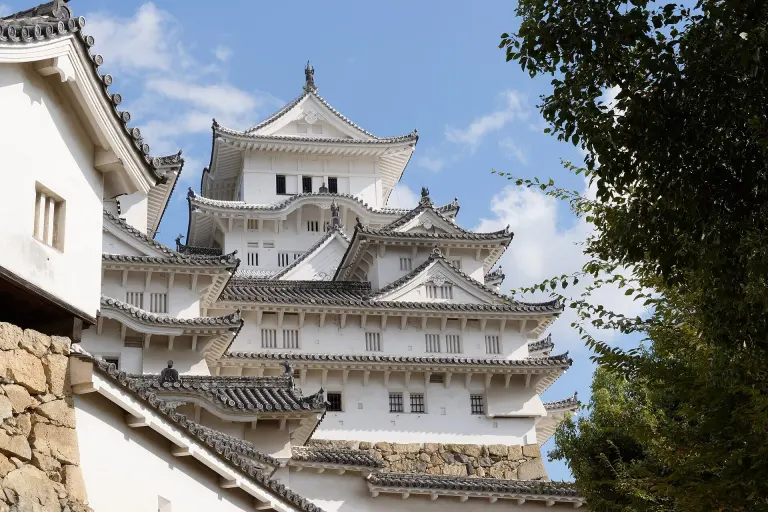
Japanese castles combine fortifications, administrative spaces and symbols of authority; surviving sites preserve different mixtures of historic fabric and later reconstruction.
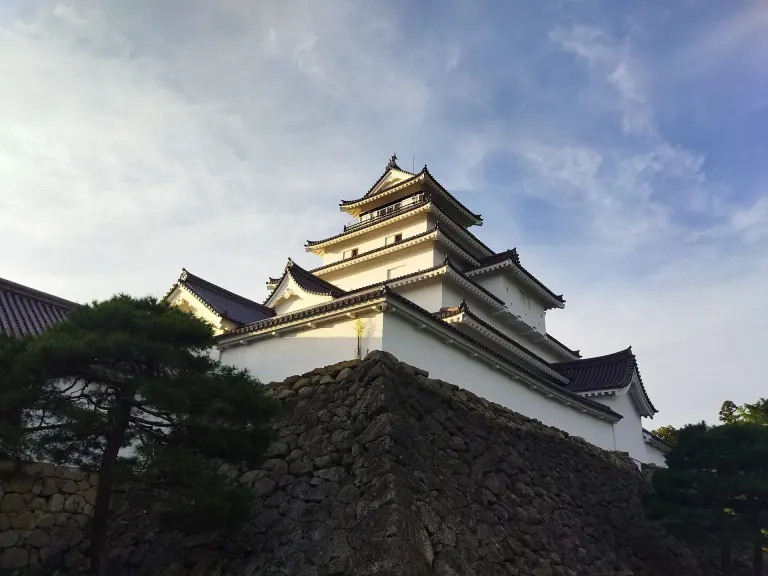
A guide to Aizuwakamatsu’s castle-town history, the Aizu domain, the Boshin War, urban heritage, crafts, museums, and modern regional identity.
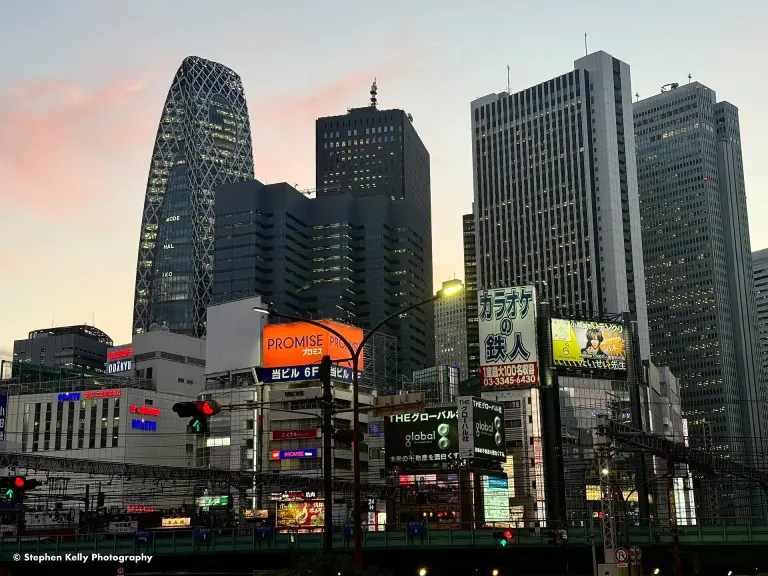
A cultural and historical guide to Shinjuku as a Tokyo special ward, transport center, business district, entertainment landscape, and diverse residential city.