
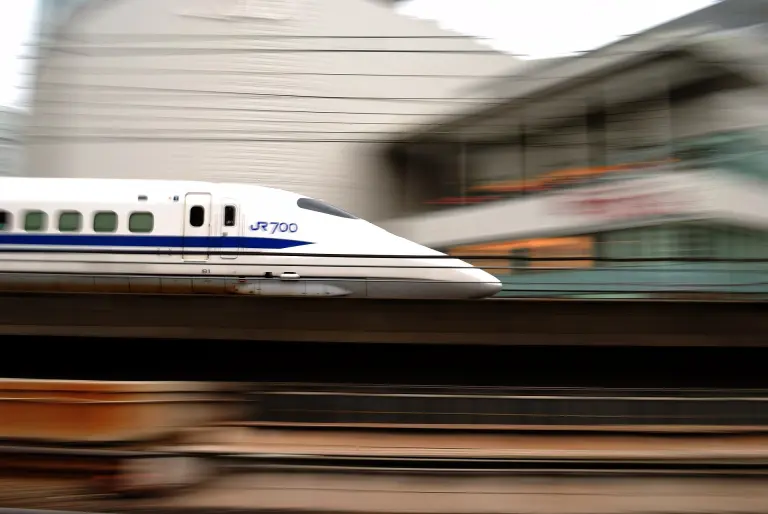
Japanese Trains
An overview of Japan’s railways, from the first line of 1872 and the Shinkansen to commuter networks, private operators, and station-centered urban life.
An overview of Japan’s railways, from the first line of 1872 and the Shinkansen to commuter networks, private operators, and station-centered urban life.
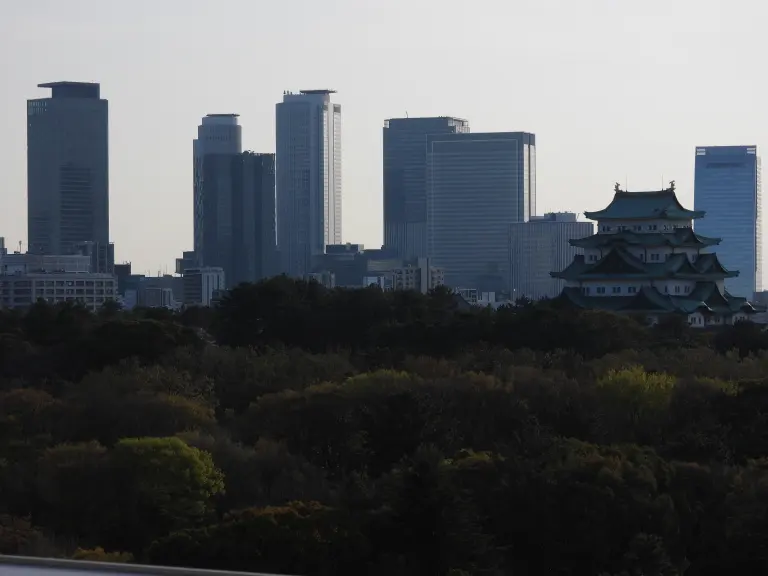
Nagoya is Aichi Prefecture’s capital, a Tokugawa castle town transformed into a major port, transport hub, manufacturing centre, and 2026 Asian Games host.
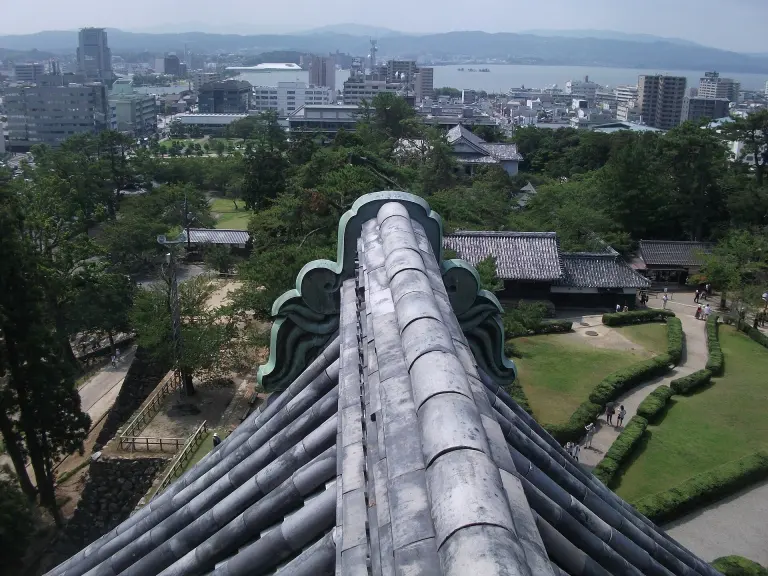
Matsue is a water-shaped castle city where an original keep, canals, tea culture, Lafcadio Hearn, and Izumo traditions meet.
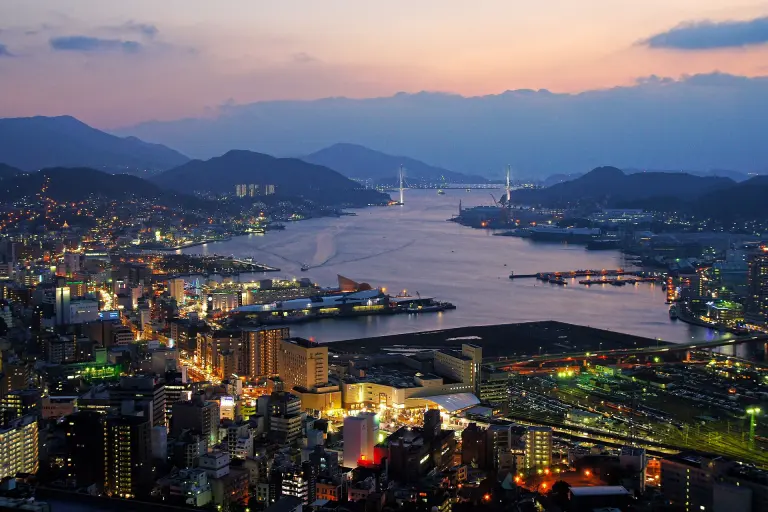
Nagasaki is a steep-sided port city shaped by Asian and European exchange, Christianity, industry, atomic bombing, and peace memory.

Hiroshima is a river-delta city whose castle-town, military, atomic-bombing, reconstruction, and peace histories remain visible together.
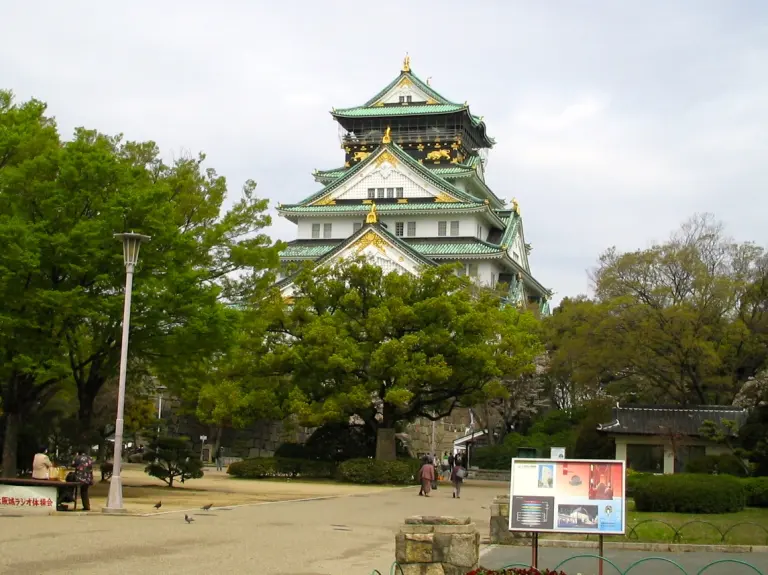
Osaka is a historic port and merchant metropolis shaped by Naniwa, waterways, Osaka Castle, industry, food culture, and performance.
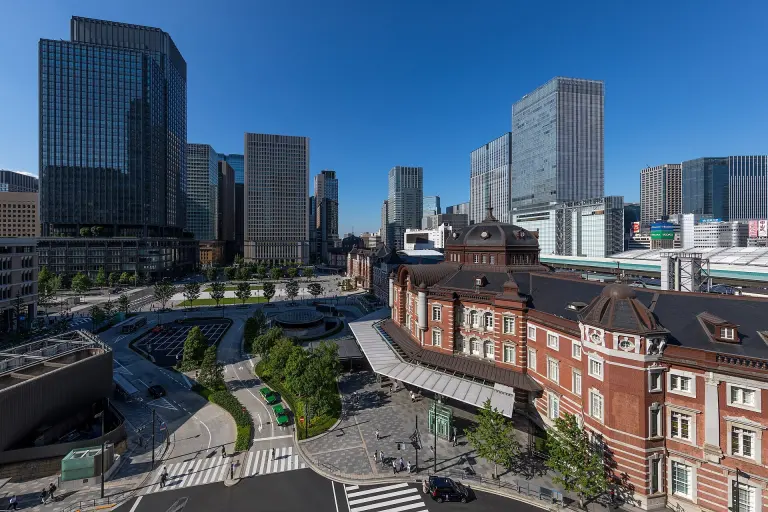
Tokyo is Japan’s capital metropolis, shaped by the transformation of Edo, repeated rebuilding, layered neighborhoods, and global urban life.
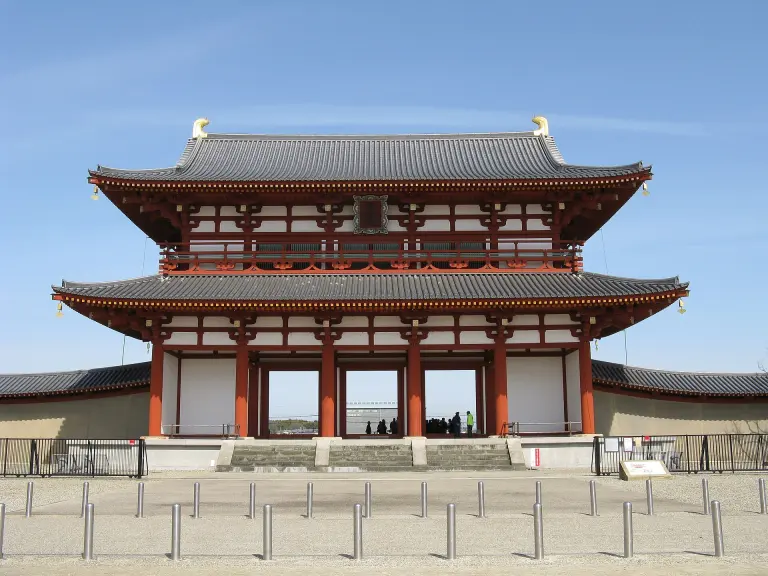
Heijō-kyō was the planned eighth-century capital centered on the Heijō Palace site in present-day Nara, interpreted through archaeology.
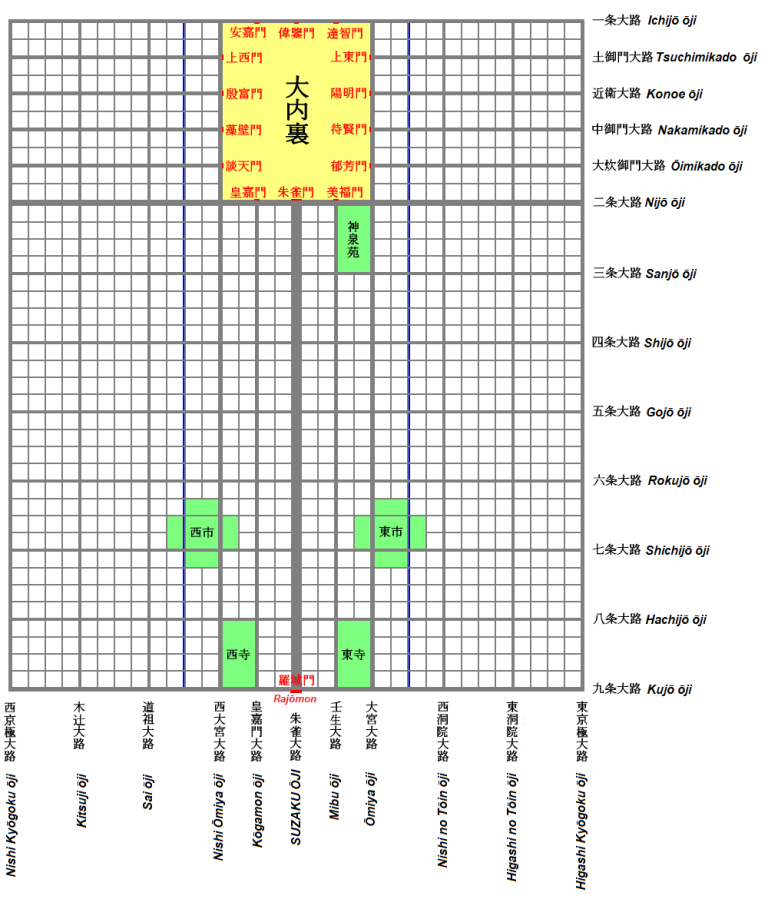
Heian-kyō was the planned imperial capital founded in 794 and the historical urban framework from which Kyoto developed.
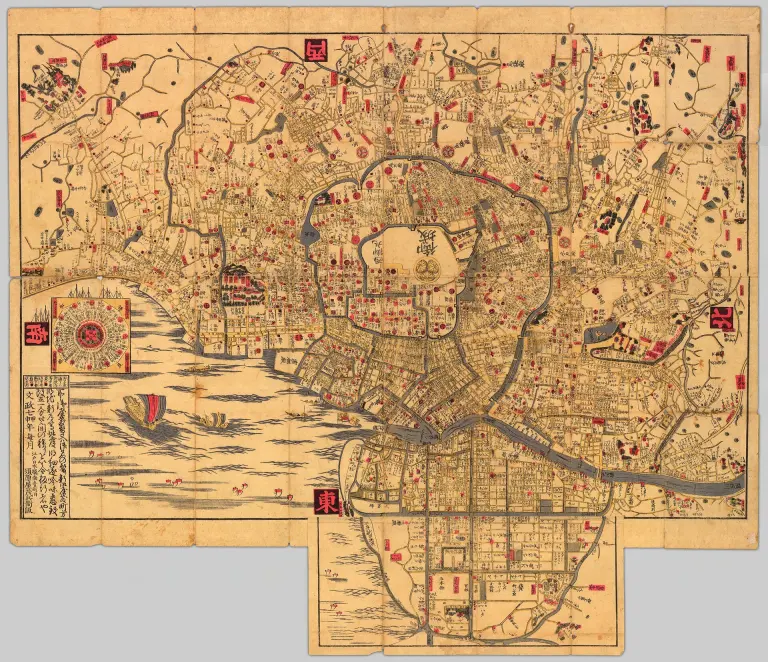
Edo was the Tokugawa shogunate’s castle city and political center, renamed Tokyo in 1868 after centuries of urban growth.