Food Culture
Hokkaido Food Culture
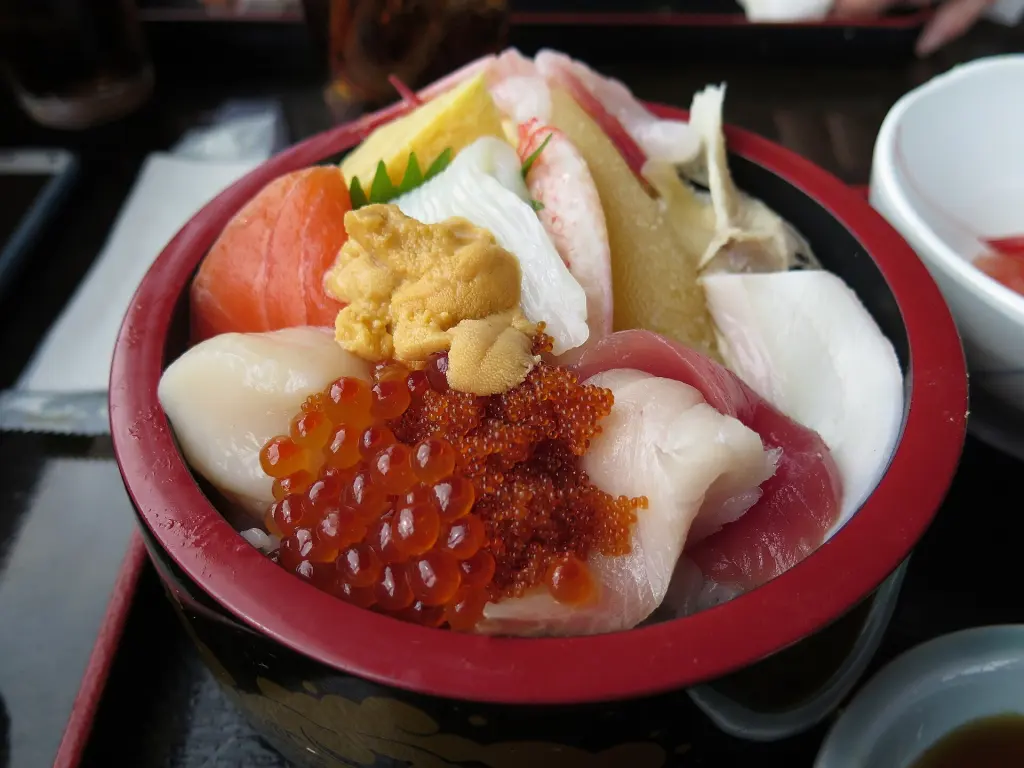
Image: Douglas Perkins / Wikimedia Commons · CC0 1.0
Geography · History · Foodways
A region understood through its connections.
Hokkaido food culture (北海道の食文化, Hokkaidō no shokubunka) links environments, Indigenous Ainu foodways, Wajin settlement, agriculture, fisheries and urban life. Famous dishes are one outcome of these relationships, not a complete account of the region.
Connect the landscape to the food
- PlaceCoasts, rivers, forests, plains and cities
- ResourcesSeafood, plants, crops and dairy
- History & workAinu knowledge, trade, settlement and industry
- Food practicesCooking, storage, meals and regional brands
Geography creates possibilities; people, power, technology and trade shape what happens to them. Ainu foodways are a living cultural tradition, while modern agriculture and urban restaurant foods have different histories.
At a glance
- Region
- Hokkaido, northern Japan
- Geography
- Coasts, inland plains, forests, rivers and cities
- Historical layers
- Ainu foodways, Wajin settlement and modern industries
- Foundations
- Meal structure, extraction, fermentation and preservation
Region and scope
Hokkaido is Japan’s northernmost main island and a large prefecture containing several climatic and ecological zones. Fisheries shape the coasts; broad plains support field crops and dairy farming; and urban centres such as Sapporo, Hakodate, and Asahikawa developed their own commercial foods. A regional label can be useful, but it should not erase differences between places or treat every dish sold in Hokkaido as an old local tradition.
Four connections to follow
| Setting | Resources | Historical / social connection | Food or technique |
|---|---|---|---|
| Coasts & maritime routes | Kombu, salmon, herring and shellfish | Fishing, processing and trade connect districts with markets beyond Hokkaido. | Kombu → dashi; fish → fresh, cooked or preserved foods |
| Plains & farming districts | Wheat, potatoes, beans, milk and other crops | Modern settlement, agricultural institutions and transport expanded commodity production. | Flour → noodles and bread; milk → dairy foods and sweets |
| Forests, rivers & Ainu communities | Fish, game, wild plants and cultivated crops | Local ecological knowledge, seasonal work and storage are part of continuing Ainu foodways. | Boiling, drying and other preparation methods; see Ainu foodways below |
| Cities & commercial networks | Ingredients sourced through wider production systems | Restaurants, migration, modern industry and tourism shape recognisable local styles. | Ramen, soup curry, rice bowls and other urban specialities |
The MAFF regional account, Hokkaido Digital Museum and Hokkaido University study listed below provide different perspectives on these relationships.
Ainu foodways
Ainu communities developed food systems around hunting, fishing, gathering, cultivation, exchange, and careful seasonal storage. Salmon and other fish, game, wild plants, and cultivated crops were boiled, dried, smoked, or otherwise preserved. These practices belong to a living Indigenous culture rather than merely to the prehistory of Hokkaido. Modern presentations of regional cuisine vary in whether they identify Ainu knowledge and the disruptions caused by Japanese colonization and assimilation policies.
Settlement and modern agriculture
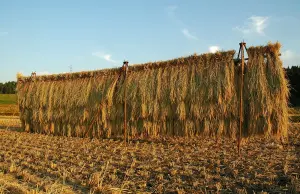
Large-scale state-directed settlement accelerated after the Meiji government established the Kaitakushi, or Hokkaido Development Commission, in 1869. New farms, transport networks, processing industries, and agricultural schools helped expand production of potatoes, wheat, sugar beets, beans, dairy products, and other commodities. Rice cultivation also spread despite the climate, linking Hokkaido to the broader history of rice in Japanese culture. This transformation increased food output while dispossessing Ainu communities and reshaping land use.
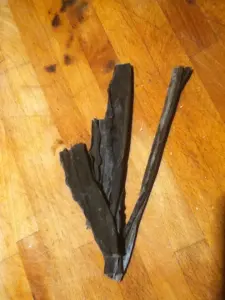
Seafood and kombu
Hokkaido’s cold surrounding waters support fisheries for salmon, herring, scallops, squid, crab, sea urchin, and other species. The island is especially important in the history and production of kombu. Maritime trade carried Hokkaido kelp south, where it became central to dashi and regional cooking far beyond the island. Seafood bowls and grilled or preserved fish are prominent today, but catches, seasons, and prices change with ecosystems and fishing regulation.
Dairy and field crops
Cool conditions and modern agricultural policy made Hokkaido a major centre for dairy farming and large-scale field crops. Milk, butter, cheese, potatoes, maize, wheat, and beans appear in home cooking, confectionery, restaurant dishes, and nationally distributed products. Their prominence reflects nineteenth- and twentieth-century agricultural development rather than an unchanged ancient cuisine. Hokkaido ingredients also enter foods associated with miso, noodles, bread, and Western-influenced yōshoku.
Noodles and urban specialities
Ramen Shop Culture in Japan offers wider context for the service systems and restaurant identities surrounding regional noodles.
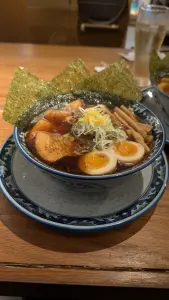
Postwar cities became strongly associated with distinctive noodle styles: Sapporo with miso ramen, Hakodate with salt-seasoned ramen, and Asahikawa with soy-sauce-based ramen, although shops and recipes resist neat classification. These local brands sit within the wider histories of ramen and Japanese noodles. Other widely marketed specialities include soup curry, jingisukan grilled mutton, butadon pork rice bowls, and dairy-based sweets.
Preservation and seasonality
Long winters encouraged drying, salting, smoking, pickling, and fermentation, although methods differed by community and period. Herring and salmon products, preserved vegetables, and cultured dairy all demonstrate how storage technologies shape flavour. Hokkaido’s food culture therefore intersects with Japanese fermentation, tsukemono, sake, and the broader framework of washoku without being reducible to any one of them.
Use the foundations to read the region
Washoku
Ask how local ingredients, seasonal availability and social occasions shape meals. This framework does not make every Hokkaido food one uniform cuisine.
Dashi
Follow kombu from a regional resource into a stock used across Japan. The production area and the place of cooking need not be the same.
Japanese fermentation
Distinguish microbial transformation from drying, salting and seasoning. A preserved fish or vegetable product is not automatically a fermentation.
Tourism and representation
Department-store fairs, souvenir brands, seafood markets, ramen districts, and farm tourism have made Hokkaido a powerful culinary image within Japan. Such promotion often emphasises abundance, freshness, snow, and open land. A fuller account also asks how labor, environmental change, Indigenous heritage, and regional inequality sit behind that image. The most useful understanding of Hokkaido food is therefore relational: ingredients and techniques move between communities, industries, and the rest of Japan.
Sources
- Ministry of Agriculture, Forestry and Fisheries, Traditional Foods in Japan: Hokkaido
- Ministry of Agriculture, Forestry and Fisheries, Our Regional Cuisines: Hokkaido
- Hokkaido Digital Museum, Food: Ainu People
- Hokkaido University, Agriculture in Hokkaido
- Hokkaido Museum, English visitor and collection overview
Last updated: