Karate
Uchi-waza
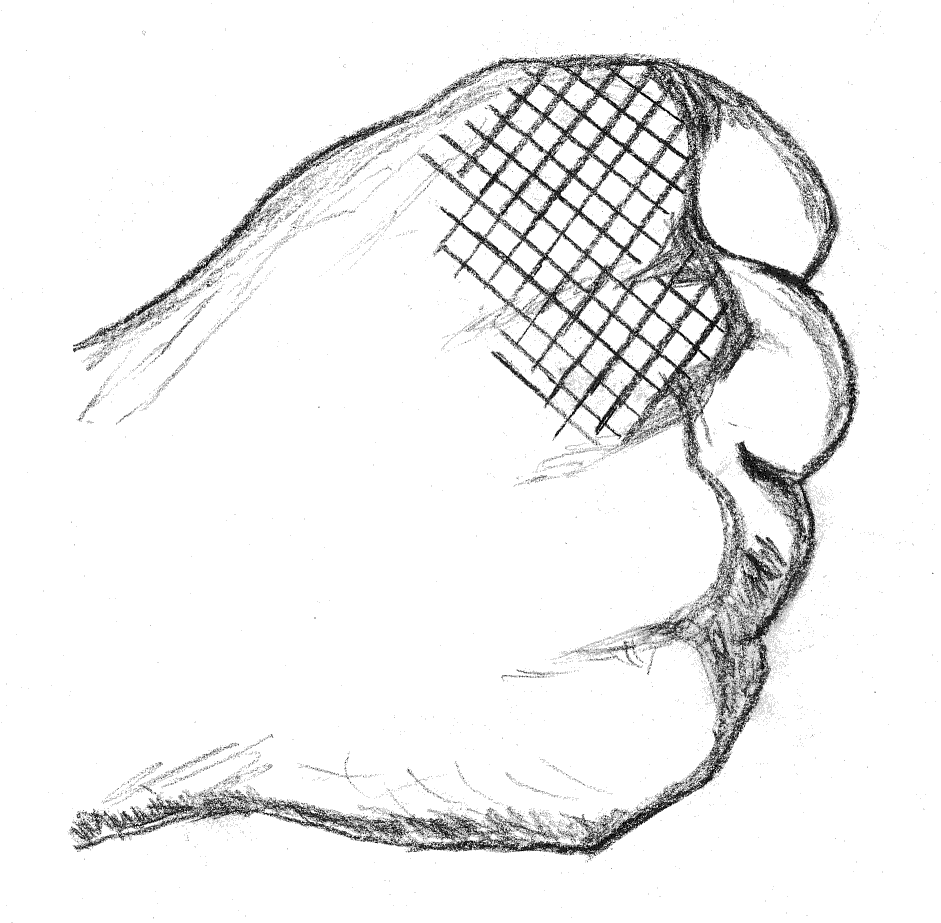
Image: Kurmis / Wikimedia Commons · CC BY 3.0
Overview
Uchi-waza is a useful gateway to Karate strikes—not one universal taxonomy.
Uchi-waza (打ち技) is a broad label for striking techniques, especially upper-limb actions distinguished by their path or contact surface from the thrusting family commonly called tsuki. The All Japan Karatedo Federation distinguishes uchi from tsuki and keri in competition terminology, while its glossary places named surfaces under the wider heading te-waza. Japan Karate Association material explicitly uses uchi-waza, but schools organise and name their techniques differently. TokyoWaltz therefore uses the term as a bounded navigation family connecting four representative strikes, training contexts, and source-specific definitions.
A surface is useful only when posture and range support it.
Swinging, snapping, circular, and compact routes are not interchangeable.
Open hand, closed fist, or elbow changes the structure.
Balance, awareness, and the next action remain part of the technique.
- Japanese
- 打ち技
- Reading
- うちわざ
- Reference meaning
- Striking techniques
- Broader JKF heading
- Te-waza · hand techniques
- Related family
- Tsuki-waza · thrusting actions
- TokyoWaltz scope
- Selected gateway, not an exhaustive syllabus
01Name & scope
Uchi names striking or hitting; waza names technique.
The compound is useful only when its scope remains explicit.
Uchi waza and uchi-waza refer to the same label here. Karate vocabulary has no single cross-style classification authority, so this page connects selected named strikes while retaining the institutional context behind each definition.
02Institutional categories
Competition language, glossary headings, and school curricula answer different questions.
They overlap without forming one universal chart.
Tsuki · keri · uchi
The public rules distinguish thrusting, kicking, and striking labels when describing scoring actions and prohibitions.
Te-waza
Shutō, uraken, tettsui, haitō, haishu, nukite, and enpi appear under the broader “hand techniques” heading.
Uchi-waza beside other families
Its technical manual uses uchi-waza alongside tsuki-waza, uke-waza, and keri-waza in one organisation-specific framework.
03Uchi and tsuki
A practical contrast is path-shaped strike versus line-shaped thrust—but the boundary is not absolute.
Specific entries should name their path, surface, and source instead of leaning on the family label alone.
Uchi · 打ち
Often associated with a swinging, snapping, circular, or compact route and a named contact surface such as the back fist or elbow.
Tsuki · 突き
Often associated with thrusting or punching along a line. Some actions sit near the boundary and may be grouped differently by different organisations.
04Four selected striking surfaces
The contact region changes from open hand to fist edge, fist back, and elbow.
This is a navigation set, not the complete contents of Karate striking technique.
The little-finger side of an open hand supplies the named striking surface.
Closed fistUraken-uchi裏拳打ちBack-fist knucklesThe index- and middle-finger knuckle area is used from the back-fist side.
Closed fistTettsui-uchi鉄槌打ちHammer-fist edgeThe outer fist beside the little-finger ball creates the hammer-like surface.
Arm segmentEnpi-uchi猿臂打ちElbow regionThe elbow becomes the contact region, principally at close range.
05Surface, path & whole body
A surface name is only one layer of the action.
Direction, range, stance, and recovery decide how the contact region arrives.
Which body region is presented?
Knife-hand edge, back-fist knuckles, hammer-fist edge, and elbow each require a different relationship.
How does it travel?
Downward, sideways, vertical, circular, or compact descriptions belong to the named model.
What supports it?
Stance, torso angle, distance, and the non-striking side connect the surface to the whole body.
What remains possible?
A controlled strike preserves joint comfort, awareness, balance, and the next action.
06Kihon, kata & partner context
The same label changes emphasis across isolated, sequenced, and relational practice.
Each format restores a different part of the whole action.
Isolate the relationship
Study contact surface, path, posture, stance, withdrawing action, distance, and recovery without treating one manual as a universal standard.
Read the surrounding sequence
Turns, rhythm, stance changes, and adjacent techniques preserve information that an isolated endpoint cannot show.
Test one interpretation at a time
Strike, clear, receive, control, release, and transition readings require a named kata, lineage, partner task, and safety agreement.
07Rules, evidence, variation & safety
Training families, research tasks, and legal scoring actions must remain separate.
A source is strongest when it answers the question it was designed to study.
Uchi is not a list of automatically legal techniques
JKF rules permit controlled scoring actions but prohibit dangerous contact, open-hand attacks to the face, and actual elbow or knee attacks.
Impact findings do not transfer automatically
A review of 28 studies across several combat contexts found varied techniques, participants, targets, and equipment; it does not validate one uchi-waza taxonomy.
Name the system being compared
Styles differ in labels, priorities, chambers, targets, paths, and the relationship between uchi and tsuki.
Build alignment before force
Use suitable targets and qualified supervision; agree partner distance, speed, target, and contact, and stop when control or joint comfort is lost.
Sources and further reading
- All Japan Karatedo Federation, Basic Rules of Karatedo.
- All Japan Karatedo Federation, Karate Terminology Dictionary.
- Japan Karate Association, Technical Manual for the Instructor.
- Japan Karate Association, JKA Europe Seminar in Brussels.
- Beránek, Votápek and Stastny, Force and velocity of impact during upper limb strikes in combat sports.
Last updated: