
Tettsui-uchi
Tettsui-uchi is a Karate hammer-fist strike using the little-finger-side outer edge of a closed fist.
Tettsui-uchi is a Karate hammer-fist strike using the little-finger-side outer edge of a closed fist.
Morote-uke is a two-hand or augmented Karate receiving action whose supporting-hand relationship varies by style and drill.
Choku-zuki is a straight Karate punch whose name identifies its direct path rather than a stepping-leg relationship.
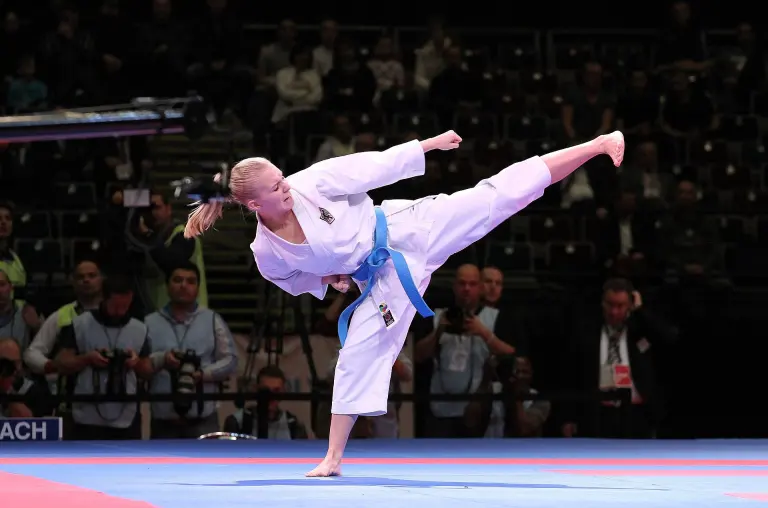
Yoko-geri is a side-directed Karate kick whose snap and thrust models must be identified by the named style or organisation.
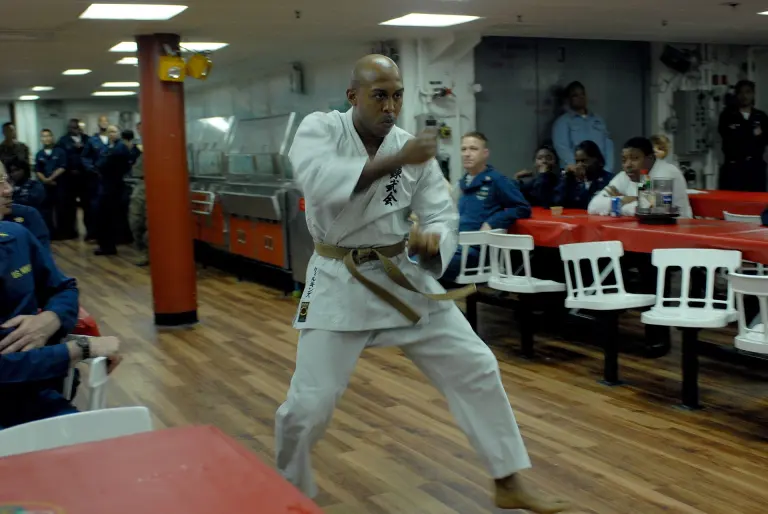
Browse and search 14 selected Karate technique guides by family, Japanese name, reading, meaning and documented practice context.
Shutō-uke is a Karate receiving technique that uses the knife-hand area to sweep attacks from upper to lower levels.
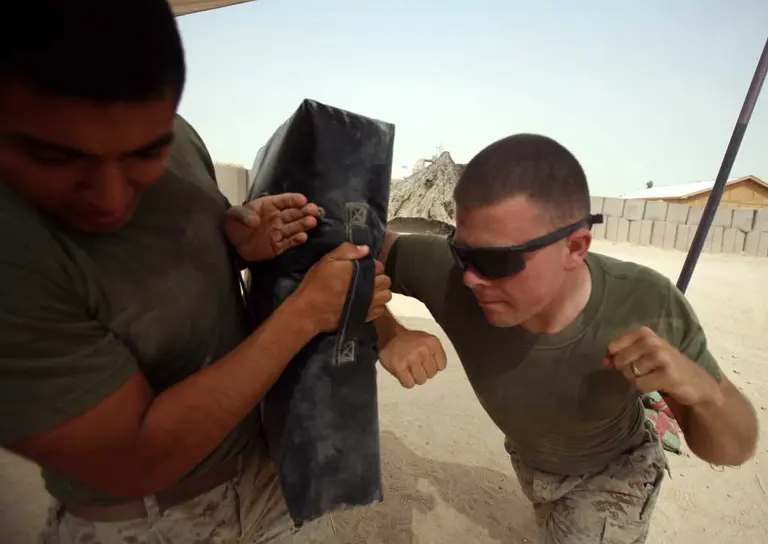
Enpi-uchi is a close-range Karate elbow strike; named directions, spelling, applications and competition status depend on the source and training context.
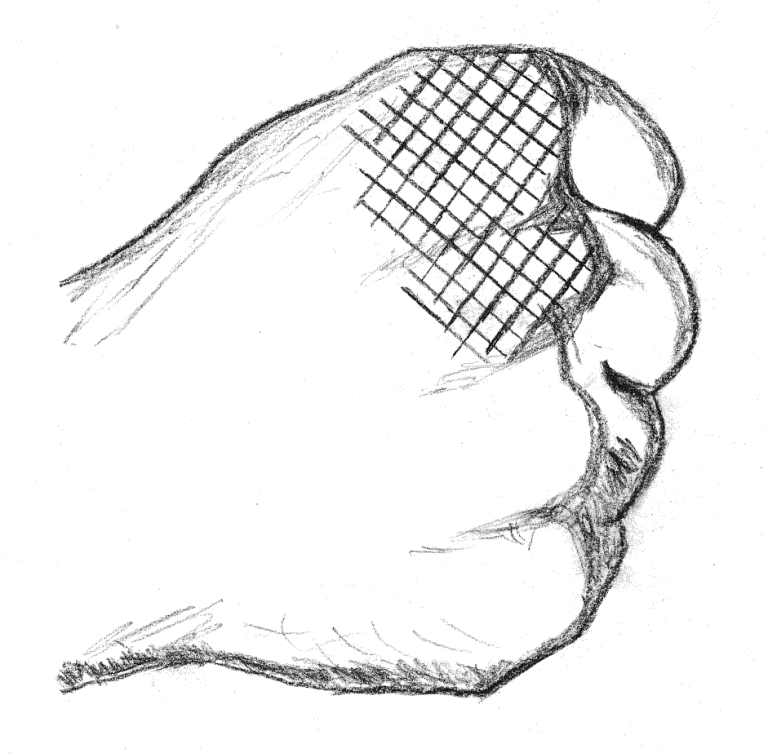
Uraken-uchi is a Karate back-fist strike using the index- and middle-finger knuckle area; its path and practice context vary by tradition.
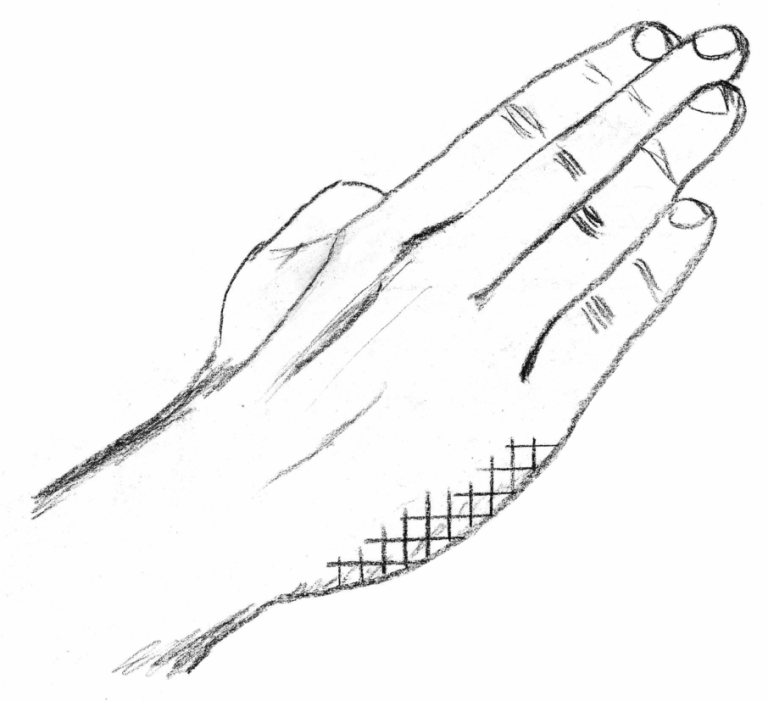
Shutō-uchi is a Karate knife-hand strike using the hand’s outer little-finger edge; its path, target and practice method vary by tradition.
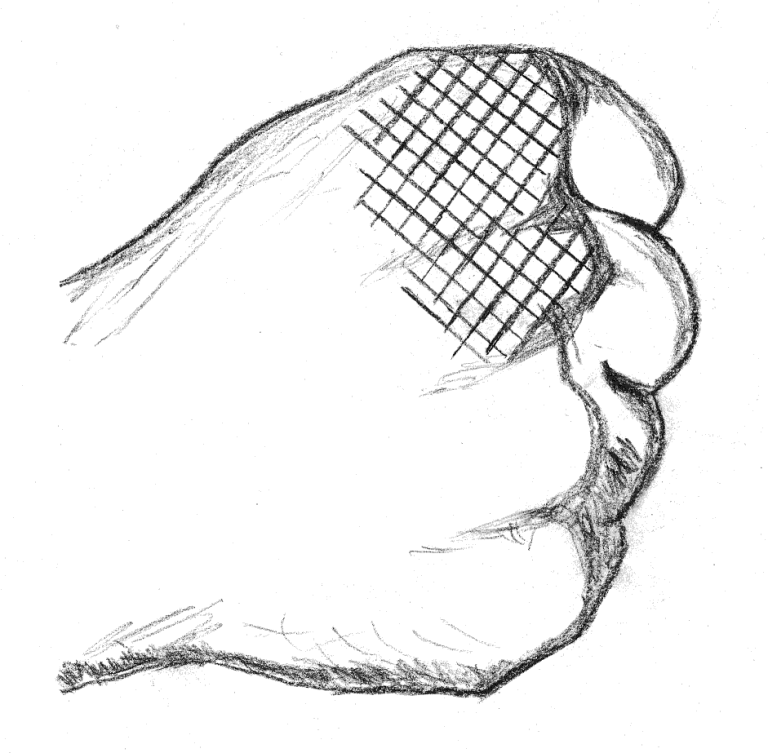
Uchi-waza is a Karate label for striking techniques, used here as a bounded gateway rather than a universal classification shared by every style.