
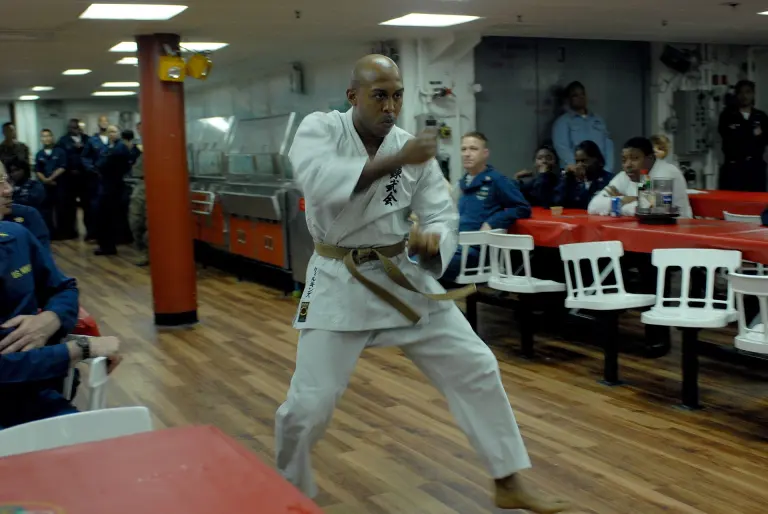
Karate Technique Directory
Browse and search 14 selected Karate technique guides by family, Japanese name, reading, meaning and documented practice context.
Browse and search 14 selected Karate technique guides by family, Japanese name, reading, meaning and documented practice context.
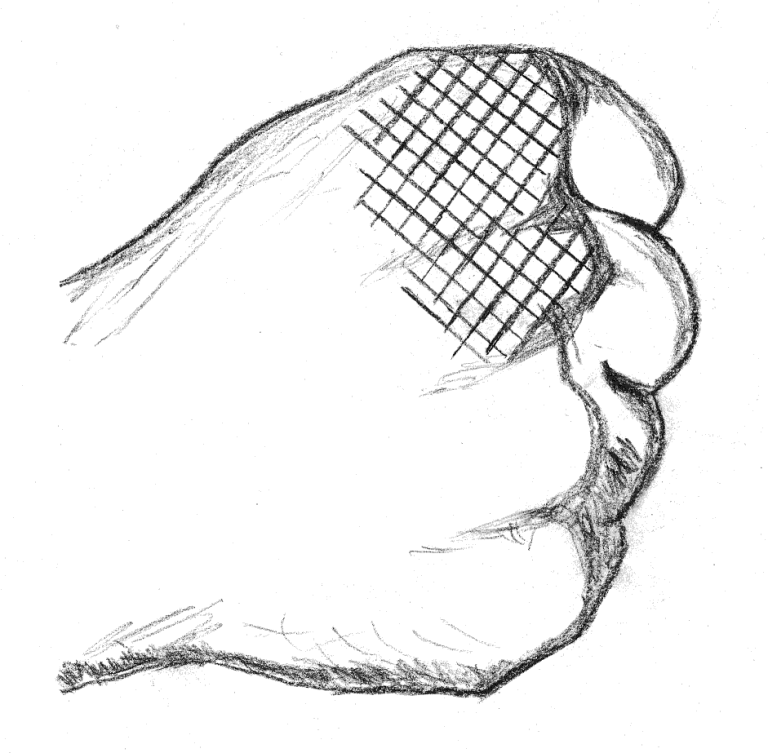
Uchi-waza is a Karate label for striking techniques, used here as a bounded gateway rather than a universal classification shared by every style.
Ushiro-geri is a Karate back kick delivered as the body turns away and the leg or heel drives along a backward line.
Jōdan age-uke is a Karate receiving technique in which the inner forearm rises from below against an attack to the face.
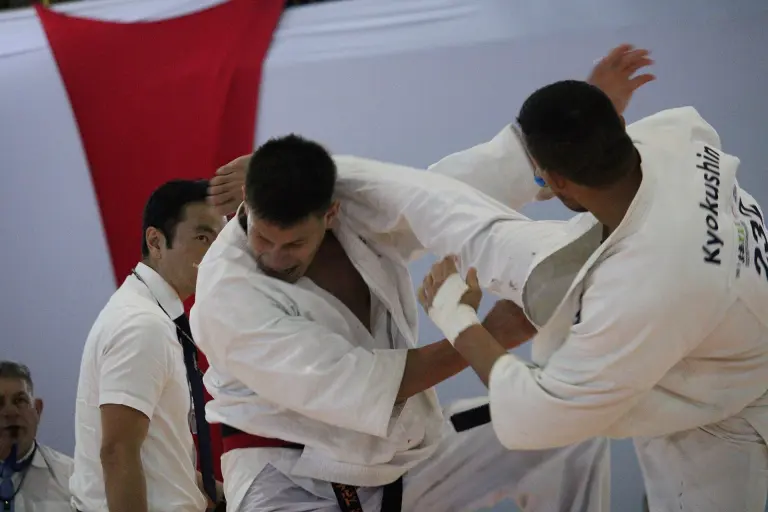
Mawashi-geri is a Karate roundhouse kick that approaches an upper- or middle-level target along a curved path from the side.
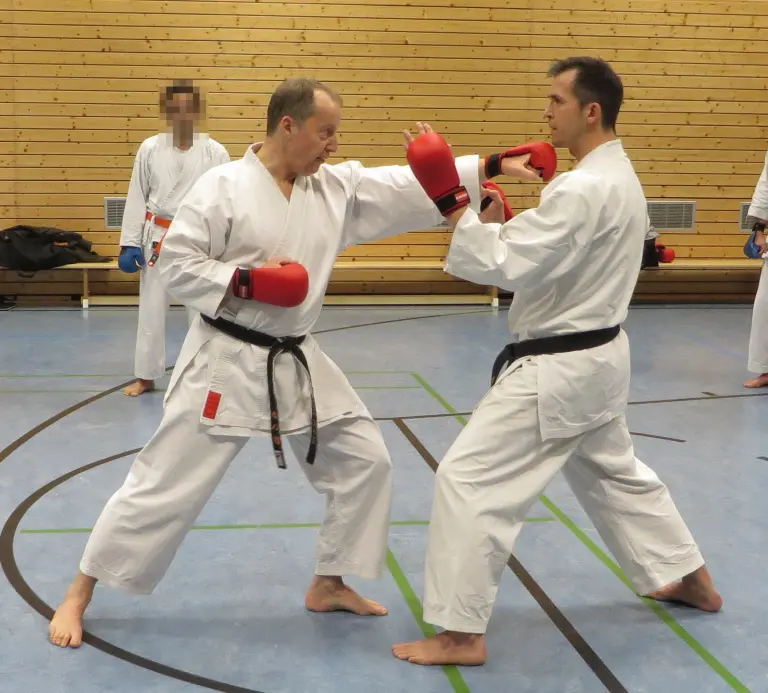
Kizami-zuki is a Karate lead-hand thrust delivered from guard while the front foot steps in and the rear leg follows.

Karate at the Asian Games comprises edition-specific kata and kumite medal events within the Olympic Council of Asia’s continental programme.
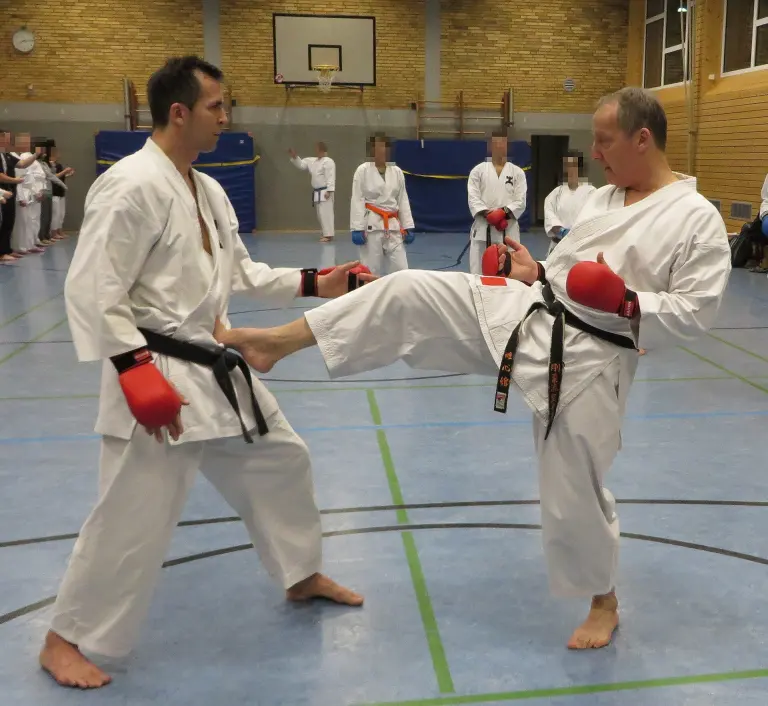
Mae-geri is a Karate kick directed forward, with recognised variations in leg choice, trajectory, contact surface, recovery and training purpose.
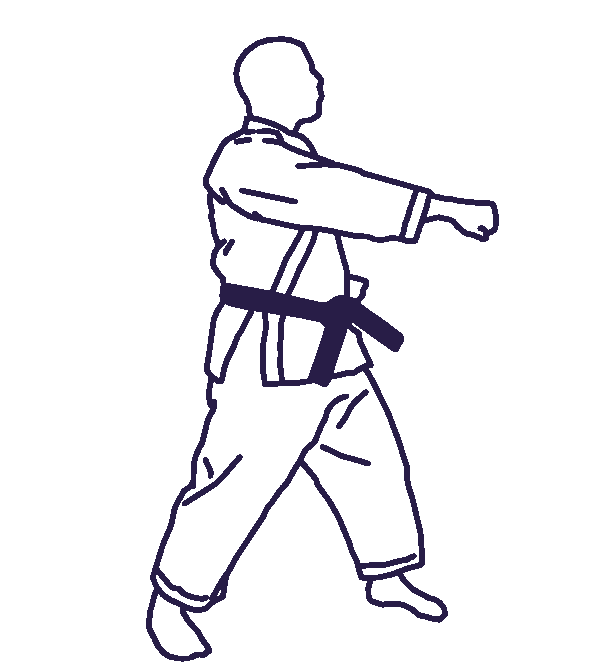
Gyaku-zuki is a Karate thrust delivered with the arm opposite the forward leg, used across kihon, kata, kumite and competition.
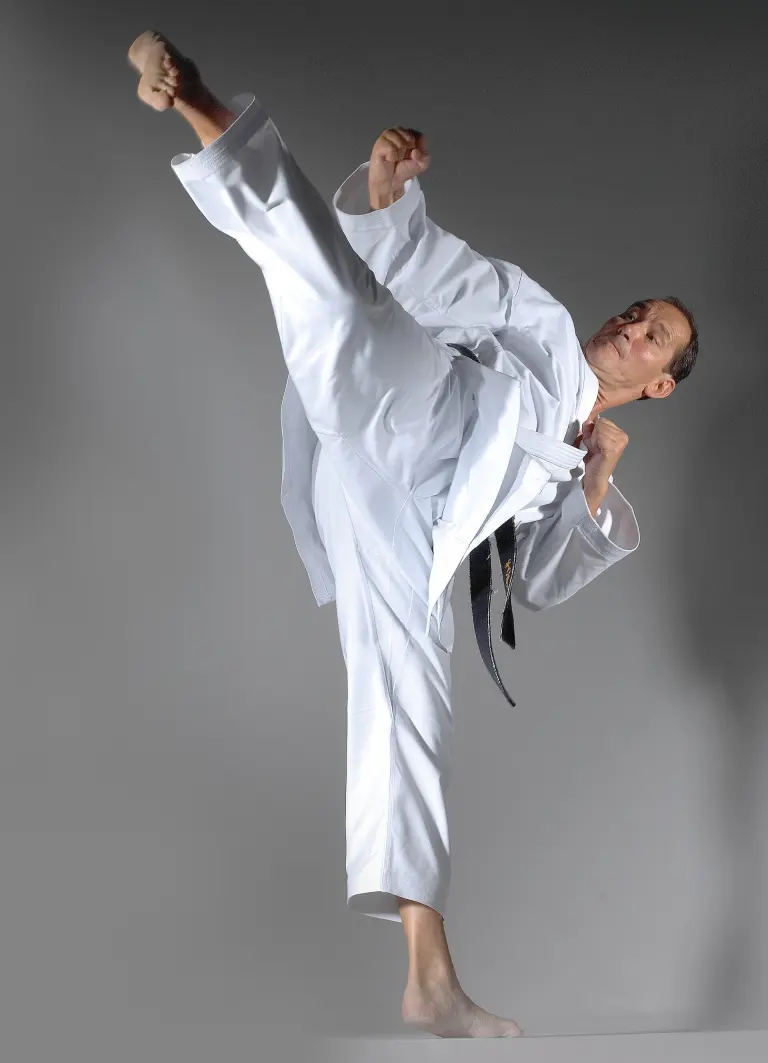
Geri is the familiar compound form for Karate kicking techniques, classified by direction, path, contact surface, target and training context.