Karate
Okinawan Karate
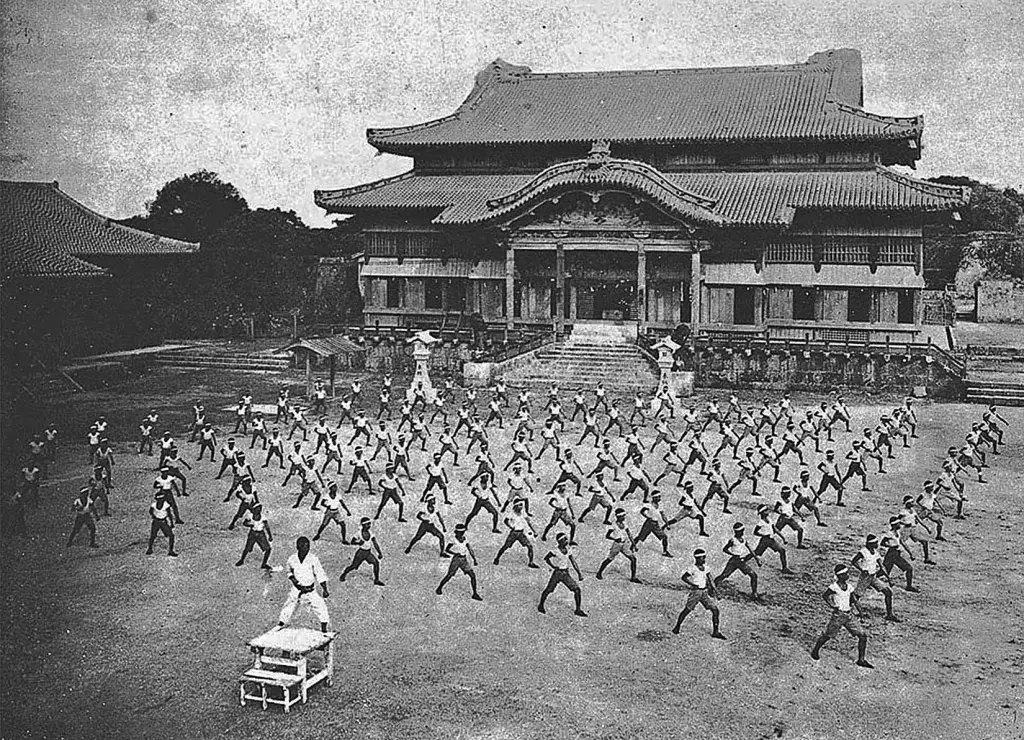
Image: Nakasone Genwa / Wikimedia Commons · Public domain
Overview
Okinawan Karate is a connected cultural field—not one style with one founder.
Okinawan Karate is the family of unarmed traditions that developed in the Ryukyu Islands and became the principal historical source of modern Karate. Earlier practice was often called te or tī, meaning “hand”. Shuri-te, Naha-te, and Tomari-te are useful regional labels, but they do not describe three sealed syllabuses: teachers, kata, and communities overlapped. School education, mainland transmission, publications, ranks, and organisations later reshaped this inheritance into named modern styles. The term therefore marks a historical and cultural field rather than a single present-day governing body.
Place, teacher, kata, and period explain more than a single label.
- Historical setting
- Ryukyu Islands · Okinawa
- Earlier term
- Te or tī · “hand”
- Regional lenses
- Shuri · Naha · Tomari
- Modern term
- 空手 · “empty hand”
- Not one thing
- No single founder, syllabus, or governing body
- Related field
- Okinawan kobudō, but not identical to it
01Name & scope
The vocabulary changed across language, period, and institution.
A modern spelling should not be projected unchanged into every earlier source.
Te or tī
“Hand”, used broadly for hand-based martial practice in Okinawan contexts.
唐手 · “Chinese hand”
A historically important spelling whose reading and implications varied.
空手 · “empty hand”
The standard form; Karate-dō adds 道, “way”.
Okinawan Karate is also broader than a named style such as Shotokan or Gōjū-ryū, while Okinawan kobudō is normally treated as a distinct weapons field even where teachers and communities overlap.
02Ryukyu setting & exchange
A maritime kingdom produced adaptation—not the intact import of one foreign system.
Court service, travel, trade, policing, education, and community life all matter.
Regional exchange
The Ryukyu Kingdom maintained relationships with China, Japan, and other parts of East and Southeast Asia.
One ban, one class, one invention
A single weapons-ban story or an undifferentiated “farmers versus samurai” account cannot explain the surviving record.
Chinese influence is important, but local teachers selected, reorganised, and transmitted material over long periods. Origins remain a field of historical interpretation rather than one documented founding event.
03Regional pathways
Three places offer distinct lenses inside one connected field.
Use each label with a teacher, kata, date, and later organisation whenever possible.
Shuri-te
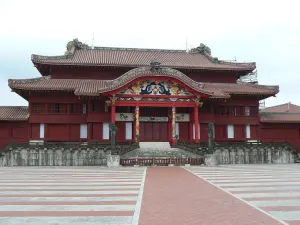
Networks around Shuri Castle, important to histories of Ankō Itosu, Ankō Asato, and later Shuri-linked styles.
Naha-te
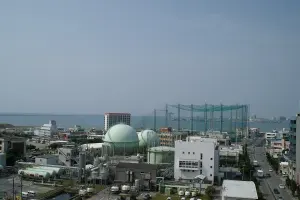
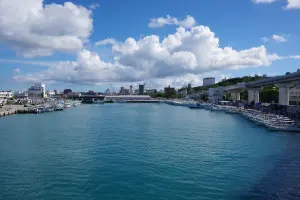
Port-city transmission associated with Kanryō Higaonna and the line later organised as Gōjū-ryū.
Tomari-te
A later regional label for teacher networks whose kata and methods also crossed into other lines.
04Public education & modernisation
Group teaching changed presentation as well as audience.
Institutional adoption was gradual and debated, not a single overnight reform.
Teacher-centred transmission
Practice moved through families, officials, communities, and individual study.
Ankō Itosu and other educators
Karate was increasingly presented as physical education and recreation.
Lines, commands, shared sequences
Curricula, formal openings, and group practice made teaching easier to scale.
05From Okinawa to mainland Japan
Transmission through teachers became reorganisation through institutions.
Modern styles preserve Okinawan inheritances without replacing the older networks one-for-one.
Funakoshi · 1922
An important milestone in Tokyo and mainland university networks.
Mabuni · Miyagi · others
Teachers established further mainland communities and technical lineages.
Styles · ranks · clubs · publications
Okinawan, mainland, educational, sporting, and international layers developed together.
Shotokan, Gōjū-ryū, Shitō-ryū, and Wadō-ryū organise related histories differently; none is a simple replacement for one regional label.
06Reading a lineage
Five checks turn a broad family-tree claim into a testable historical statement.
The method clarifies relationships without deciding which modern school is “most authentic”.
Which historical community?
Which personal route?
What material was taught?
How was it standardised?
Which stage of development?
This sequence makes room for multiple teachers, revised curricula, renamed kata, and later organisational divisions without turning a flexible history into an unbroken straight line.
07Preservation & practice today
Living instruction and documentary preservation support each other.
Historical interest does not replace a dōjō’s rules or qualified supervision.
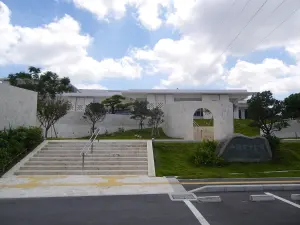
Okinawa Karate Kaikan
Exhibitions, research, exchange, seminars, and events connect archives with contemporary practice.
Dōjō and teacher networks
Visitors should confirm observation, clothing, photography, fees, language support, and participation in advance.
Conditioning, partner drills, and applications require the intensity and safety procedures set by a qualified instructor.
Sources and further reading
Last updated: