
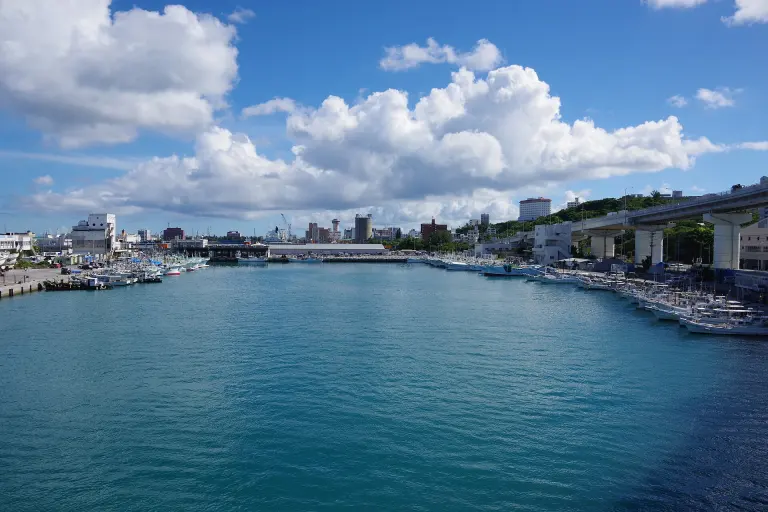
Tomari-te
Tomari-te is a historical label for karate transmission associated with Tomari port and teachers including Kōsaku Matsumora.
Tomari-te is a historical label for karate transmission associated with Tomari port and teachers including Kōsaku Matsumora.
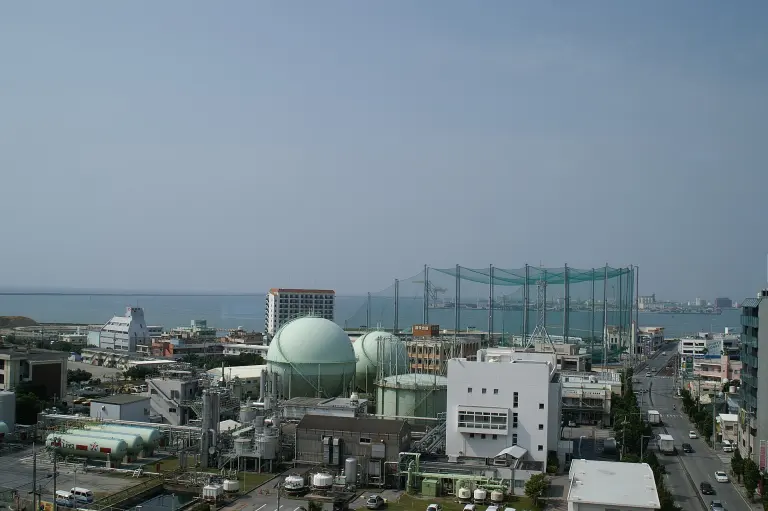
Naha-te identifies karate transmission associated with the Ryukyu port of Naha, especially Kanryō Higaonna and lineages including Gōjū-ryū.
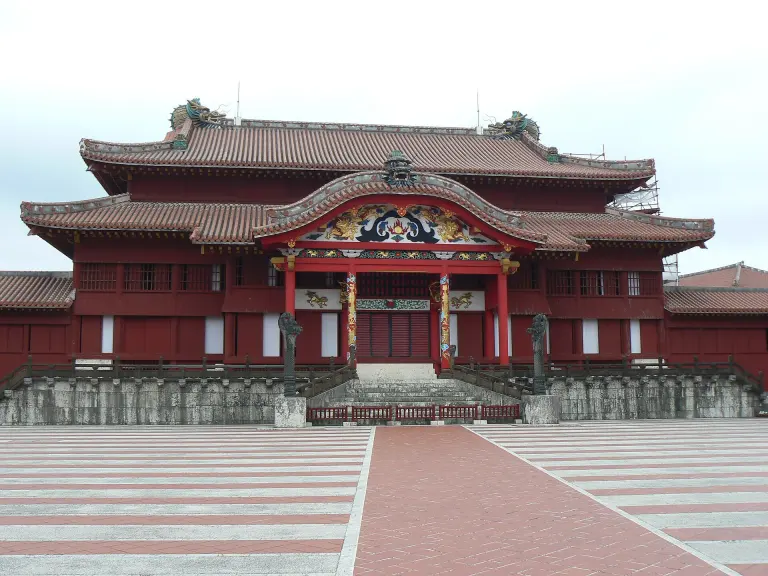
Shuri-te names karate transmission associated with the Ryukyu royal capital and teachers such as Sokon Matsumura and Ankō Itosu.
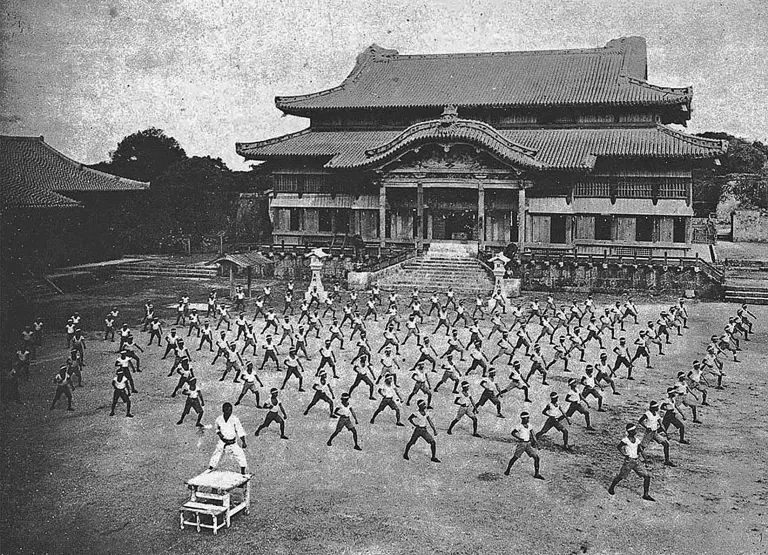
Okinawan Karate developed from Ryukyuan martial traditions and later formed many lineages; it is a cultural family, not one uniform style.
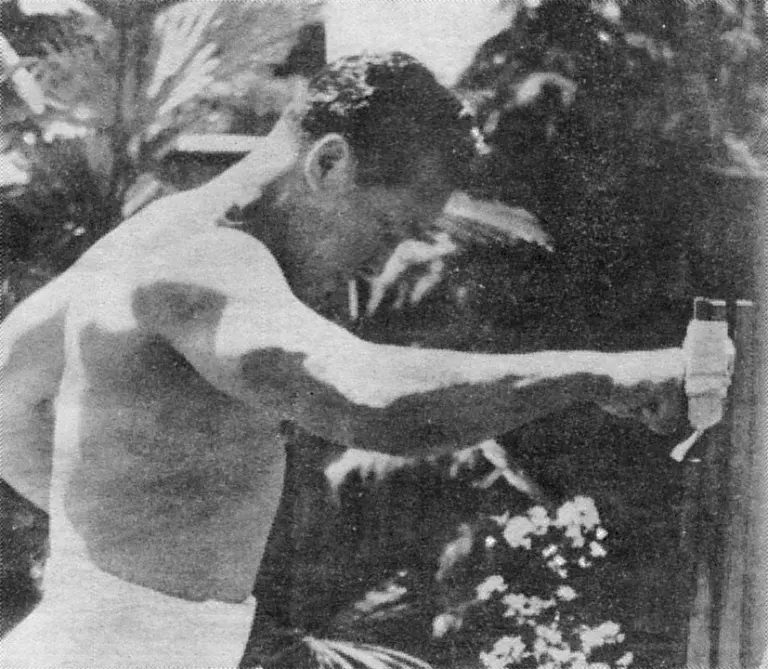
Kyokushin is a full-contact karate tradition founded by Masutatsu Ōyama, known for knockdown competition, demanding conditioning, kata, and an international network of successor organisations.
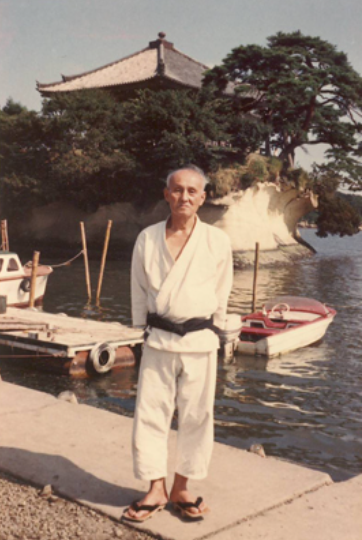
Wadō-ryū is a Japanese karate tradition founded by Hironori Ōtsuka, integrating Okinawan karate with principles from Shindō Yōshin-ryū jujutsu and Japanese budō.
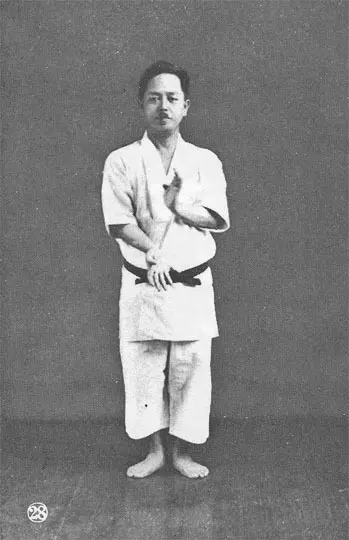
Shitō-ryū is a major karate tradition founded by Kenwa Mabuni, preserving extensive kata associated with the teachings of Ankō Itosu and Kanryō Higaonna.
Shotokan is a major karate tradition shaped by Gichin Funakoshi’s teaching and later developed through university clubs and the Japan Karate Association.
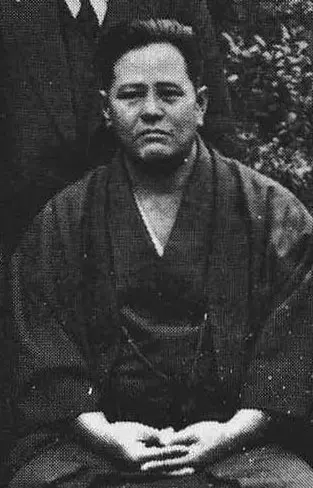
Gōjū-ryū is an Okinawan karate tradition founded by Chōjun Miyagi, combining forceful and yielding methods with kata, breathing, conditioning, and partner practice.
Gichin Funakoshi (1868–1957) was an Okinawan educator who helped introduce Karate to mainland Japan and inspired the Shotokan tradition.