
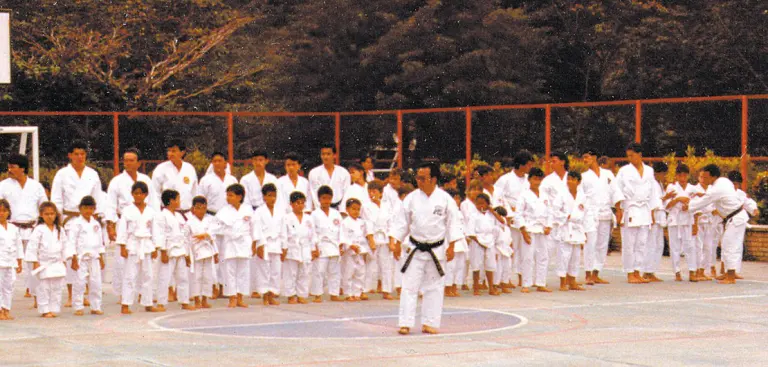
Karate Kata Directory
Browse sixteen published Karate kata guides by Japanese name, name family, variant label and documented tradition links.
Browse sixteen published Karate kata guides by Japanese name, name family, variant label and documented tradition links.
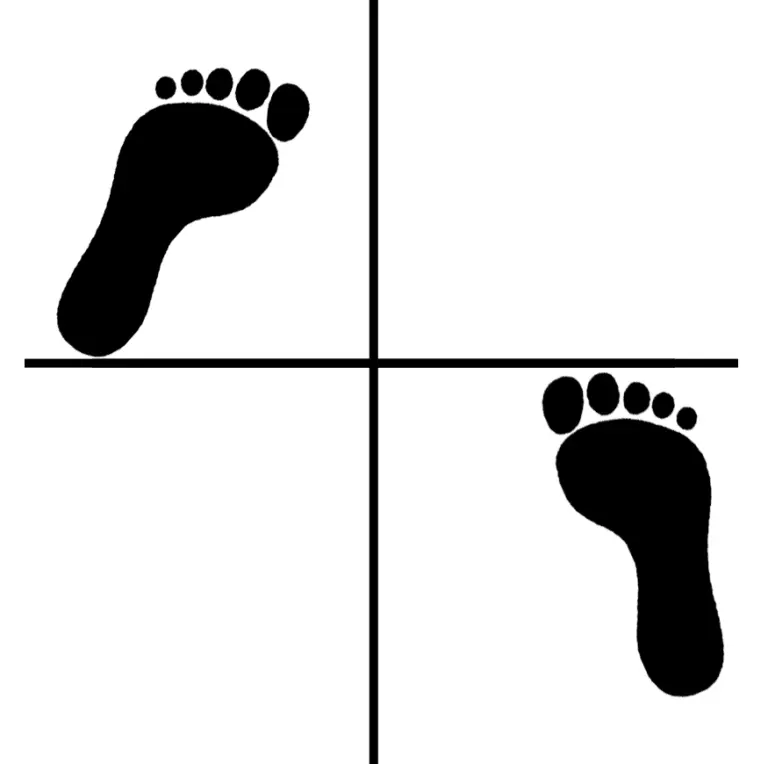
Seisan is a widely transmitted Karate kata name covering distinct Gōjū-ryū, Uechi-ryū, Wadō and other versions rather than one universal sequence.
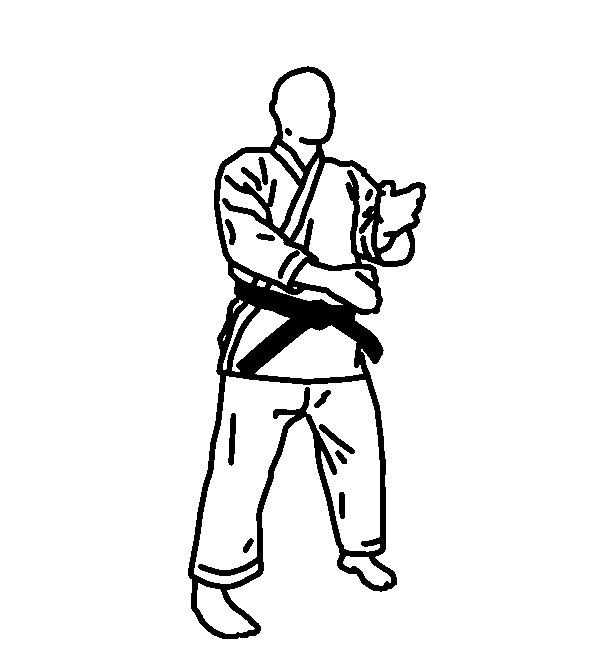
Naihanchi Shodan is a lateral-pattern Okinawan Karate kata related to, but not universally identical with, Shotokan Tekki Shodan.
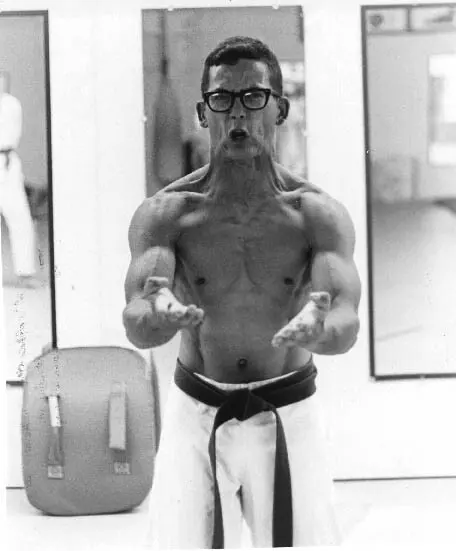
Sanchin is a central kata in several Naha-linked and Uechi-ryū traditions, with distinct versions of posture, breathing and tension.

Tomari-te is a historical label for karate transmission associated with Tomari port and teachers including Kōsaku Matsumora.

Naha-te identifies karate transmission associated with the Ryukyu port of Naha, especially Kanryō Higaonna and lineages including Gōjū-ryū.
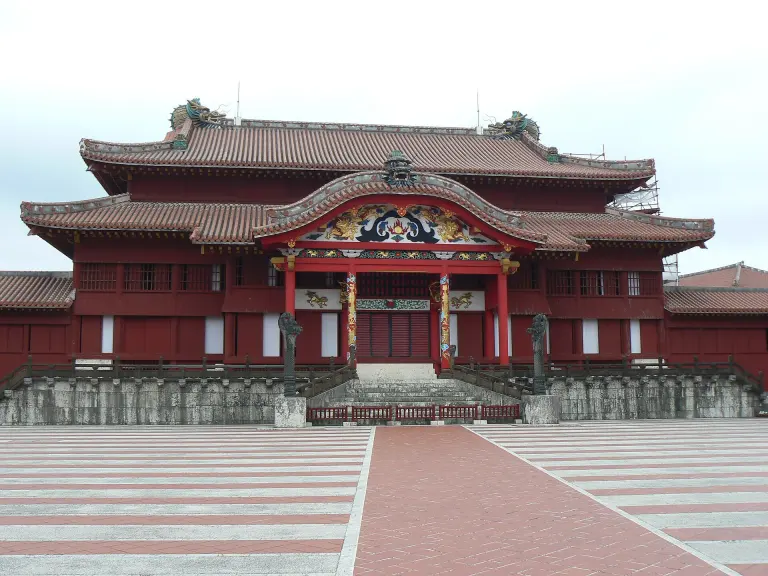
Shuri-te names karate transmission associated with the Ryukyu royal capital and teachers such as Sokon Matsumura and Ankō Itosu.
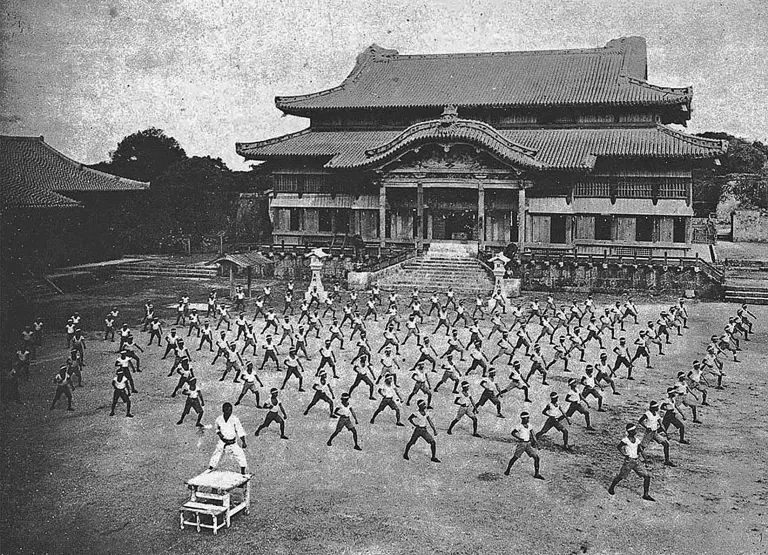
Okinawan Karate developed from Ryukyuan martial traditions and later formed many lineages; it is a cultural family, not one uniform style.
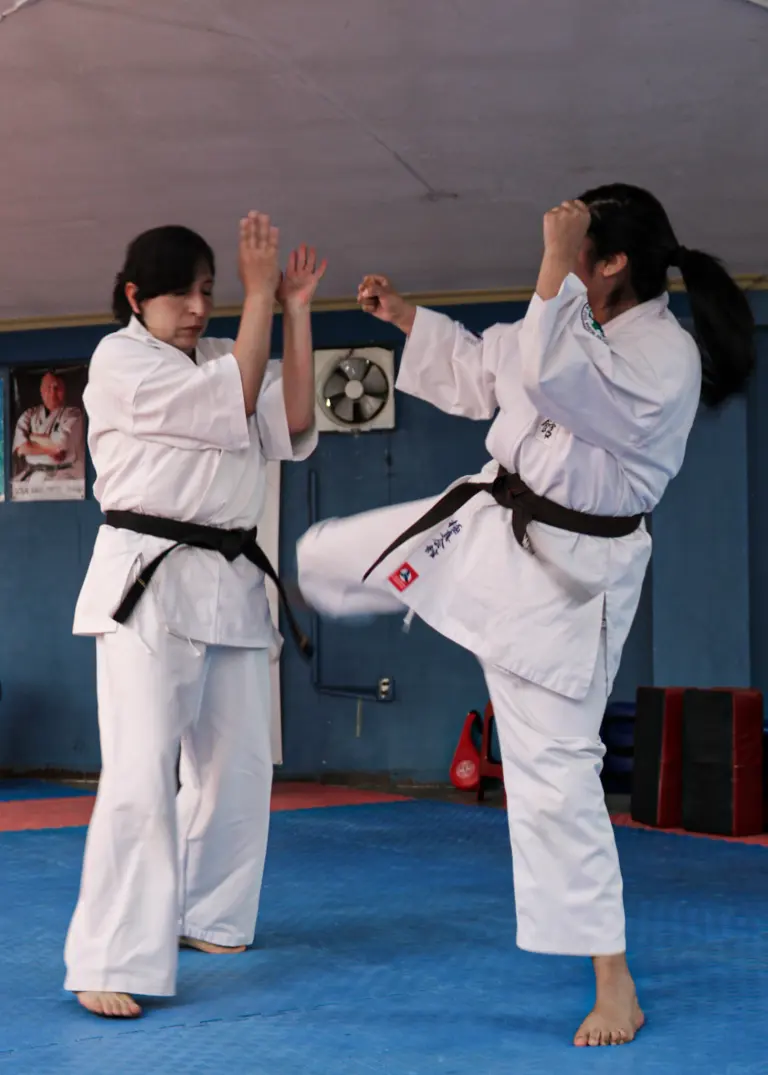
Bunkai is the analysis and interpretation of Karate kata movements, studied through explanation, partner work and adaptation rather than one universal answer.
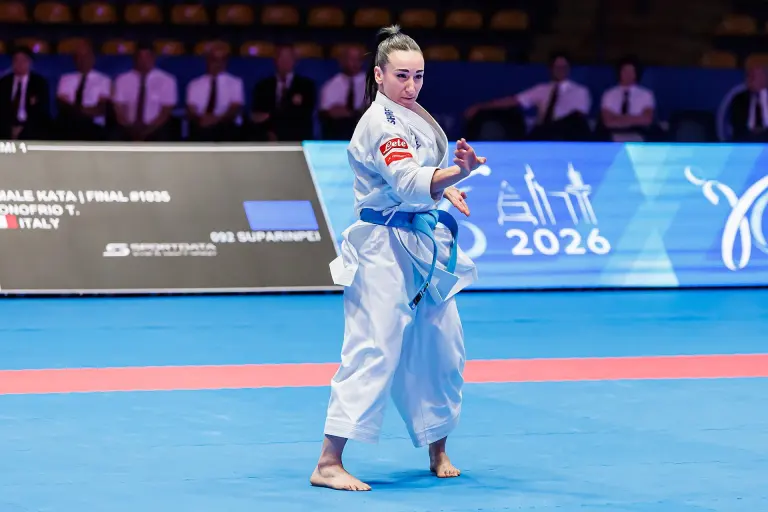
Karate kata are prescribed forms that preserve movement and tactical principles, with different names, sequences and performance methods across Okinawan and Japanese traditions.