Food Culture
Tsukemono
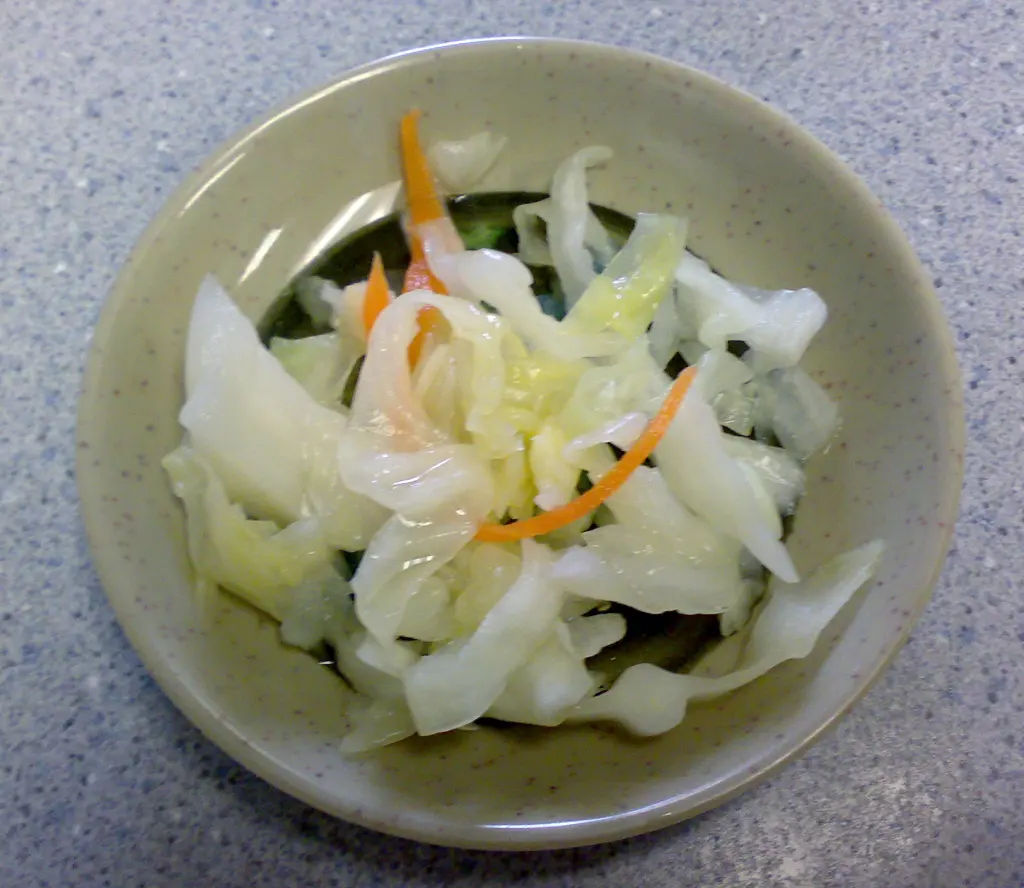
Image: Sue Le / Wikimedia Commons · CC BY-SA 3.0
Tsukemono are Japanese pickled foods, especially vegetables preserved or seasoned in salt, rice bran, vinegar, miso, sake lees, soy sauce, or other media. The term covers a large field rather than one recipe or one microbial process. Salt-fermented suguki and shibazuke, fresh-tasting asazuke, vinegar pickles, nukazuke from a maintained rice-bran bed, and long-aged kasuzuke can all be classified as tsukemono. Some depend on lactic-acid fermentation, while others are acidified, salted, or flavored without substantial fermentation. Common ingredients include daikon, cucumber, eggplant, turnip, Chinese cabbage, ginger, plums, mustard greens, and local vegetables. Served in small portions, pickles add color, aroma, acidity, saltiness, and texture to meals and preserve strong regional and seasonal identities within washoku.
Overview
| Japanese name | 漬物 |
|---|---|
| Romanization | Tsukemono |
| Literal sense | Pickled things |
| Common ingredients | Daikon, cucumber, eggplant, turnip, cabbage, greens, ginger, and plums |
| Major pickling media | Salt, rice bran, vinegar, miso, sake lees, soy sauce, and malted rice |
| Key distinction | The category includes both fermented and non-fermented pickles |
Scope and names
Tsukemono derives from tsukeru, “to soak” or “to pickle,” and mono, “thing.” Regional and colloquial terms include kōnomono, oshinko, and okōkō, but their precise range varies. English “Japanese pickles” is useful if it is not taken to mean that every item uses vinegar or cucumber.
Umeboshi are made from ume, a fruit related to apricots and plums, and are often grouped with pickles even though the English name “pickled plum” is botanically imprecise. Pickled ginger, takuan, nozawana, takanazuke, and narazuke likewise name different ingredients and processes rather than interchangeable styles.
Preservation and history
Pickling extended the usefulness of seasonal harvests before modern refrigeration. Salt drew water from plant tissue and selected for salt-tolerant microorganisms, while bran, lees, miso, vinegar, and other media supplied flavor or created different preservation conditions. Pickles also became valued for qualities beyond storage, including crisp texture, color, aroma, and appetite-stimulating acidity.
Documentary and archaeological claims about the earliest tsukemono are difficult to equate with modern named products. Court, temple, warrior, rural, and urban food systems all contributed to later diversity. Commercial production, railway distribution, cold storage, packaging, and food regulation subsequently changed ingredients, salt levels, and shelf life.
Pickling media and methods
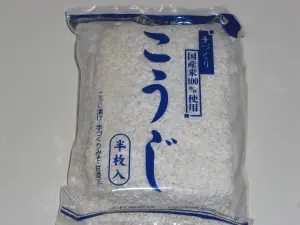
Shiozuke uses salt; nukazuke uses a fermented rice-bran bed called nukadoko; suzuke uses vinegar; misozuke uses miso; kasuzuke uses sake lees; and shōyuzuke uses soy sauce. Kōjizuke employs kōji or a kōji-based bed. These terms identify the surrounding medium, but individual products differ in preparation, duration, and microbial activity.
Asazuke means lightly or briefly pickled and is generally intended for prompt consumption. Long-aged pickles may be repeatedly pressed, re-salted, or moved through successive beds. Home and commercial procedures are not interchangeable: water activity, acidity, refrigeration, sanitation, and packaging determine safety as well as style.
Fermentation and microbiology
In fermented vegetable pickles, lactic-acid bacteria convert plant sugars into organic acids. The resulting fall in pH contributes sourness and can help suppress undesirable microbes. Research on takanazuke, suguki, and shibazuke shows that microbial populations change over time and differ with temperature, salt, ingredients, and production environment.
Fermentation is not guaranteed merely by waiting. Vinegar can acidify a pickle directly, and heavily salted or rapidly prepared products may show limited microbial fermentation. Descriptions should therefore identify a named type and process instead of presenting “tsukemono” as a single probiotic food.
Regional examples
Kyoto is associated with suguki, shibazuke, and senmaizuke; Nagano with nozawana; Akita with iburigakko; Nara with narazuke; Hiroshima with hiroshimana; and Kyushu with takanazuke. Such associations reflect crops, climate, urban markets, and local identity, but production and consumption are not confined to prefectural borders.
Processes also differ within a name. Shibazuke may refer to a traditionally lactic-fermented mixture or to faster acidified commercial styles. Narazuke is repeatedly matured in sake lees, while iburigakko combines smoking and pickling. Regional labels should not be reduced to one national master recipe.
Place in a meal
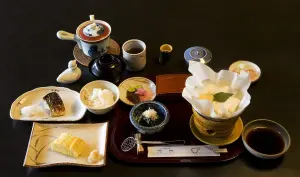
Tsukemono are commonly served in small amounts with rice and soup, included in set meals, placed in rice balls, or used to punctuate richer foods. Color, crunch, sourness, and aroma matter alongside preservation. Pickles may also be offered with tea or appear in celebratory and regional meals.
Their supporting role does not make them nutritionally neutral. Salt content varies widely, and sweeteners or other seasonings may be added. A cultural description should avoid converting one serving pattern into medical advice or treating a fermented label as evidence of live microorganisms in every packaged product.
Contemporary production and safety
Current manufacturers combine regional branding with standardized sanitation, controlled cultures, refrigeration, pasteurization, modified packaging, and reduced-salt formulations. These changes can alter flavor and microbial activity while making products more consistent and transportable.
Pickling is not a universal method for making vegetables safe. Recipes designed for immediate refrigeration differ from shelf-stable fermentation or canning, and visible spoilage is not the only hazard. Historical information and commercial descriptions should not be treated as complete home-preservation instructions.
Sources
- Ministry of Agriculture, Forestry and Fisheries, Pickled Foods in Traditional Foods in Japan.
- Miyao, Japanese Pickling Vegetables ‘Tsukemono’.
- Sakai et al., Changes in Microbial Community Composition during Production of Takanazuke.
- Shinagawa, Nishiyama and Okada, The Role of Lactic Acid Bacteria in the Ripening of Shibazuke.
Last updated: