
Aesthetic Concepts
Wabi-sabi
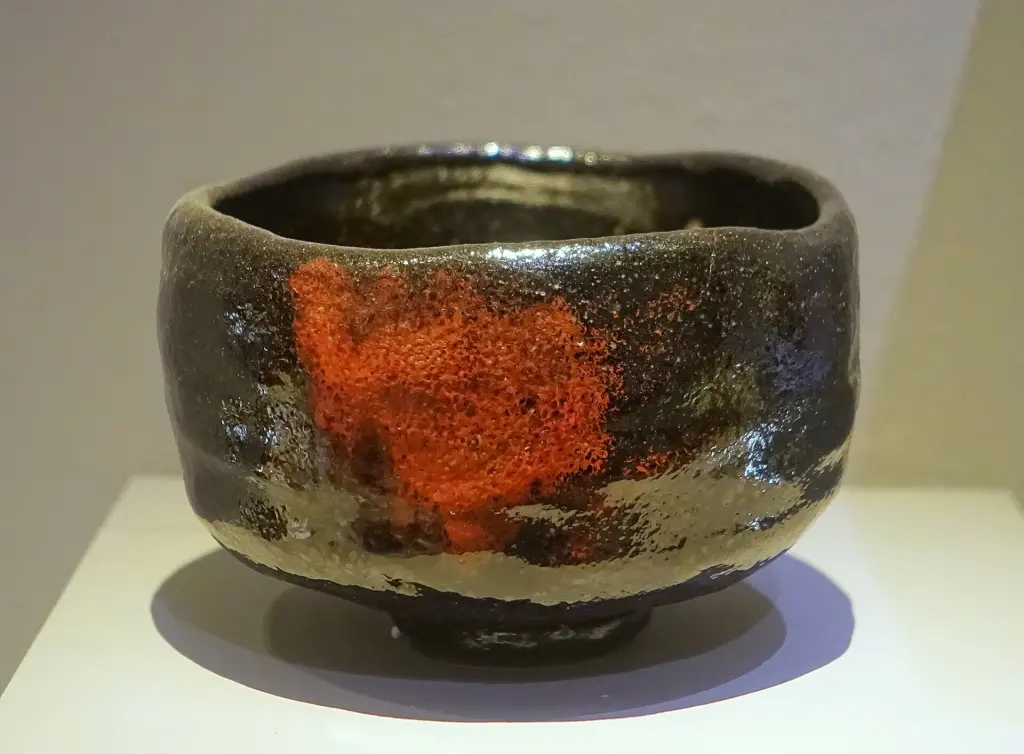
Image: Unknown potter; photograph by Daderot / Wikimedia Commons; Montreal Museum of Fine Arts · Creative Commons CC0 1.0 Universal
Wabi-sabi is a modern compound referring to aesthetic values associated with simplicity, restraint, irregularity, weathering, and impermanence. Its components have different histories. Wabi moved from meanings of distress or lonely circumstances toward a cultivated appreciation of humble, apparently artless settings, especially in Japanese tea ceremony. Sabi developed around loneliness, age, desolation, and the patina or subdued quality acquired over time, notably in poetry, tea utensils, and gardens. The pairing is now widely used in design and lifestyle discourse, often as “the beauty of imperfection.” That shorthand is incomplete: historical wabi and sabi involved disciplined taste, literary associations, material knowledge, and social performance, not an automatic celebration of anything damaged, unfinished, or plain.
Overview
| Japanese | 侘び寂び |
|---|---|
| Components | Wabi (侘び) and sabi (寂び) |
| Historical settings | Poetry, chanoyu, ceramics, gardens, architecture, and haiku |
| Key associations | Austerity, humility, age, patina, transience, and restraint |
| Major tea figures | Murata Jukō, Takeno Jōō, and Sen no Rikyū |
| Common misconception | It does not mean that every flaw or broken object is beautiful |
Name and compound
Wabi and sabi can overlap, but historical sources do not treat them as interchangeable words. The hyphenated English form makes the pair appear like a single ancient doctrine. In practice, the compound became especially prominent in modern interpretation, while earlier writers and practitioners often discussed wabi or sabi separately within poetry, tea, gardens, or connoisseurship.
The history of wabi
Wabi derives from words associated with languishing, loneliness, and difficult circumstances. Medieval poetry could give such withdrawal a positive aesthetic charge. In tea culture, wabi came to value modest spaces and utensils whose apparent plainness was selected and arranged with care. This cultivated poverty was a discipline of perception and conduct, not simply material deprivation.
The history of sabi
Matsuo Bashō helped deepen the literary resonance of sabi in haikai, though his changing poetics cannot be reduced to the modern compound “wabi-sabi” or to a single aesthetic rule.
Sabi is connected with waning, loneliness, and an aged or rusted quality. In poetic criticism it could describe a chilled, desolate mood; in gardens and objects it could refer to surfaces altered by time. Matsuo Bashō and later haiku discourse made sabi important to literary aesthetics, although its precise meaning changed across authors and periods.
Chanoyu and Rikyū
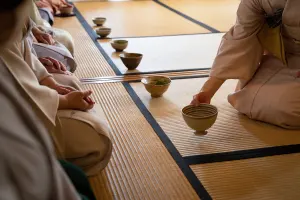
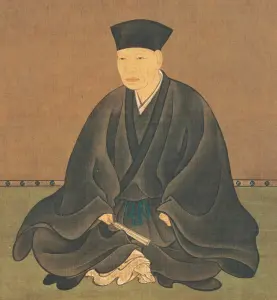
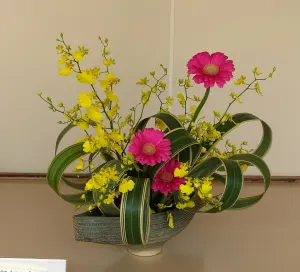
Wabi tea developed through figures including Murata Jukō, Takeno Jōō, and Sen no Rikyū. Small thatched tea rooms, bamboo utensils, Korean and Japanese ceramics, and restrained flower arrangements could redirect attention from conspicuous luxury toward encounter, material presence, and trained hospitality. Such choices still operated within sophisticated networks of patronage and connoisseurship.
Materials and time
A worn surface, uneven glaze, repaired vessel, or weathered stone may disclose how an object was made and used. Kintsugi is frequently presented as wabi-sabi, but the two are not synonyms: kintsugi is a family of lacquer-repair techniques, while wabi and sabi are interpretive values that can be applied in several arts.
Buddhism and interpretation
Wabi-sabi is often linked to Zen, impermanence, and nonattachment. Zen institutions and ideas did influence medieval arts and tea culture, but no single Buddhist teaching mechanically produced the aesthetic. Court poetry, recluse literature, merchant patronage, imported objects, craft practice, and changing tea institutions were also essential.
Modern global usage
Outside Japan, wabi-sabi has become a label for rustic interiors, minimal branding, handmade irregularity, and psychological acceptance. These uses can be creative, yet they often detach the term from tea, poetry, and historical objects. Careful usage identifies the relevant medium and avoids using wabi-sabi as a vague synonym for Japanese minimalism.
Sources
Last updated:

,_Japan,_Edo_period,_18th-19th_century,_earthenware,_black_glaze_(raku)_-_Montreal_Museum_of_Fine_Arts_-_Montreal,_Canada_-_DSC09533.jpg)